


The restaurant industry is gearing up for an exciting year of innovation, but not all trends are dominating the headlines. Beyond the usual predictions about new technology, sustainability initiatives, and hot ingredients lie shifts that could change the way restaurants operate. FSR spoke with industry leaders, from chefs and restaurateurs to tech and philanthropic innovators, to uncover eight trends few seem to be talking about.
The Rise of Sober Bars
Though a sober bar may appear counterintuitive to some at first glance, the growing demand for alcohol-free spaces is emerging as one of the most exciting trends for 2025. According to Alfred Ashish, multi-concept restaurateur and host of Jon Taffer’s “Bar Rescue,” the rise of sober bars is directly tied to the wellness movement, and is largely driven by younger generations, particularly Millennials and Gen Z.
“One trend I see growing in a big way is sober bars and alcohol-free establishments. With the growing demand for wellness and mindfulness, more people are seeking out spaces that offer quality drinks without alcohol,” he says. “This market is still fairly underserved, and the margins can be just as lucrative as traditional bars, if not more so. The fact that there aren’t many of these places means there’s a significant first-mover advantage for businesses willing to jump in. In a world where people are increasingly aware of their health and making more mindful decisions, alcohol-free spaces offer a unique and attractive alternative. I’m excited to see how this trend expands and evolves in the coming years.”
RELATED: Ashish Alfred’s Ascent is a Lesson in Overcoming Adversity
No More “Growth At All Costs”
The era of “growth at all costs” is over, according to Thanx CEO Zach Goldstein. “Rising costs and higher interest rates are forcing restaurants to focus on sustainable unit economics and corporate-level profitability,” he explains. “Careful operational improvements—like labor optimization, menu engineering, and cost control—will replace debt-fueled expansion as the key to growth.”
This shift reflects a broader industry recalibration. Slowing down growth allows brands to focus on refining their operations, building a loyal customer base, and ensuring their existing locations thrive. It’s also a response to evolving consumer expectations—guests are prioritizing quality over quantity, and restaurants that emphasize exceptional service, innovative menus, and authentic connections with their communities are better positioned to succeed. By taking a step back from rapid expansion, operators can lay a stronger foundation for sustained, strategic growth in the future.
Say Goodbye to Service Fees?
One trend Alfred hopes the industry moves away from in 2025 is the practice of tacking service fees onto the bill. “I understand that some establishments may need this to cover costs, but it feels like a sneaky addition to the bill that customers don’t always appreciate,” he says. “It would be better to just build those service charges directly into the prices of menu items. This way, customers can see the full cost upfront, and there’s less confusion or frustration at the end of the meal. I’ve noticed that more and more people are pushing back on this practice, and it’s important for the hospitality industry to be transparent and fair with pricing. Shifting this practice could really improve the overall dining experience.”
Localized Impact Initiatives
We’re in the season of giving, and since its inception, GiftAMeal has partnered with over 1,000 restaurants and more than 130 food banks across 38 states, facilitating 2.2 million meals for those in need. Founder Andrew Glantz believes the coming year will see restaurants deepen their connection to local communities.
“In 2025, more restaurants will embrace hyper-local impact strategies to connect meaningfully with their communities,” says Glantz. “As consumer demand for social responsibility grows, aligning brand values with local causes will become critical to business success.”
RELATED: Best Practices for Community Engagement to Boost Loyalty
Authenticity Over Aesthetics
As diners grow weary of superficial trends, 2025 will see a return to authenticity in both food and operations, according to Kate Howell, third vice president of Les Dames d’Escoffier International, a philanthropic organization of women leaders in the food, beverage and hospitality industries.
“The year 2025 will be defined by a return to authenticity, community, and sustainability in the restaurant industry,” Howell predicts. “From rejecting ultra-processed foods to embracing the joys of local markets and celebrating humble ingredients like beans, the future of dining promises a deeper connection to our food and the people who produce it. Restaurants that lean into these trends will not only meet consumer demand but also play a pivotal role in shaping a more sustainable and connected food culture.”
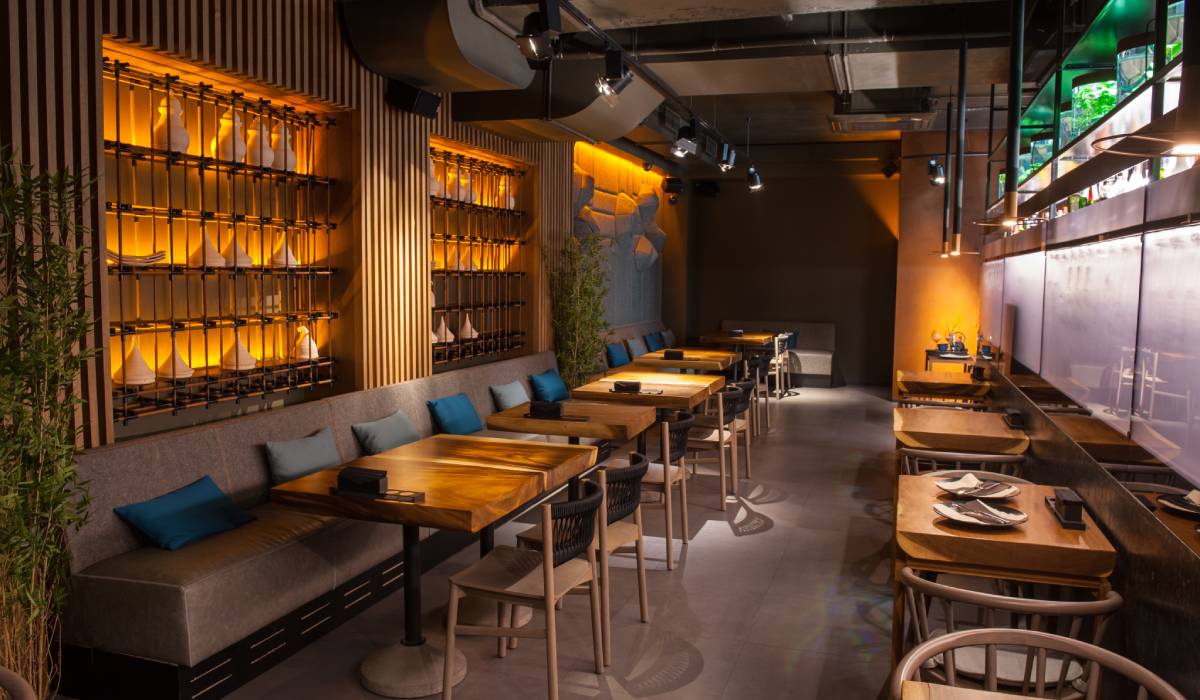
Chef Avner Levi of Cento Pasta Bar in Los Angeles adds one trend he’s love to get rid of is repetitive restaurant design. “I’m seeing a lot of vaguely Mediterranean concepts with white wash walls that lack distinction.” To buck this, restaurateurs should embrace bold, distinctive design choices that reflect the unique personality of their concepts and stand out in an increasingly competitive market.
An example of a NextGen Casual concept that’s crafting the future of local-inspired design is North Italia, which designs each restaurant to look and feel authentic and specific to the neighborhood it serves. The Charlotte, North Carolina, location includes a mural from a local artist of the rail yard, which is what the restaurant is build on top of. “We have those touch points all across the country, where we have local muralists come in and put design and artwork touches that make it feel like the restaurant isn’t just another chain, but it’s actually a part of the neighborhood,” DJ Duporte, marketing director at North Italia, previously told FSR.

The Rise of Indian Cuisine
Alfred is predicting that Indian food will move beyond its traditional lane and into the mainstream in the coming years. “I see a huge opportunity for Indian cuisine to make a bigger impact in the culinary world. Indian food is not just going to stay in its traditional lane—it’s going to be more integrated into fusion dishes or come into its own as a mainstream option,” he says.
“As people from my generation, especially those who are Indian, move into the culinary and hospitality industries, there’s a real excitement to showcase the depth and diversity of those flavors,” Alfred continues. “It’s all about breaking down any stigma and showing how versatile and vibrant Indian food can be in a broader, more global context. Whether it’s through modern interpretations of classic dishes or new combinations that cross cultural boundaries, Indian cuisine is definitely on the rise.”
RELATED: Why Indian Cuisine is Poised for Takeoff
As FSR previously reported, the grocery store sector is validating that theory, according to Basu Ratnam, a first-generation Indian-American taking New York City by storm with his fast-casual INDAY concept and full-service INDAY All Day restaurant.
“I think Indian food is going through an exciting time where you have incredible operators who are focused on not just Indian-American food but also taking it back to underrepresented, authentic parts of the cuisine and presenting it with a lot of pride,” Ratnam told FSR. “We’re creating an infrastructure of Indian restaurants, and this didn’t exist before.”
The Global Influence of UK Gastropubs
The UK restaurant scene is quietly influencing the culinary world, particularly with its evolution of gastropubs. Levi sees this as a trend worth watching in 2025.
“All the restaurants I follow on IG right now are from the UK,” Levi admits. “So many chefs from Michelin-starred kitchens have started opening up incredibly creative gastropubs with solid food and great ambiance—which is not what you think of when you think of a gastro pub in the U.S. The restaurant scene in the UK is dominating right now.”
Levi trained under renowned chefs like Steve Samson and Ori Menashe. After helping open Bestia, he launched Cento Pasta Bar as a pop-up, quickly gaining a cult following. Cento’s permanent location in West Adams has transformed the neighborhood’s food scene with innovative dishes. Avner now plans to open four new concepts, including Raw Bar, featuring Mediterranean seafood in a design-driven atmosphere.
Guest Data Drives Competitive Advantage
This isn’t necessarily a new trend, but one that is becoming increasingly necessary for restaurant brands to stay in the game and elevate their service: The brands that thrive in the years to come will use guest data to deliver personalized experiences and make smarter business decisions, Goldstein predicts.
“This goes beyond marketing—from menu optimization to real estate strategy, data will separate winners from losers in an increasingly competitive landscape,” he says. “We’re seeing early signs of brands successfully balancing third-party reach while building profitable direct ordering channels, recognizing that marketplace dependency limits margins and guest relationships.”
Glantz adds, “advancements in AI and automation will further streamline ordering, payment, and customer service. Personalized meal suggestions based on data insights will become more common, enhancing convenience and customer engagement.”
RELATED:
A New Way of Thinking About 2025 Menu Trends
5 Major Trends Defining the Restaurant Industry in 2024
By staying ahead of the curve and embracing innovation, operators can deliver fresh, authentic, and profitable dining experiences that resonate with modern consumers.


