


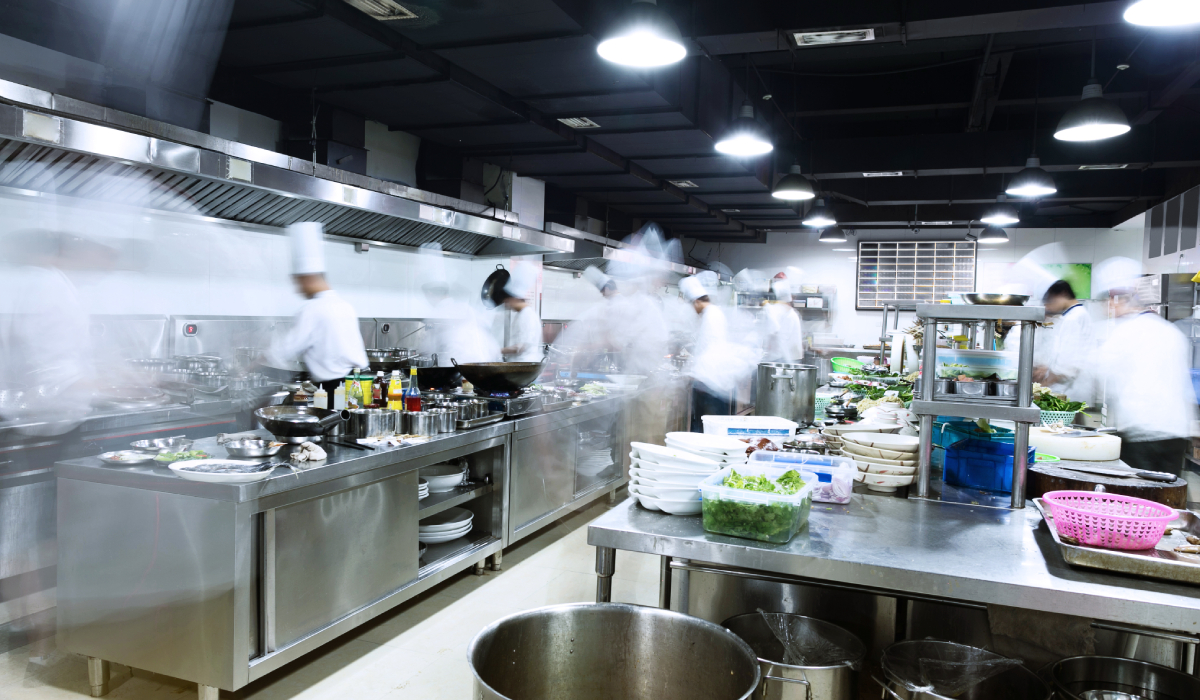
The massive amounts of discarded consumable products worldwide represent sustainability, financial and operational issues that many food business representatives are eager to solve. More restaurant owners are turning to smart refrigeration products to reduce food waste. Explore the benefits smart fridges bring to the industry.
Improving Overall Visibility
Restaurants are busy places, and buying the correct quantities of perishable foods or ingredients can be challenging. Diners’ tastes change, and specific menu items may not entice them as much as the head chef hoped when developing those offerings. These realities contribute to food waste, particularly when there is no way to use up all the products in time.
However, many smart fridges have data-tracking features that help workers monitor how fast they use refrigerated items and whether some have remained untouched longer than usual. That information can help people respond before the food expires. For example, a chef may offer a short-term special to use up ingredients rather than wasting them.
Smart fridges can also work with technologies that warn people about malfunctions that could cause food to spoil. The restaurant clients of one such company offering those innovations report that they reduce that waste by 4.1 percent per location per month, saving them approximately $500. The tech vendor’s solution has a cascading alert system, gradually alerting more responsible parties until someone investigates the issue.
Other smart fridges have remote monitoring capabilities that allow people to see minor changes—such as unusual temperature variations—in real time. Then, they could realize a potential problem that needs further attention. Their proactiveness could prevent a refrigerator failure that would have otherwise caused substantial food waste and business disruptions.
Expanding Restaurants’ Capabilities
Restaurant properties may not have adequate refrigeration space, exacerbating food waste problems. A possibility is to look for well-placed warehouses or similar facilities where clients can lease space as needed. One example is a New Jersey location currently under construction. Third parties can lease 200,000 square feet of ambient or cooler space there.
Similarly, restaurant owners can rent smart fridges rather than immediately buying them. That choice allows them to determine if additional refrigerators would help them reduce food waste as much as they envision.
Restaurant decision-makers unfamiliar with smart refrigerators and their features can get acquainted with them while renting the equipment. Then, they can see how those capabilities could support their operations rather than purchasing the equipment first and hoping that choice will pay off in the long run.
The ability to scale up operations with additional fridges can present new business opportunities, too. Imagine if an establishment installs a grab-and-go cooler near the restaurant’s entrance. Whether someone wants to grab a quick bite during their lunch break or buy something after a sit-down meal to enjoy the following day, they can easily access that fridge’s contents.
Additionally, restaurant staff may be able to see the remaining quantities of particular offerings, showing them how well they sell. Such details reduce waste by indicating which products are most likely to sell before they go out of date.
Some restaurants have even expanded their reach through chilled vending machines. Subway brought its first such offering to a college campus in 2022. These smart fridges have voice-recognition capabilities, allowing hungry passersby to ask questions about the contents. The appliances also have weight-recognition capabilities, telling Subway locations how many sandwiches to make to replenish the stock. That oversight prevents waste.
Making the Restaurant Industry More Resilient
These examples highlight how smart refrigeration products can prevent food waste and bring other meaningful benefits to restaurant industry employees. Now is an excellent time to learn about the different brands and models and see how these appliances might fit into the budget.
Ellie Gabel is a freelance writer who also works as the associate editor for Revolutionized.com. She loves keeping up with the latest innovations and advancements in science, tech and sustainability. When she’s not hard at work, you can find her playing video games and spending time with her husband and their cat.


