

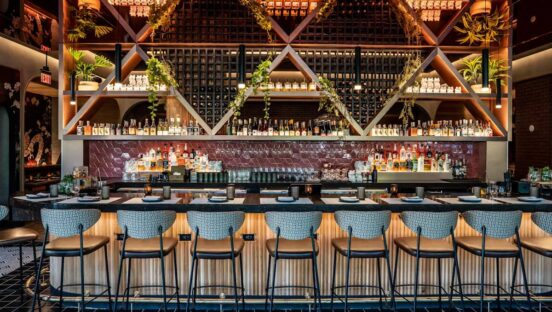

Planta, a casual-dining vegan chain, filed for bankruptcy on Monday, with plans to sell itself and restructure its balance sheet.
The concept operates nearly 20 units across Florida, Georgia, California, New York, Illinois, Washington, D.C., Maryland, and Toronto.
Issues began during COVID, according to court documents. Due to shutdowns and social distancing, traffic and revenues suffered “irrecoverable damage.”
Just months before the pandemic hit, the company secured funding to fuel expansion. But when COVID brought the restaurant industry to a standstill, construction stalled, supply chains broke down, and hiring became nearly impossible. With signed leases already in place and no way to open new locations, the business was left in a bind—facing mounting costs without the growth to support them. The delays forced the company into a cycle of inefficiency and left it reliant on quick capital to bridge the gap.
The pain points didn’t stop with the pandemic. In late 2023 and early 2024, inflation took hold, causing fewer guests to visit restaurants. Planta also felt pressure from higher wage costs and commodity prices. To mitigate these pressures, the brand increased prices, which had a further negative effect on traffic. To manage the short-term financial strain, the company entered into a convertible note agreement due for repayment by March 31. The note provided much-needed liquidity.
Cash flow has “steadily improved” but the company is still recovering from its rapid construction of 12 restaurants in three years and the difficult macroeconomic environment. In Q3 2024, Planta started discussions around closing stores and exiting underperforming leases. While it negotiated with landlords, it also looked at fundraising for additional capital.
As the maturity date of the convertible note approached, the company began looking for alternative sources of financing. Between September 2024 and April, Planta engaged in multiple negotiations to secure capital, but was unable to meet its financial obligations. The board was presented with various options and terms, but none were agreeable. By January, the company fell behind on payments to its landlords, a situation worsened by the typical drop in restaurant traffic during that time of year.
Despite efforts to stabilize cash flow, intense financial challenges prevented Planta from continuing operations while meeting existing obligations. As a result, restructuring became essential. In late April, the company hired legal counsel, and on May 6, the board decided to file for Chapter 11 bankruptcy protection.
The company is in talks with a potential debtor-in-possession lender and is hoping to obtain financing to fund a sale of most of its assets.
Founded in 2016, Planta is known for its seasonal, plant-based foods and vegan renditions of sushi, burgers, ceviche, dumplings, and noodles.
The chain grew sales from $3.5 million in its first year to more than $46 million in 2024.


