

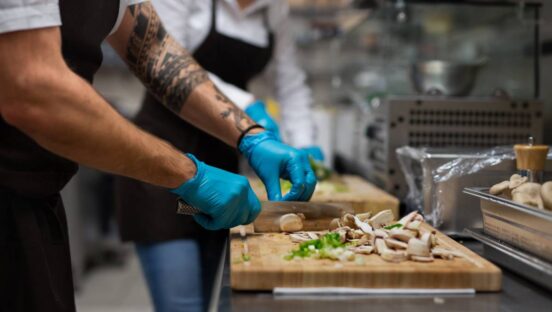

With increased focus on health in the food industry, every detail matters more than ever—from the quality of ingredients to the tools used in food preparation. That’s why wooden kitchen tools are becoming a top choice. They add a touch of natural beauty and are safer, healthier, and a significant upgrade from plastic boards, which can introduce harmful chemicals and microplastics into meals.
Ready to exceed your customers’ expectations and make a lasting impression on the dining scene? Here’s why switching to wooden tools could be the smartest move for your restaurant this year.
Why It’s Time to Ditch Plastic Cutting Boards and Utensils for Good
Plastic cutting boards and utensils can seem convenient, but their hidden risks outweigh the benefits. When exposed to heat, plastics can release microplastics, tiny, invisible particles that can end up in food. Studies show these microplastics aren’t just bad for the planet; they’re also raising red flags for human health, potentially disrupting hormones and increasing the risk of stroke and heart attacks.
Plastic kitchen tools can also leach harmful chemicals like BPA when they come into contact with hot food or liquids. These chemicals have been linked to serious health concerns, including developmental issues and hormonal imbalances. Beyond these health risks, plastic utensils and tools also come with a hidden cost: while they’re cheaper upfront, they are much less durable and need to be replaced more often.
The Case for Wooden Kitchen Tools
Safe, Natural, and Chemical-Free
Unlike plastic, most wooden cutting boards are naturally free of harmful chemicals and won’t leach unwanted substances into your food. They’re heat-safe and non-reactive, making them ideal for health-conscious kitchens focused on safety and quality.
Naturally Antibacterial
Did you know certain woods, like maple, have natural antibacterial properties? This makes wooden tools safer to use and a smarter choice for keeping your kitchen cleaner. Unlike plastic, which can trap bacteria in scratches and grooves, wooden tools are naturally hygienic and easier to keep clean.
Sustainable and Eco-Friendly
In 2025, sustainability is as crucial as health in winning over customers. Wooden boards are biodegradable, renewable, and eco-friendly, making them an excellent choice for restaurants aiming to reduce their environmental impact. Beyond their functionality, using sustainable tools reflects your restaurant’s commitment to eco-conscious values, which resonates with diners who prioritize supporting green businesses. Plus, investing in high-quality, long-lasting wooden tools saves money in the long run, making sustainability both practical and impactful.
How to Incorporate Wooden Tools
When selecting wooden boards, prioritize high-quality options from durable, food-safe woods like acacia, walnut, teak, or maple. While bamboo is popular for its affordability, it’s actually a grass and not wood, making it less durable, prone to splintering, and warping, and not ideal for long-term use.
Seek brands that emphasize sustainability, ensuring your investment aligns with your values. Look for tools free from harmful substances such as VOCs, BPA, microplastics, PFOA, and phthalates. Avoid varnished or chemically treated woods unless they are explicitly certified as food-safe, as these can introduce unwanted chemicals into your kitchen. By choosing the right wooden tools, you’ll not only enhance the quality of your kitchen items, but also contribute to its sustainability.
Extend the Life of Your Wooden Cutting Board
A little TLC goes a long way to keep wooden tools in top condition. Check out this easy-to-follow wood board cleaning and care guide. Train your kitchen staff to hand wash them, avoid prolonged soaking, and regularly treat them with food-safe oils to prevent cracking and wear. With proper care, these tools can last for years, providing long-term value for your kitchen.
Showcase Wooden Tools and Boards In Your Presentation
Wooden tools, especially cutting boards, aren’t just for the kitchen—they can elevate your food presentation too! Serve appetizers, charcuterie, meats, desserts, or shareable dishes on wooden boards to create a warm, natural aesthetic. This approach complements farm-to-table or sustainable dining concepts, enhancing the overall dining experience and showcasing your commitment to quality and style.
Customers notice every detail, and switching from plastic utensils and cutting boards to wooden tools is a simple yet powerful way to enhance your offerings. Wooden cutting boards aren’t just healthiermore eco-friendly, stylish, and on-trend. By making this change, you demonstrate that your restaurant isn’t just following trends but setting the standard for health-conscious and sustainable dining.
Tiffany Yu and Tarek Alame are co-founders of Sonder Los Angeles, a small kitchenware brand in Los Angeles.


