
In 2025, 42 percent of operators reported their restaurant was not profitable. Heading into 2026, more than 90 percent cited food, labor, insurance, energy and credit card processing (swipe) fees as major challenges, according to the National Restaurant Association’s 2026 State of the Restaurant Industry Report. One lever many restaurant leaders may be overlooking is simplifying their vendor mix, which can help reduce routine friction and keep teams focused on service and execution.
Managing several vendors can lead to inefficiencies that add up over time. “It often shows up as fragmented communication, inconsistent quality and additional administrative work,” said Candice Raynsford, marketing manager at Cintas. “Teams may find themselves tracking multiple deliveries, reconciling several invoices and reacting to issues instead of running the kitchen.” When these factors complicate daily operations, leaders can miss opportunities to connect with customers and employees and deliver on brand promises.
These hidden costs often stem from the constant juggling of multiple vendors, a less obvious but meaningful operational burden restaurant managers can address by consolidating key services. By working with a single trusted provider for essential needs, restaurants can simplify day-to-day operations and help teams stay on top of daily tasks. “With margins tight and labor stretched, operators are trying to do more with fewer resources,” Raynsford says. “Vendor consolidation is a practical way to tackle these complexities.”
Where it makes sense, a single-provider approach can simplify ordering, invoicing and supply coordination. It can create more predictable service schedules and improve product consistency, while giving managers clearer visibility into inventory and fewer administrative tasks tied to vendor management. Raynsford points to garment maintenance and supply restocking as one area where this approach can pay off: “When garment maintenance and supply restocking services are managed through one provider, operators spend less time reacting to issues and more time leading their teams.”
A first step for restaurants considering a move to fewer vendors is evaluating the current vendor landscape and identifying where inefficiencies exist. “Start by listing who you buy from and what they provide,” Raynsford says. “From there, identify pain points such as late deliveries, inconsistent quality, inventory gaps and the amount of time managers spend keeping everything aligned.”
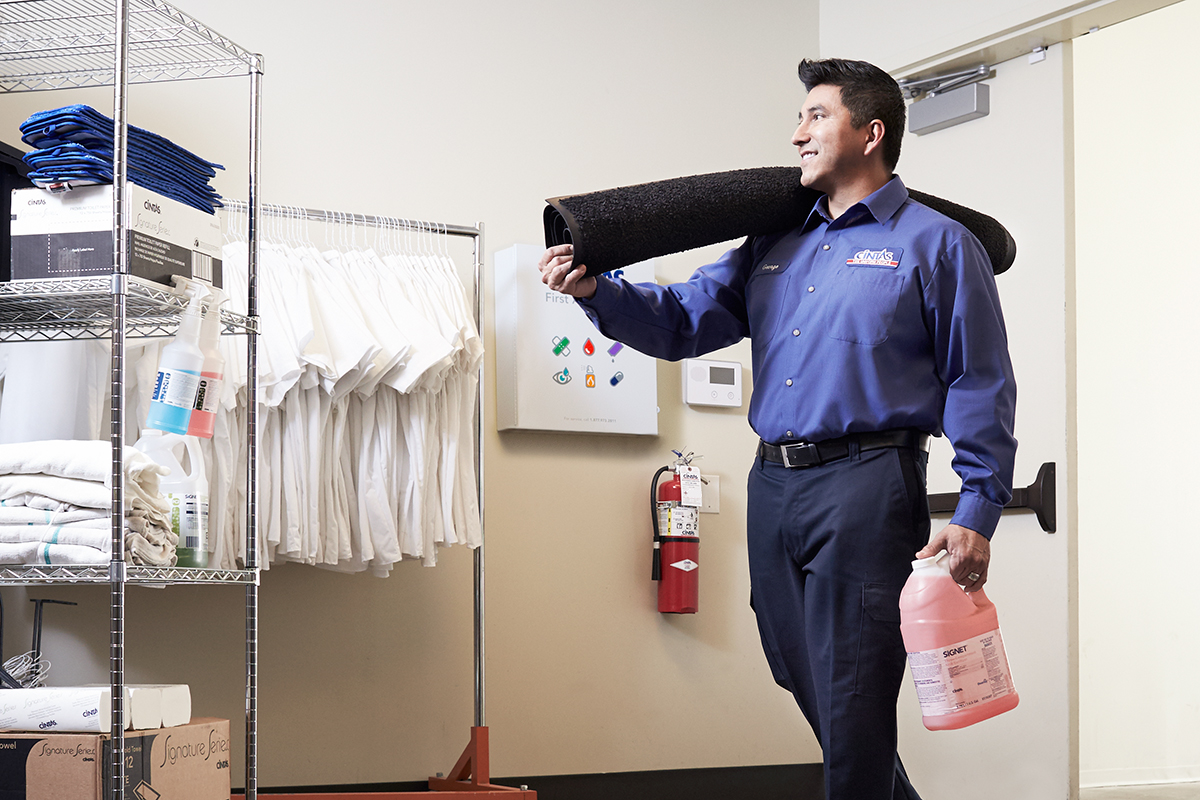
This approach is most effective when it becomes part of standard operations, not a one-time purchasing decision. Cintas structures its managed programs around simplicity, helping restaurants bring several routine needs under a coordinated service model. The company offers Chef Works® uniforms that are laundered and delivered weekly, along with repairs and replacements, and it handles laundering for aprons, towels and mops. Programs also include restocking of cleaning and first aid supplies, helping teams maintain organized kitchens, safer workplaces and stronger compliance practices.
For restaurants looking to cut costs in 2026, Cintas aims to help teams improve profitability through simplified vendor relationships that support a more efficient and scalable operation. “When programs and expectations are clearly defined, the right provider can help reduce variability, simplify day-to-day management and create lasting operational improvements as teams, locations or needs change,” Raynsford says. “When Cintas customers streamline their vendor relationships, our team is able to help restaurant brands regain time and focus.”
Uncover how Cintas can simplify operations here.