
Red sauce is one of the few ingredients that plays well across the entire restaurant: appetizers, sandwiches, center-of-plate entrées, late-night snacks, and off-premise add ons. It’s familiar, flexible, and gives operators a dependable base that stays consistent without reinventing the wheel every time they want to refresh a menu.
“Red sauce is universally loved by customers,” says Colt Reichart, senior director of marketing and consumer relations for Red Gold. “It is also the number one sauce served by foodservice operators.”
Menuing of red sauce increased from 63 percent of foodservice menus in July 2022 to 74 percent in August 2025, per Datassential. Datassential also reports 45 percent of consumers eat red sauce at least once per week. Millennials lead at 54 percent, with Gen Z and Gen X both at 44 percent.
This cross-generational demand and consistent operational trust matters in full-service restaurants that are consistently competing for repeat visits.
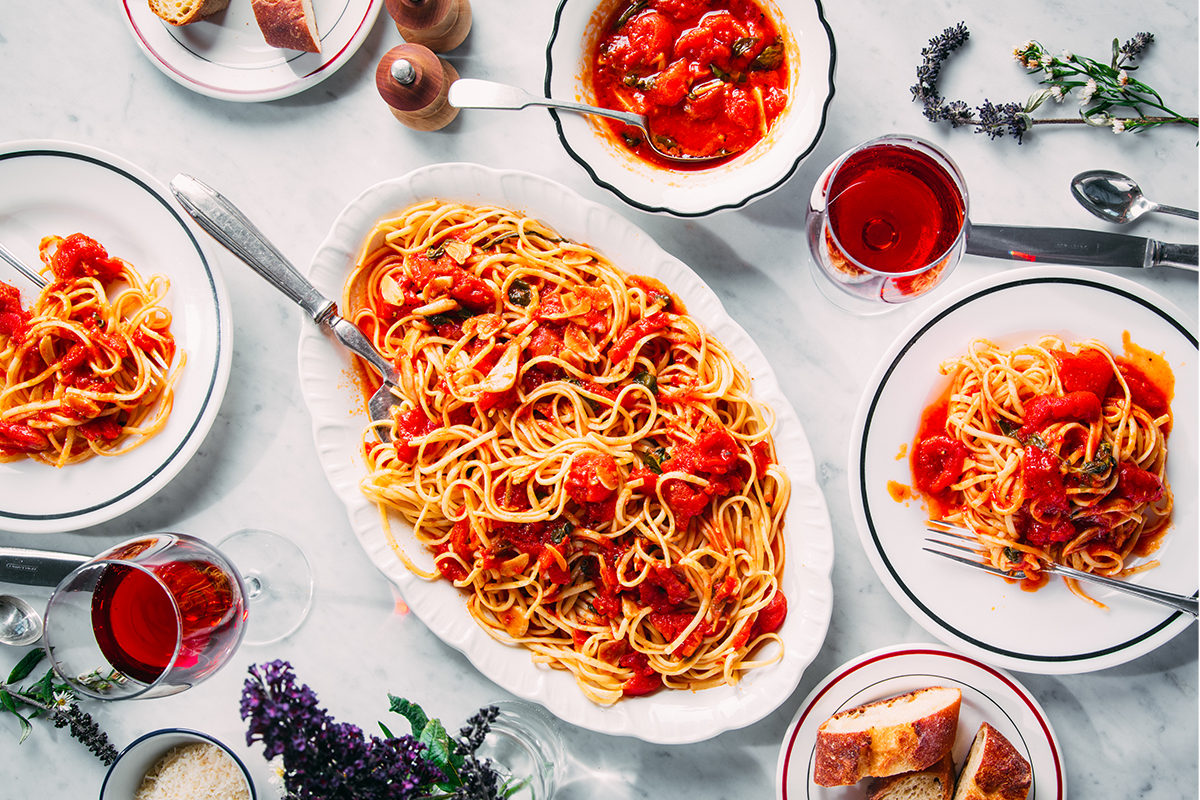
Operators do not need five different sauces to create range. All a successful operation needs is a single trusted sauce. Red sauce can live on appetizer boards, sandwich builds, pizza programs, pasta, and bar snacks without creating another prep project.
“That is the beauty of our red sauces,” Reichart says. “Fewer items can be valuable enough to utilize across an entire portfolio.”
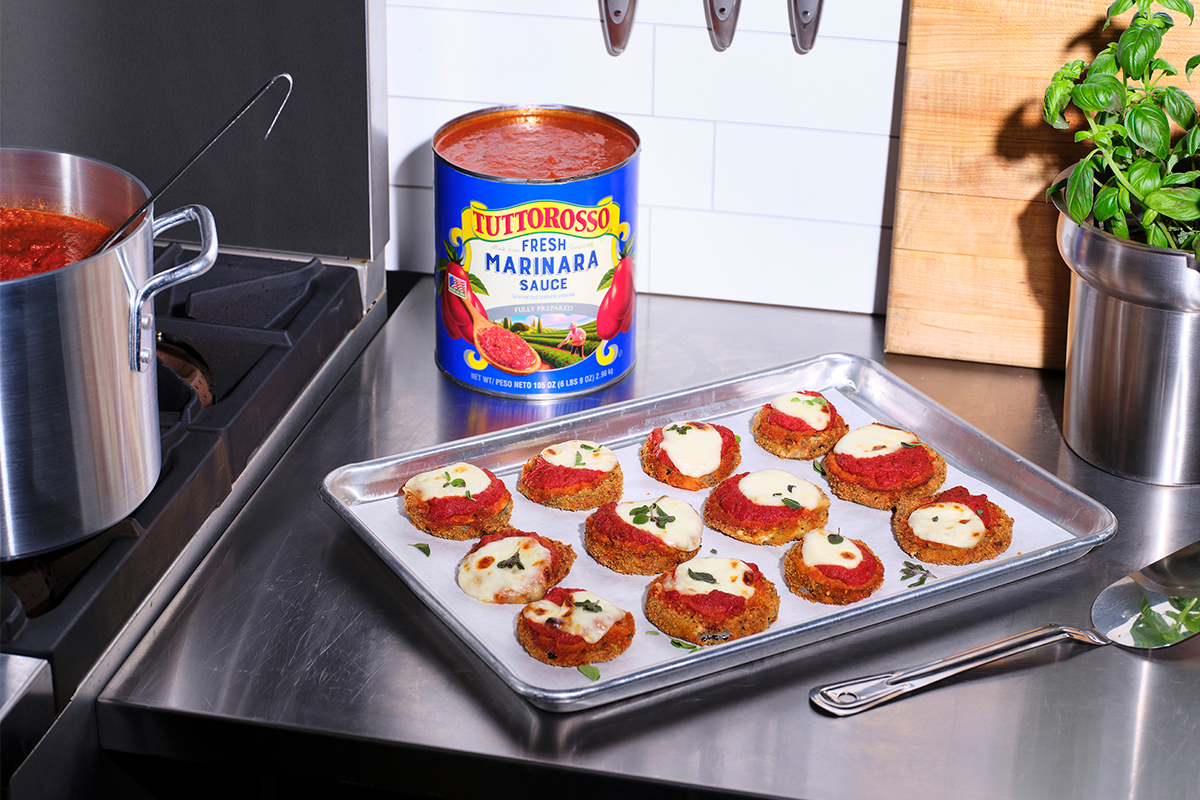
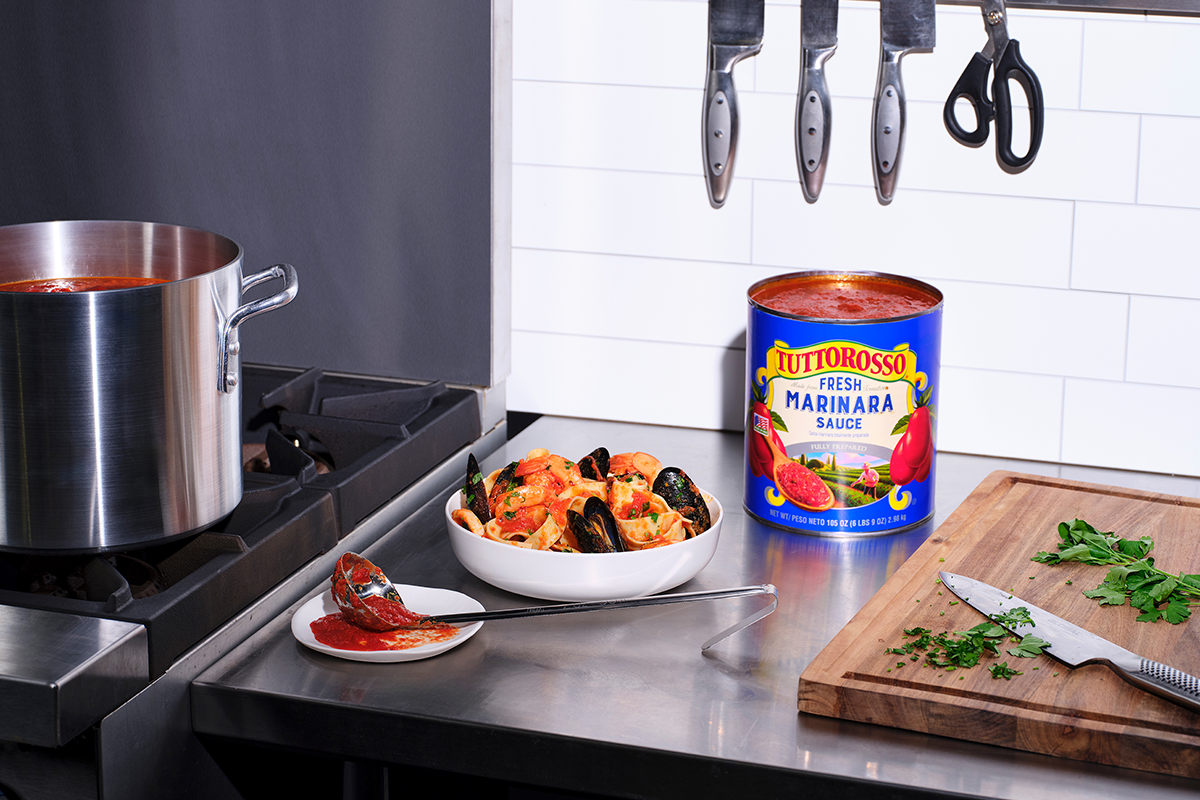
Red Gold Fully-Prepared Marinara is built for that cross utilization, delivering consistent flavor straight from the can while allowing operators to add one ingredient and shift the profile without rebuilding the recipe.
Datassential found 58 percent of operators use prepared red sauces straight from the can, and 17 percent customize them to make the sauce unique to their menu. That is the sweet spot: keep the base consistent, then adjust fast.
Flexibility matters in a streamlined kitchen. Operators want this kind of control, but they do not want to rebuild from scratch. One base marinara can shift into a spicy build with crushed red pepper, a richer pasta finish with brown butter, or a sandwich-ready sauce with added garlic and herbs without retraining staff or rewriting prep manuals.
Red sauce pulls double duty by helping the menu and the back of house. Fewer ingredients mean fewer purchase points, fewer partial containers, less packaging waste, and less time spent on prep.
Shelf life strengthens that control. “Our Red Gold Full-Prepared Marinara shelf life is almost 3 years,” Reichart says. “And that is just Best Buy.” For operators balancing variable traffic, long shelf life reduces spoilage risk, minimizes emergency reorders, and prevents overproduction from large scratch batches that may not sell through.
A consistent base limits waste in the back of house while protecting portion control on the line. Instead of rebuilding sauce daily, operators standardize the foundation and redirect labor toward higher-value tasks. Margins are shaped by these small operational gains, so fewer ingredients and longer shelf life translate directly into steadier food cost and tighter inventory discipline.
Because it’s already expected on the menu, red sauce gives operators permission to monetize it in multiple ways. “Appetizers paired with marinara are usually among the most profitable ways to use red sauce,” Reichart says. “The base ingredients are low cost, and customers are willing to pay a premium for those shareable starters.”
According to Datassential, 58 percent of consumers use it as an ingredient, 30 percent as a topping, and 27 percent as a dipping sauce. Guests already expect to layer it, dip into it, and add more of it. That behavior creates built-in pricing flexibility.
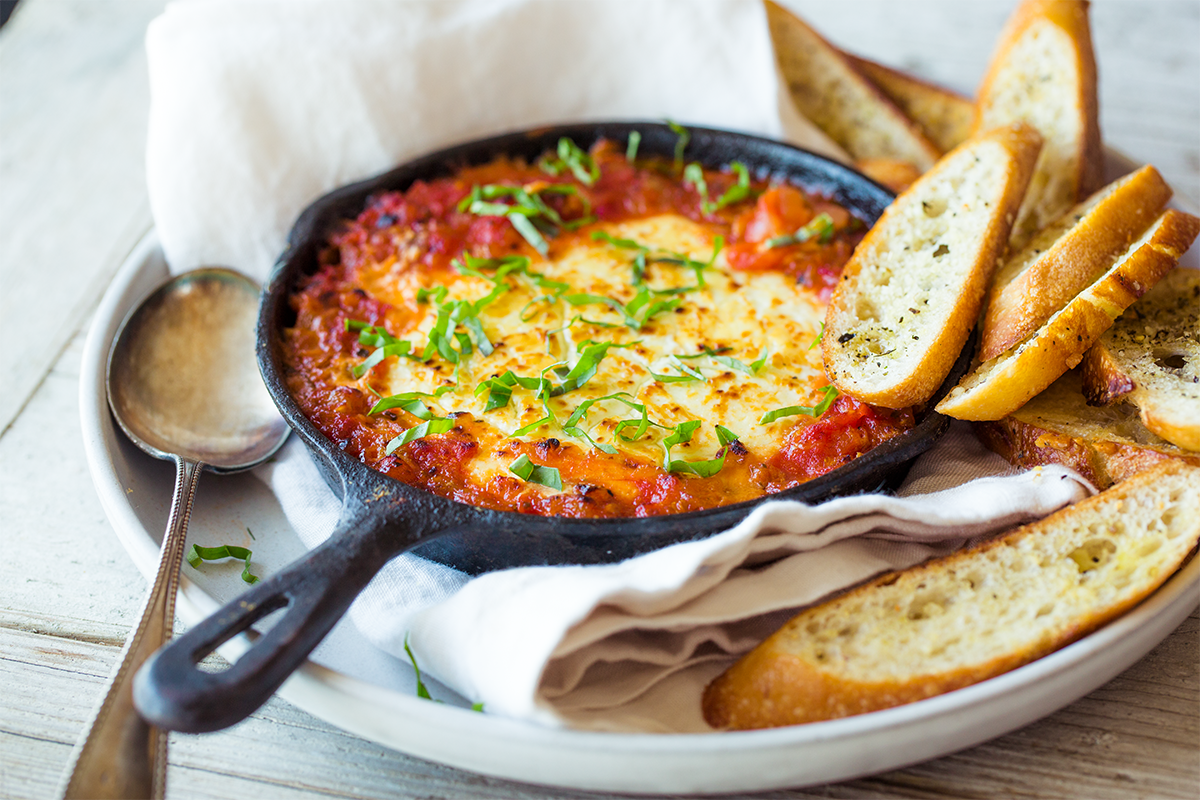
Mozzarella sticks, meatball trios, flatbreads, and other dip-forward starters carry strong perceived value while relying on inexpensive foundations, and add ons extend that margin.
“Add ons and modifiers like extra marinara with pasta, meatballs, pizza, and even sandwiches allow operators to charge extra without significant food cost increases,” Reichart says. Pre-portioned Dunk Cups help protect food cost, reduce waste from overfilling ramekins, and make it easier to monetize that extra side of sauce consistently, shift after shift.
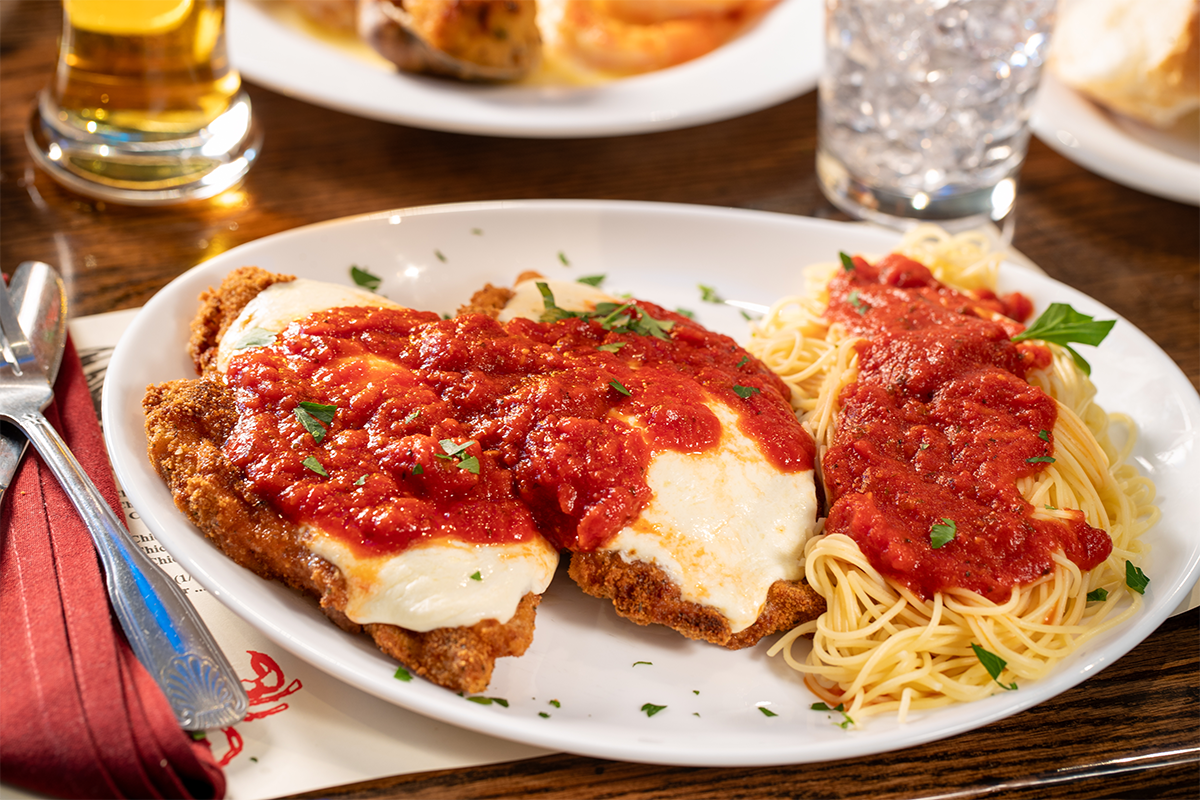
Red sauce is one of the simplest ways to build a center-of-plate item that feels satisfying without stretching food cost. “Pasta-based center plate items are big profitable center plates because of the lower cost of dry pasta and red sauce,” Reichart says. “Add a few ounces of protein and cheese, and you have a really profitable menu item.”
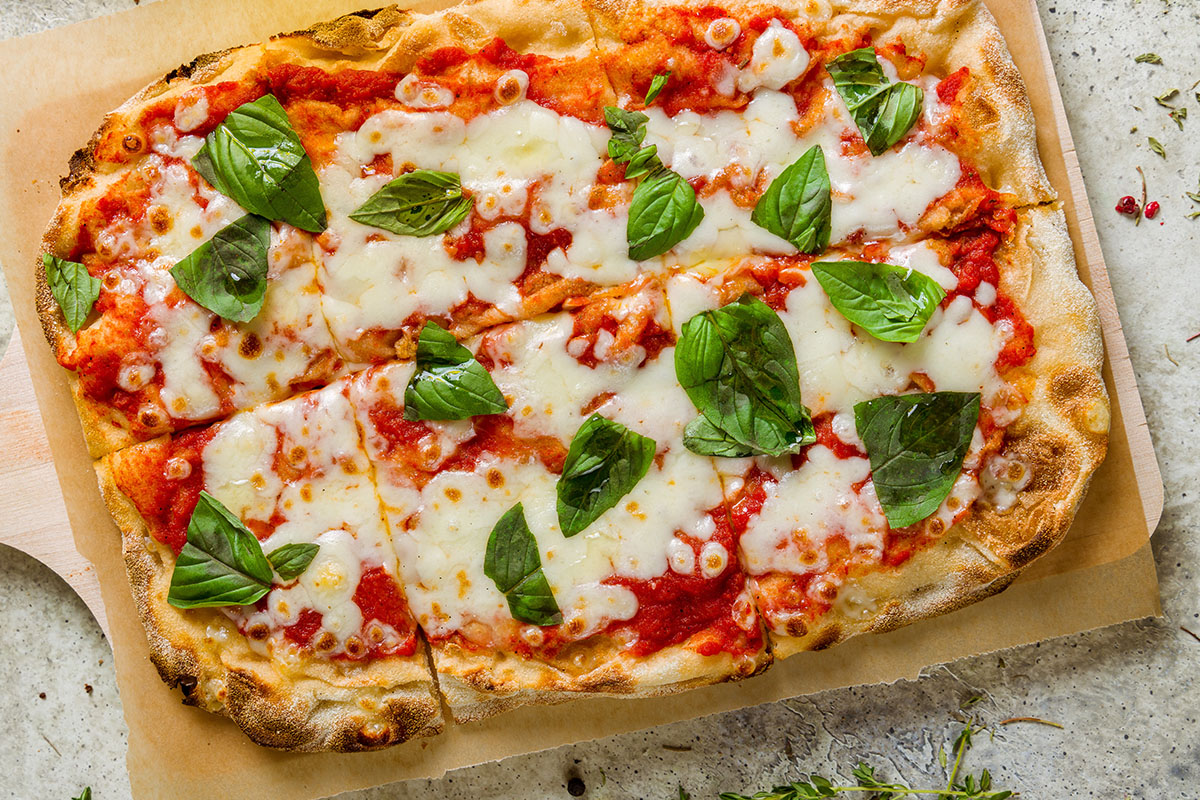
That same logic applies beyond pasta. Even small adjustments can create premium perception. “I’ve seen pizzerias add sauce on top and charge a premium for that,” Reichart says. “And I would pay for that.” A few ounces added intentionally can lift check average without materially shifting cost structure.
When operators introduce an LTO or refresh an existing build, the goal is momentum without guest hesitation. Red sauce reduces that risk because it is already expected. “Having that red sauce is the operator’s kind of safety net,” Reichart says. “It’s so familiar and loved by customers.” Brands have leveraged that familiarity to create new variations— from sauce-forward pizza builds to Italian-inspired sandwiches—without reworking their entire line flow.
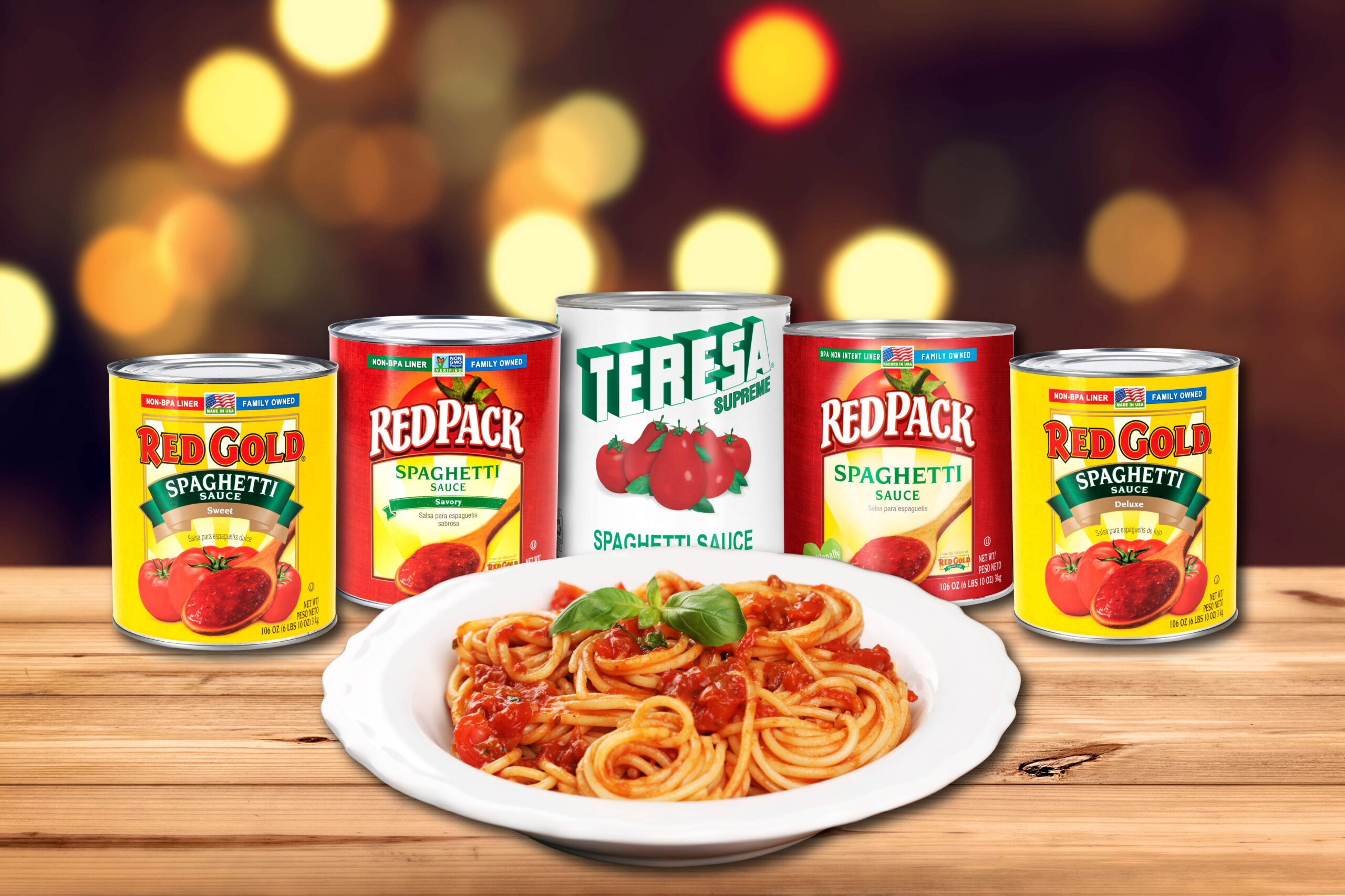
When one ingredient can support execution, profitability, and menu creativity at the same time, it earns its place on the line. Red Gold delivers that foundation across three prepared sauce brands—Red Gold, Redpack, and Tuttorosso—providing operators flexibility based on regional preference and flavor profile.
Available in #10 cans for high-volume, back-of-house execution, flexible pouches for streamlined storage, and 1-ounce Dunk Cups for portion-controlled dips and add ons, Red Gold’s formats are designed to match how full-service kitchens actually operate.
“Operators know that we’re on their side when it comes to availability, quality, and consistency,” Reichart says. “We got their back.”
If red sauce already drives your menu, see what a tighter system can do. Request a free sample by visiting their website.