
Restaurants have always faced tough competition, whether it’s finding the right market or standing out among similar businesses. Today, the main challenge is optimizing digital discovery. In recent years, there has been a noticeable decrease in guests relying on static search results; many have shifted to using visual, interactive, and chat-based platforms to inform their dining decisions. Leading brands are focusing their marketing efforts in areas where guest intent is highest, prioritizing relevance over vanity metrics.
For years, social media has been the main tool for discovery among Gen Z. In recent years, TikTok has surpassed Instagram and Google as this generations’ preferred search engine. According to LT.agency’s 2025 Franchise & Multi-Location Trends Report, 43 percent of Gen Z in the U.S. use TikTok to learn about brands. For these guests, it’s about previewing experiences to help ease the uncertainty of trying something new.
“I think that there’s a little bit of anxiety within that generation that is quelled by getting to see things firsthand,” explains Hannah Tooker, senior vice president of content and organizational transformation at LT.agency. “If I actually get to see where I’m going and what’s going to happen when I get there, I feel better, and I want to go have that experience”.
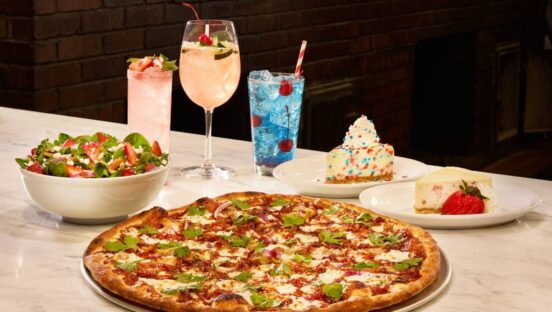
This firsthand look answers practical questions: What’s parking like? How do I order? Is the atmosphere right? For Barro’s Pizza, a family-owned pizza chain with 48 stores nationwide, the balance is to develop a strategy that blends user-generated content that captures real moments, alongside branded storytelling. Consumers have been trained to easily spot genuine content against paid messages. Brands have found more success by partnering with micro-influencers.
“There’s a shift in how people want to interact with them and they actually want that one-to-one relationship,” says Tooker. “It’s parasocial where people are really invested in the influencers’ life and I think the ones that are going to be successful are the ones that can invest back in their audience.” This type of creator already loves the brand—they have shared posts about it in the past without being prompted, so when they do partner with a brand, their audience sees it as symbiotic.
Social media sparks initial interest, and AI is changing how guests narrow their choices. If you’ve been on LinkedIn recently, you may have seen some personalities touting that search engine optimization is dead, but that’s far from the truth. AI-driven search is simply a new arena where visibility relies on best SEO practices. The main change is how people search: guests use longer, detailed prompts in tools like ChatGPT or Perplexity.
These are what Ryan Jacobsen, senior vice president of growth marketing at LT.agency, calls “fan-out queries.” A user may ask: “I’m looking for a place downtown with a dog-friendly patio, good parking, and a menu that accommodates gluten-free diners.” The AI then performs multiple Google or Bing searches, reads 10-20 web pages, and harmonizes its findings into a response that feels conversational.
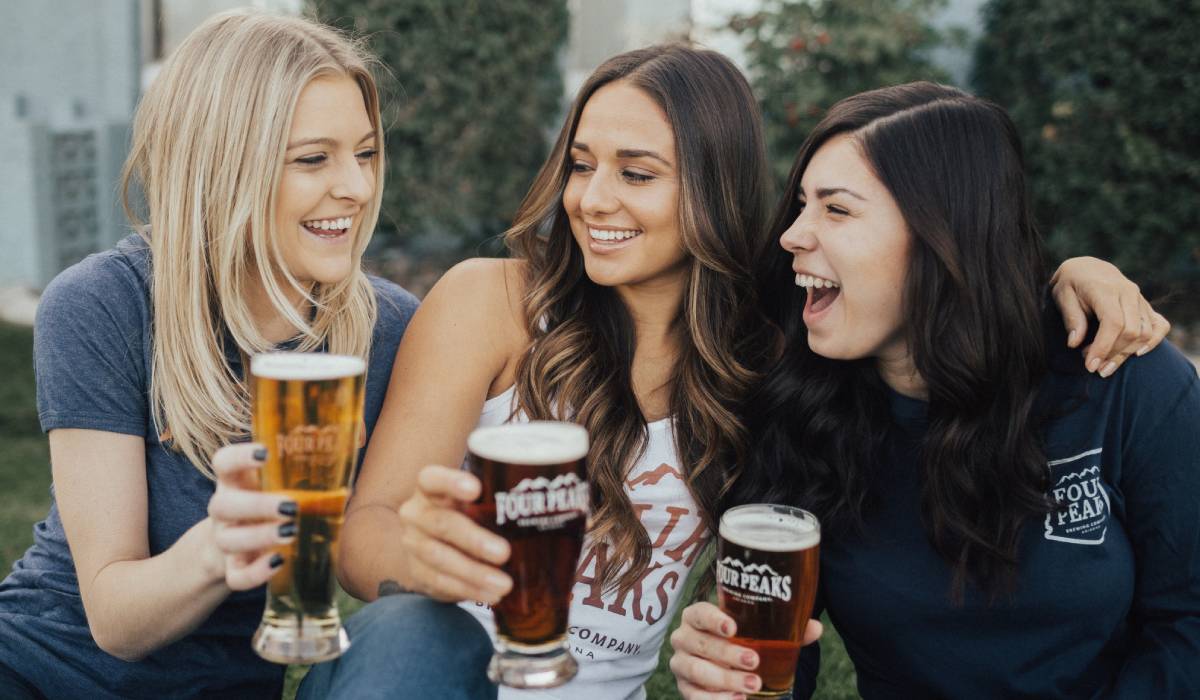
“We treat AI-driven search as the new ‘Front Page of the Internet,'” says Troy Honaker, digital content manager for Four Peaks Brewing, which operates three locations throughout Arizona. “We ensure our business descriptions are optimized for AI, so when a user asks ‘Where is the best place to get a local craft beer in Phoenix?,’ Four Peaks is the definitive answer.”
To show up in these AI-powered results, restaurants need strong SEO basics. AI tools draw on what Google already knows, not on indexing they’ve done themselves. This makes it necessary for a brand’s website to answer key questions clearly. Having updated details for hours, parking, and responses to common guest questions are critical since large language models are populating these answers into their chats when addressing a user’s question.
Despite AI and TikTok growth, Google remains the main information source for older Millennials, Gen X, and Boomers, who trust traditional search and reviews. Successful brands treat Google Business Profiles as living landing pages, updating them regularly rather than leaving them static. Four Peaks Brewing updates its Google Business Profile each month with lifestyle photos of current tap lists and responds to all reviews within 24 hours. “That responsiveness is a key ranking signal for Google,” says Honaker.
The priority is clear information. When someone searches for a brewery in Phoenix, they want to know what’s on tap and opening hours, not just learn the vibe of the store. Keeping this data accurate on Yelp, OpenTable, Google, and a brand’s website requires persistent attention.
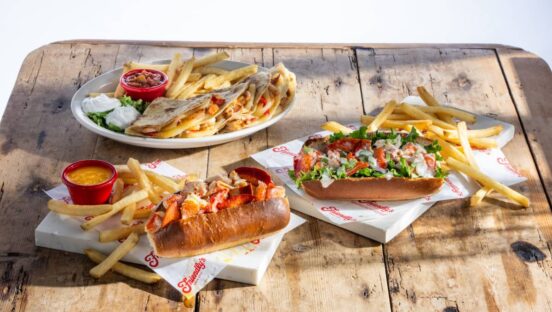
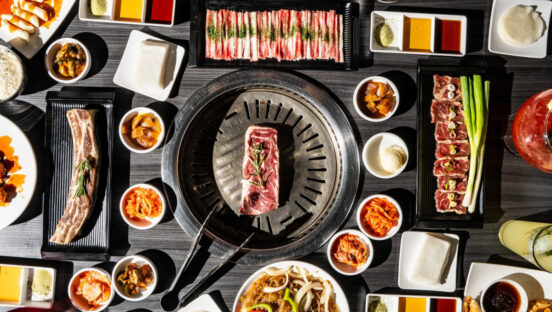
While digital discovery is important, the real test for repeat business relies on the presentation and feeling guests experience during their visit. Culinary legend and restaurateur Stratis Morfogen presses that in the age of viral marketing, restaurants are not simply in the food business; theyalso have the responsibility to provide beautiful moments that guests are compelled to capture.
“We’re in the theater business,” Morfogen says. “When you’re creating that waffle… double stack it with ice cream… drip maple honey and butter on top of it. The customer is going to pull out their phone. And once they pull out their phone, we win.”
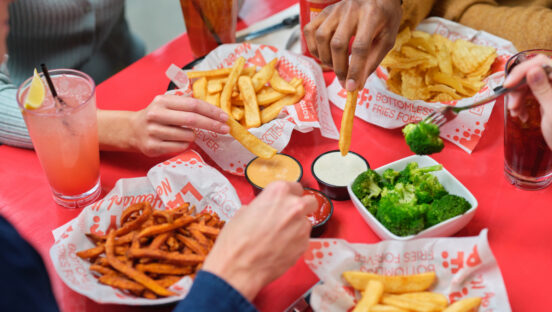
At Diner24, a tech-forward, NYC diner owned and operated by Morfogen, the team has reached 18 million monthly impressions by building moments guests want to share. Nostalgic details like Bluetooth jukeboxes let guests play their own music, while premium ingredients like dry-aged ribeye are served in a classic diner setting. By making every dish and detail ready for social sharing, the guest becomes a natural brand ambassador.
As platforms become more pay-to-play, many marketers feel forced to boost every post. Still, experts agree that organic social is the best testing ground for brand-building. “Organic is the fun, playful testing ground for what we can do,” says Mitchell Sauve, content marketing manager for LT.agency.
For brands like Barro’s, the approach is to let content run organically for a few days to see what connects before investing in ads. For smaller budgets, Jacobsen recommends a strict hierarchy: start with Google Ads as the ultimate “pull channel” to capture high-intent searches (“pizza near me”). Only after that channel is fully used should brands move into push channels like Meta or creator collaborations.
Looking to the rest of this year and beyond, brands risk irrelevance if they ignore prioritizing the performance of their discovery stack. If restaurant marketers don’t maintain accurate digital data and a theatrical physical product, they will slip in search and organic reach.
“Millennials and Gen Z are discovering new places to eat and drink through social channels, not by just walking or driving around,” Honaker says. The brands that excel value the customer experience over price alone, and empower each location to create personalized, authentic content that makes them the obvious local choice.
Winning new guests today isn’t about following every new tech trend. It’s about using modern tools to strengthen brand awareness, followed by creating an unforgettable experience that brings guests back many times over. “We’ve found that when the presentation is visually striking, the guest does the marketing for us,” Honaker says.