
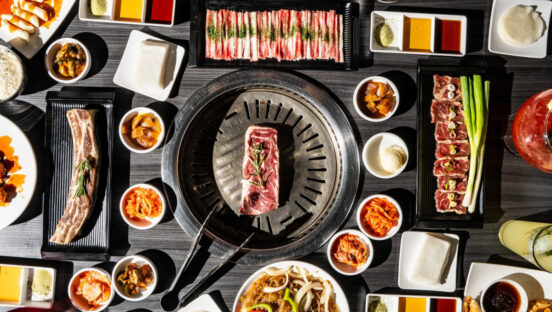
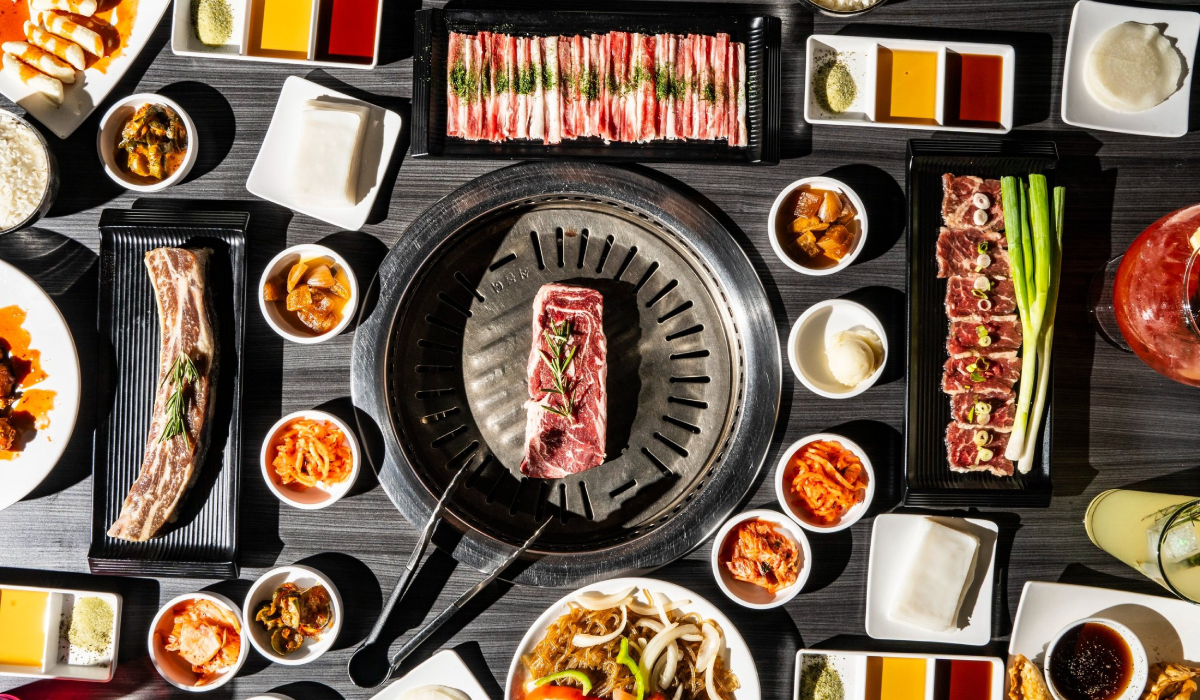
Gen Korean BBQ entered 2026 facing a difficult consumer environment, but leadership made clear during the company’s first-quarter earnings call that it believes the long-term opportunity extends far beyond the four walls of its restaurants.
The Korean barbecue chain reported an 8.8 percent same-store sales decline in the first quarter, although that marked an improvement from the 11.7 percent decrease it posted in the fourth quarter. Chairman, CEO, and founder David Kim attributed much of the pressure to macroeconomic conditions, such as fuel prices and their impact on discretionary spending.
The pressure has been especially acute in California, which accounts for roughly 45 percent of Gen’s U.S. locations. Gas prices have climbed to over $6 per gallon on average in the Golden State.
Even with the softer sales environment, Gen leadership emphasized that the business is shifting into a new phase centered on operational discipline, selective restaurant growth, and an aggressive push into consumer packaged goods.
Much of Gen’s excitement for the future comes from its expanding retail business. The chain expects to be in over 2,000 retail locations by the end of 2026. After 2027, the company estimates its products could reach 7,000 to 8,000 retail locations nationwide and potentially surpass a $100 million annual revenue run rate within three years. After accounting for slotting fees and promotional marketing estimates, the company projects EBITDA margins in the high teens.
In late 2025, the company launched a dedicated consumer packaged goods division aimed at bringing Gen-branded Korean products into grocery and convenience stores nationwide. What began as a test in roughly 30 Southern California stores has quickly accelerated.
Gen’s growing retail portfolio now includes 56 SKUs spanning frozen meats, beef jerky, snack chips, sauces, beverages, frozen sides, and GENJU-branded soju products.
The company has already secured placements with retailers including Costco, BevMo, Albertsons, and convenience store operators, with more agreements potentially still to come. At the end of May, Albertsons will launch a regional test of a full lineup of shelf-stable products across 150 stores. Kim said that based on projected numbers, more regions will follow.
Costco has become a particularly important growth channel. Gen recently launched a multi-region Costco roadshow initiative featuring ready-to-cook marinated meats across Oregon, Washington, Alaska, and Texas. The company also secured direct freezer placement in approximately 40 Costco warehouse locations across Southern California and Hawaii.
Leadership repeatedly emphasized that Gen’s retail momentum is being fueled by unusually high consumer awareness for a restaurant-born brand.
“The buyers at these supermarket chains are customers of ours,” Kim said.
The company has also taken an unconventional approach to in-store product demonstrations by using existing restaurant employees rather than third-party demo firms.
According to Kim, the response has been overwhelming.
“We’ve done over 100 tests so far,” he said. “And every demo that we get, the response from the customers is like a 60 percent. They already know our brand.”
Even in markets where Gen lacks restaurant penetration, leadership believes Korean cuisine’s growing mainstream popularity could help accelerate awareness.
The company believes Korean food remains significantly underpenetrated in retail despite rising demand.
“This momentum is further amplified by the Korean culture wave, including globally dominated acts like BTS and BLACKPINK, along with the expanding influence of Korean streaming, food, fashion, and lifestyle,” Kim said.
On the restaurant side, one of the company’s biggest actions came through a joint venture partnership with food and beverage holding company Chubby Cattle involving five Gen restaurants, which now operate under Chubby Cattle branding. Gen owns 49 percent of the converted restaurants while Chubby Cattle owns 51 percent.
“Importantly, these joint ventures are far different than closing a restaurant as the locations remain open and continue generating value,” Kim said.
The first two conversions took place May 1, with additional conversions scheduled throughout the summer. While the transaction created a $4.5 million write-down, Kim said the expectation is for the units to contribute positively moving forward.
Gen is also slowing unit growth considerably after several years of rapid expansion. The company now expects to open just five to seven stores in 2026 and has suspended construction on six additional restaurants.
“This disciplined capital allocation strengthens our balance sheet and reduces near-term expenses,” Kim said.
The company is also making operational adjustments inside existing restaurants as inflation continues to pressure margins. Food costs rose to 38 percent of restaurant sales in the quarter compared to 33.6 percent a year ago, driven largely by inflation and higher meat prices. Gen responded with an approximately 2.5 percent menu price increase during the quarter.
In addition to pricing, leadership is focused heavily on menu simplification and operational execution.
Management also rolled out enhanced incentive programs for restaurant managers while testing new beverage categories including boba drinks and soju cocktails. Technology is becoming a bigger part of the strategy as well. Gen plans to launch a new loyalty program in the second quarter and explore a revamped digital platform.
Gen finished Q1 with 59 restaurants systemwide, growth of 10 units year-over-year.