
Most restaurant owners assume their biggest profit opportunities come from menu pricing, food costs or marketing. But one of the biggest opportunities is often hiding in plain sight: how your restaurant performs during its busiest hours.
When your restaurant is packed, every decision matters. The host stand sets the pace. Servers influence check averages. Kitchen timing impacts table turns. And the systems you have—or don’t have—determine whether you maximize profitability or simply survive the rush.
As a restaurant owner, focusing only on filling seats during busy periods is not enough. The real game-changer is putting systems in place that help your restaurant operate more efficiently, create a better guest experience and increase profitability during peak hours.
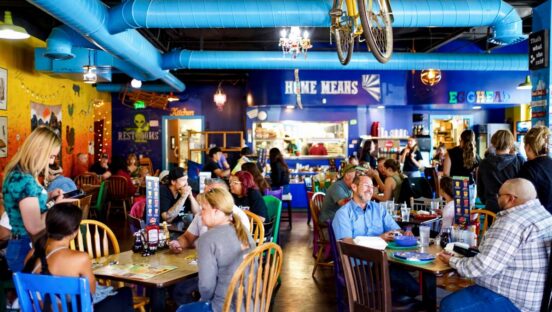
When your restaurant is busy, the energy is high. Staff members are moving fast, guests are excited and sales opportunities are everywhere. But without strong systems, that rush can quickly turn into chaos, slower service, and missed revenue.
The good news is that a few operational adjustments can make a major difference.
Strategies to maximize busy restaurant times
- Upsell without being pushy
Upselling isn’t about pressuring guests. It’s about improving their experience while increasing your average check.
For example, instead of simply asking, “Would you like a drink?” train your servers to make thoughtful recommendations, such as: “Our signature margarita pairs perfectly with the fajitas you ordered,” or “Would you like to start with our tableside guacamole?”
When team members are trained to guide guests confidently and naturally, guests often appreciate the recommendations because they enhance the dining experience.
The key is consistency. Create systems for suggestive selling so every server understands when and how to recommend appetizers, premium beverages, desserts and add-ons. Small increases in average check size across hundreds of guests each week can dramatically improve profitability.
- Streamline restaurant table turns
A packed restaurant creates hidden profit opportunities. Faster, more efficient table turns allow you to serve more guests without increasing labor or square footage.
Start by identifying operational bottlenecks. Are guests waiting too long to place orders? Is food taking too long to leave the kitchen? Are tables sitting dirty while new guests wait?
Simple changes can improve flow dramatically. Handheld payment devices allow guests to pay tableside, reducing the time between check drop and table reset. Pre-bussing tables throughout the meal speeds up cleanup. Strong communication between the kitchen and front-of-house team helps maintain a consistent pace.
Restaurants that manage table turns efficiently often create a smoother guest experience while increasing total sales during peak hours.
- Increase restaurant capacity without expanding
Many restaurant owners believe they need a larger space to increase sales. In reality, improving operational efficiency often creates additional capacity without construction costs.
Analyze your floor plan and staffing systems during peak periods. Are sections balanced properly? Are servers overwhelmed while other staff members have downtime? Is your kitchen line optimized for speed during high-volume periods?
Even small improvements in workflow can increase the number of guests you serve during busy hours. Some operators find success by adding flexible waiting areas, refining reservation timing or simplifying menu execution during peak periods.
The goal isn’t to rush guests. It’s to eliminate inefficiencies that slow down service and reduce profitability.
- Train your team for peak-hour performance
One of the biggest differences between highly profitable restaurants and struggling restaurants is training.
Busy shifts expose weaknesses in systems quickly. If your team is unclear on responsibilities, communication or service standards, the guest experience suffers.
Create clear systems for peak-hour operations. Train employees on prioritization, communication and recovery strategies when problems arise. Cross-training team members can also improve flexibility during high-volume shifts.
When your team knows exactly what is expected and has systems to follow, busy hours become more controlled, productive and profitable.
The bottom line on maximizing busy shifts
Your busiest hours should generate your biggest profits, not your biggest headaches. By improving operations, training your team and creating systems designed for efficiency, you can turn high-volume periods into a major competitive advantage. Small operational improvements—from smarter upselling to faster table turns—can significantly increase profitability without adding more seats or cutting corners on guest experience.
The restaurants that consistently succeed are not simply the busiest. They are the ones that operate the smartest when business is booming.
David Scott Peters is a restaurant industry veteran and the original restaurant coach. He’s spent decades perfecting the systems that helped thousands of independent restaurants reclaim their profits and freedom. His Restaurant Prosperity Formula™, which includes Peters’ proprietary budgeting system, has the power to drive down food and labor costs for independent operators by an average of 23%. Restaurant owners who work with him get one-on-one training and a step-by-step plan tailored to their restaurant, taught by a restaurant owner who’s already used Peters’ systems to transform their business. His book, “Restaurant Prosperity Formula: What Successful Restaurateurs Do,” teaches the systems and traits restaurant owners must develop to run a profitable restaurant. Learn more in his free 30-minute training video http://www.davidscottpeters.com.