
George Washington, Thomas Jefferson, John Hancock, and Sam Adams weren’t always aligned on politics or what their young nation should look like. But they could all agree on one thing: a pint of beer was a great way to connect, share ideas, settle differences, and celebrate.
The Founders, many of whom were brewers themselves, understood beer’s role in growing local economies, shaping American life, and bringing joy and unity to a new nation.
The Sons of Liberty met in taverns to discuss British military operations and plan their defenses over a good porter. The Boston beer scene, from Sam Adams to John Hancock, boomed as new Americans took pride in their locally made brews. Further south, George Washington worked with local barley farmers to fuel his brewery at Mount Vernon. And critically, then-General Washington ensured that his troops always had fresh beer available to keep up their morale—dramatically expanding the beer industry in the U.S. to meet this new demand.
From colonial taverns in 1776 to your local draft house in 2026, beer has shaped America’s story again and again. Over the past 250 years, beer has remained America’s favorite alcohol beverage, with 60 percent of Americans who drink reporting that they consumed beer in the past 3 months. Nowadays, beer remains woven into American life, contributing to our nation’s economy. From farmers to truck drivers, bartenders and restaurant owners, millions of Americans still rely on the beer industry for their livelihoods.
Beer supports U.S. agriculture. Beer supports U.S. manufacturing. Beer supports truckers and railroads. Beer supports local restaurants and bars.
But most importantly, beer supports the American people—bringing laughter and joy as we engage in a tradition older than America itself: connecting with our friends, families, and loved ones over a simple beer.
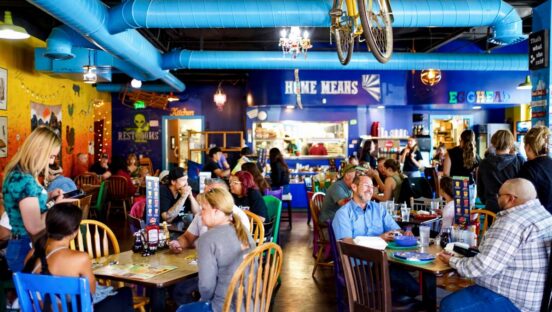
In the cities that founded this nation, the beer industry continues to bridge history with the shared experience of coming together over a frothy pint. Boston boasts 146 breweries, with beer sales at independent bars and restaurants growing steadily in 2026. New York City leads as the largest beer market, accounting for nearly 5 percent of all U.S. beer, while Philadelphia and Washington, D.C., each support more than 130 breweries and vibrant beer cultures. These founding cities continue to highlight how beer sustains local economies and offers opportunities for communities to gather.
That ability to drive connection is why beer’s future is strong. Nationwide, bar and restaurant beer sales outperformed off-premises retail options, like grocery stores, in the first quarter of 2026. The growth is even more pronounced at stadiums and festivals.
And for Americans who want to moderate their alcohol consumption without sacrificing socialization, there’s a beer for that, too: non-alcoholic beer is growing at a double-digit pace at 22 percent. It now accounts for 87 percent of the non-alcohol beverage market.
America’s 250th summer will cement beer’s place in our national story. The same industry that helped fill colonial taverns and support early American farmers and manufacturers is now a major pillar of the economy. And we’ll continue to build our ever-growing workforce—asupporting farms, canning and bottling lines, restaurants, stadiums, stores and other small businesses in our drive to bring America together.
America has changed a lot over the past 250 years, and the beer industry has evolved alongside every step of the way.
Yet, one thing has never changed: people still want to get together with the people that matter most … and that’s best done with a cold beer in hand.
Brian Crawford is the CEO and president of the Beer Institute.