
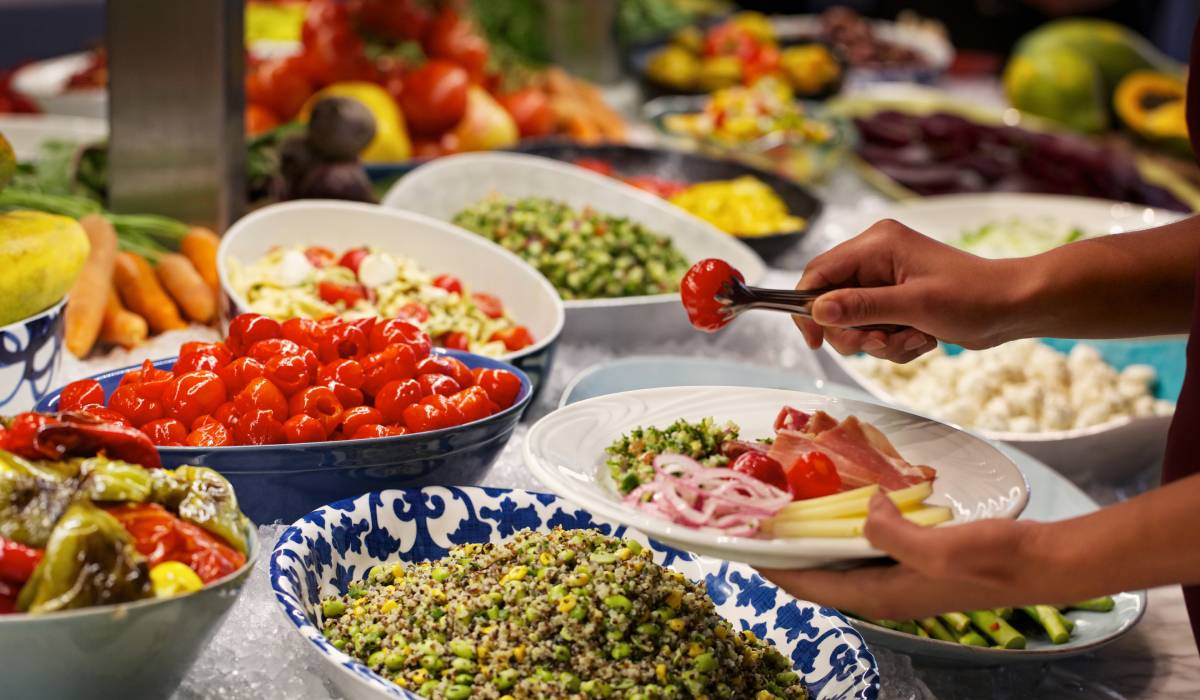
Walk into a restaurant today, and you’re likely to hear just as many questions about ingredients and preparation as you are about wine pairings or specials. Guests are more informed, more intentional, and more diverse in their dietary choices than ever before. Some are seeking high-protein, low-carb meals. Others prioritize plant-based options. Many want to understand where their food comes from, how it’s prepared, and how it makes them feel afterward. And they expect this level of consideration and transparency without sacrificing flavor, variety, or the joy of dining out.
This shift isn’t a fad, it’s a fundamental evolution in how people eat. And it’s redefining what it means to be hospitable.
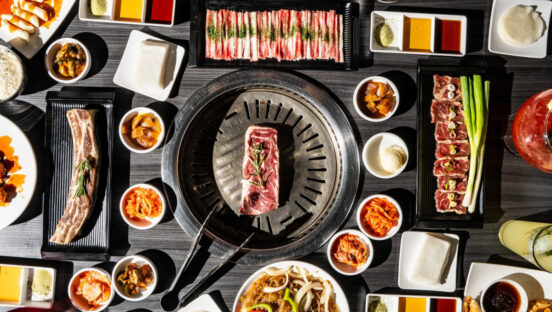
At Fogo de Chão, we’ve always believed that food should be a celebration: of culture, of community, and of well-being. Rooted in the traditions of Southern Brazil, our culinary philosophy centers on whole, minimally processed ingredients: fire-roasted meats, seasonal vegetables, fresh salads, hearty grains, and house-made sides. What we’ve seen over the years is that these foundational elements naturally lend themselves to a broad spectrum of dietary preferences, from keto and paleo to vegan and gluten-free.
But what matters most isn’t checking boxes. What matters is removing barriers.
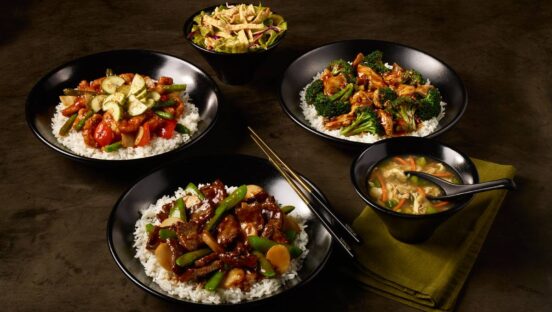
In today’s hospitality landscape, the idea of “inclusive dining” goes far beyond accommodating allergies or having a veggie burger on standby. It means designing a culinary experience that welcomes everyone to the table, regardless of their lifestyle, health profile, or food philosophy. It means offering meals that are both indulgent and nourishing. And it means creating an environment where guests don’t have to compromise between eating well and enjoying themselves.
At its best, hospitality isn’t about one-size-fits-all service, it’s about seeing and serving the individual. And in a time when wellness is deeply personal, that individualization must show up on the plate. That approach wins guests over and encourages frequency time and time again.
The good news is that this doesn’t require reinvention. Rather, it requires intention. Across the industry, restaurants can embrace this new era of dining by returning to timeless principles: cooking with quality ingredients, focusing on balance and freshness, and allowing guests to guide their own experience.
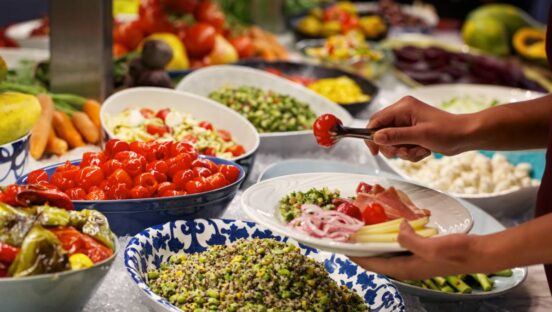
For Fogo, this means offering customizable choices like our Market Table, which allows guests to build a plate that suits their goals without feeling restricted. It means preparing meats in a way that highlights their natural flavor and nutritional value, with simple seasoning and open-flame roasting. It means ensuring our plant-based options are just as flavorful and thoughtfully crafted as our signature cuts. And it means training our teams to understand and support guests’ choices without judgment or confusion.
What’s driving this change isn’t just health consciousness, it’s a broader cultural movement toward transparency and self-awareness. People want to know what they’re eating and why it matters. They’re reading labels, researching ingredients, and tracking how food makes them feel. There is an ongoing movement toward more healthful food options both at the restaurant and grocery store. Restaurants that treat this as an opportunity and not an inconvenience or fad will be better positioned to earn long-term loyalty.
READ MORE: How Barry McGowan is Forging a Fearless Culture at Fogo de Chão
There’s also an important economic reality here. In a high-inflation environment, diners are more selective with their dollars. They’re seeking meals that deliver both quality and value. They are seeking meals that make them feel good, physically and emotionally. Operators that prioritize nutrient density, flavor, and personalization are better equipped to deliver on this value equation.
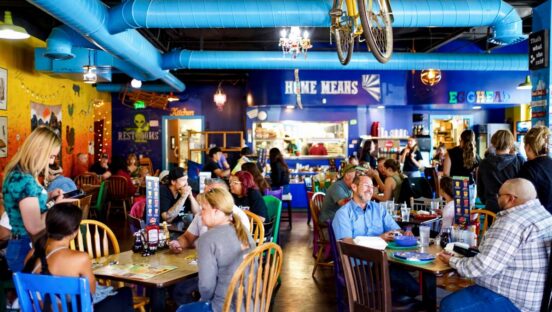
Experience still matters, of course. In fact, it matters more than ever. But that experience must now be multi-dimensional: rooted in delight, backed by substance, and responsive to evolving needs. The table is no longer just a place for consumption, it’s a place for connection, self-expression, and even self-care.
Businesses that embrace this mindset—not because they have to, but because they want to—understand that the highest form of service is meeting people where they are with menu optionality.
At Fogo, our job has never been just to feed people. It’s to celebrate them—every guest, every tribe, every day.
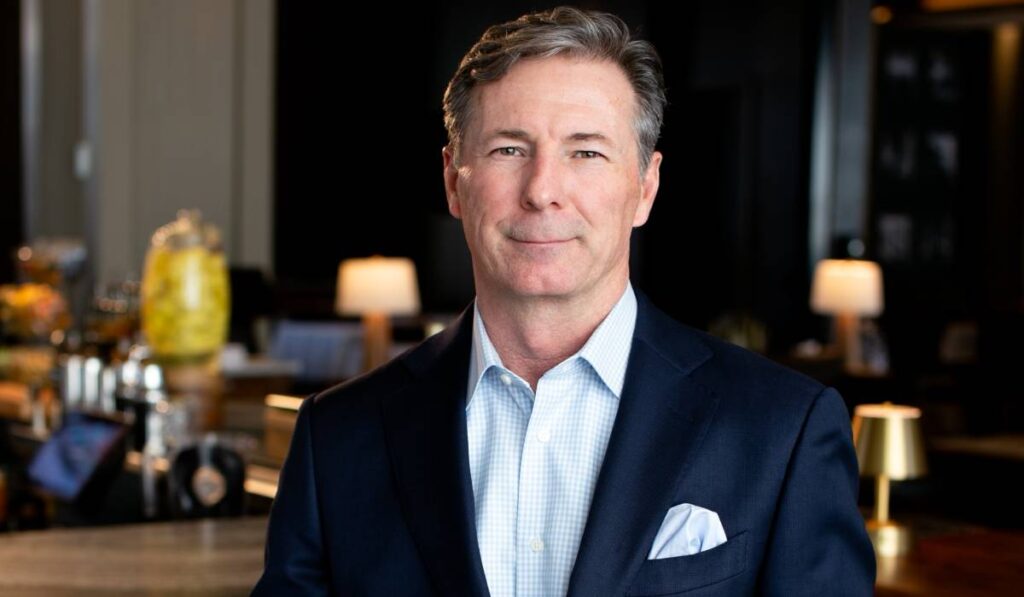
Barry McGowan has served as Chief Executive Officer of Fogo de Chão since 2019, and served as its President from 2013–2018. He has over 30 years of experience in the restaurant industry, including more than 10 years with Brinker International. He served as Chief Operating Officer of Macaroni Grill from 2010 to 2013 and as President and Chief Executive Officer of Waterloo Restaurants from 2002 to 2010. With his prior experience, Barry brings a broad range of strategic leadership and operational knowledge to Fogo de Chão.