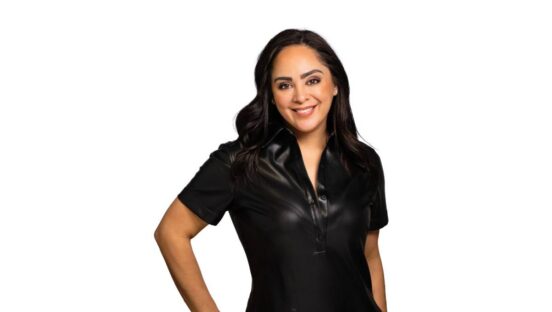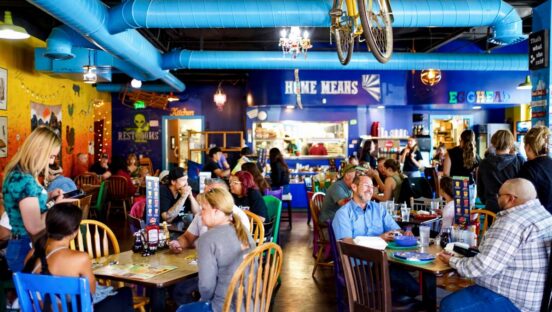

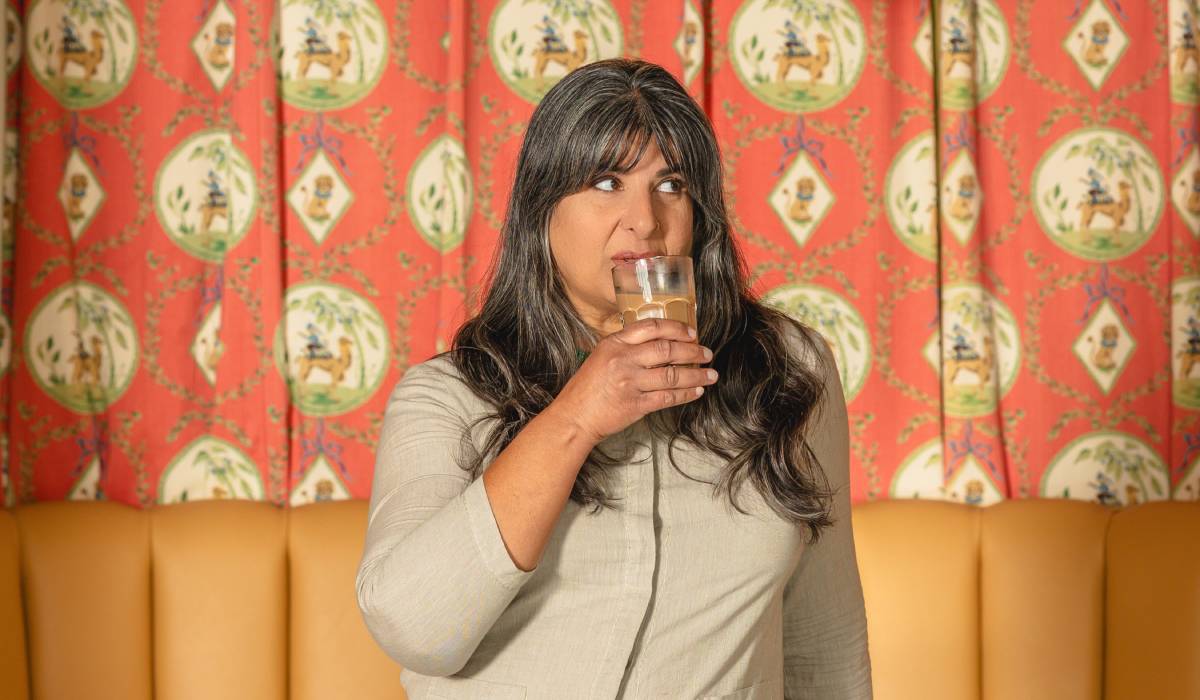
Preeti Waas floats between tables at Cheeni Indian Food Emporium, pausing long enough to sit down and have a meaningful conversation with each guest. Her daughter, Amy Waas, greets people as they walk in—acting as both host and server on the special preview day of the newest location of Waas’s beloved Cheeni concept in Durham, North Carolina. Housed in Horseshoe at Hub RTP (Research Triangle Park—AKA North America’s largest research park), the mixed-use development complex is a futuristic take on what a “downtown” district can look like in the booming business-centric area. Tenants include the likes of IBM, Cisco, Fidelity, and many biotech and life science companies.
It’s where she also owns a boutique bodega called Nanny Goat, designed to be a neighborhood market with locally sourced produce, artisan gifts, and grab-and-go items. Located adjacent to Cheeni, the bodega and restaurant share a kitchen and prep space. Waas named Nanny Goat after the female goat who watches over other goats and kids in the herd, also drawing inspiration from the Nanny Goat Market in Philadelphia that served as a refuge and gathering space for Irish immigrants in the 1800s, before it burned down during riots.
In downtown Durham, another Nanny Goat is located less than a mile down the street from Cheeni Durham and The Bar Beej, a cocktail bar “built by the kitchen” driven by the spices, produce, discard, and flavor profiles of an Indian home kitchen. The concept was co-created by Waas and Amy, who designed the menu. The Bar Beej opened in June 2024, and in its first year, earned a James Beard Award nod as a “Best New Bar” semifinalist. Bar guests can also order dinner from the adjacent Cheeni.
- Go-to drink? Black coffee
- Favorite spice? Star anise
- If you could only cook with one vegetable? Eggplant
- Alt career? Pilot
- Secret comfort food? Fries
- Favorite foodie city? Charleston or Chicago
The story of Cheeni evolved from humble 2017 beginnings as tiny market stands and a YMCA kiosk in Raleigh to a fast-casual cafe that turned heads and won Eater’s “Best New Restaurant.” While the original Raleigh location closed in April 2024 due to rising operational costs, Waas was able to pivot and focus her attention on Cheeni Durham, which opened in late 2023, and on her latest openings in RTP.
At Cheeni, Waas cooks from scratch with a stubborn refusal to cut corners or pander to American expectations of what Indian food “should” be. That means you won’t find chicken tikka masala, for example, which Waas clarifies is not an Indian dish—a fact that surprises many people. (The chicken curry dish is believed to have originated in Glasgow, Scotland, during the 1970s.) Instead, Waas serves a rotating menu of authentic Indian dishes as a seasonal, regional exploration that honors South Asian traditions.
At Cheeni Durham, the menu is divided into categories: Chhota Khana & Chaat (small plates) features dishes like keema samosas with tender minced lamb in a crisp golden pastry. Larger plates under the Kaaris & Such section offer creations ranging from the golden, silky fish moilee with coconut milk gravy and seared market fish filet served with paratha or rice to the “fiery hot” vinegar-spiked lamb vindaloo, cooked with onions, vinegar, dried red chilies, and warm spices, served with rice.
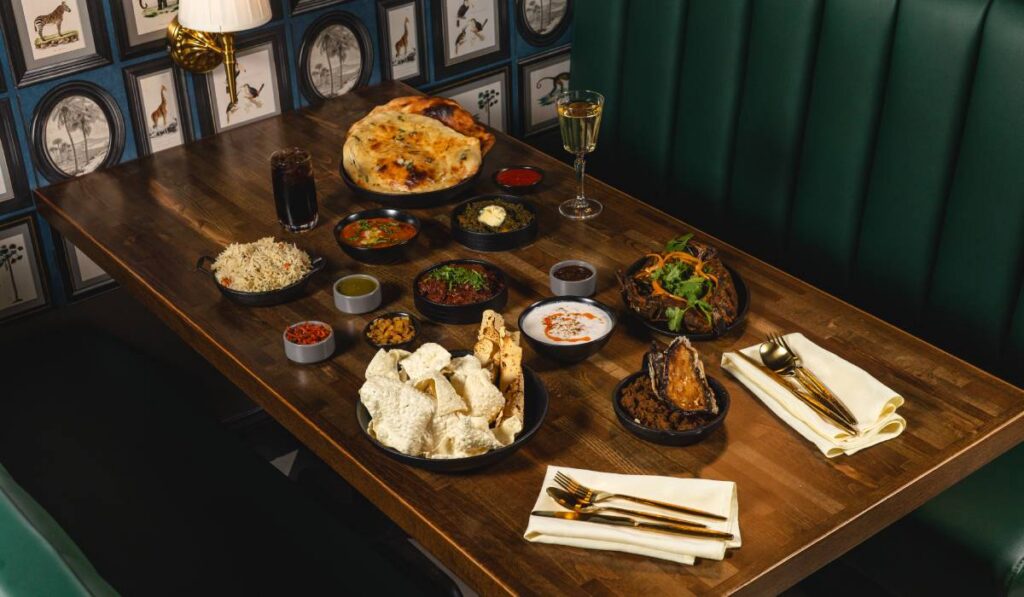
Under Sigri Se (from the grill), guests can order The Rani with preserved lemon labneh, grilled seasonal vegetables (cauliflower, parsnips, and beetroots, mushrooms, etc.) served with spice & seed crusted house paneer & beetroot raita, and a pink yogurt dipping sauce. Even the breads are distinctive; the vegan naan (under the Sigri Mein section, which means “alongside”) is prepared thicker and more like a traditional flatbread, while the flaky malabar paratha serves as a vessel for house-made achaars and seasoned gravies.
At Cheeni Indian Food Emporium in RTP, the lunch menu features dishes like dosa waffle & sambar with fermented rice waffle, lentil vegetable stew, tomato and coconut chutneys; and aloo chaat with fried potatoes, chutneys, tomatoes, onions, cilantro, house yogurt, and chickpea crunchies. Dinner menus here are six courses each, priced individually and only served dine-in, no takeaway: vegetarian is $50, pescatarian/omnivore is $55.
“From the consumer standpoint, everything is just so expensive … They don’t understand costs and why we have to price things the way we do. So there is some level of customer dissatisfaction sometimes that we have to contend with,” Waas admits. “What I’m hoping and trying to do is, although our fixed costs are fixed—and I’m not about to compromise in terms of staff pay or ingredients—I’ve been trying to think about, how do I bring more value to the table? Does this feel like a comprehensive experience?”
Her main focus right now is simply keeping her restaurant doors open as costs and macroeconomic factors, like tariffs, pile up. “I think there was a point in time when we were all trying to justify our prices. I feel like we’re past that point,” Waas adds. “It doesn’t matter to the guest what we have to pay. They just know what they are able to and want to [pay], and sometimes they might want to pay more, but they’re not able to, because all of us are getting squeezed tighter and tighter.”
Looking back, Waas says she wishes she would have educated herself more on the business side of running a restaurant—a lesson for budding restaurant owners and chefs to learn from. “I made far too many mistakes that impacted me and my family in the learning of it, and I’m still impacted by those decisions. That’s something that I would have done differently,” she explains.
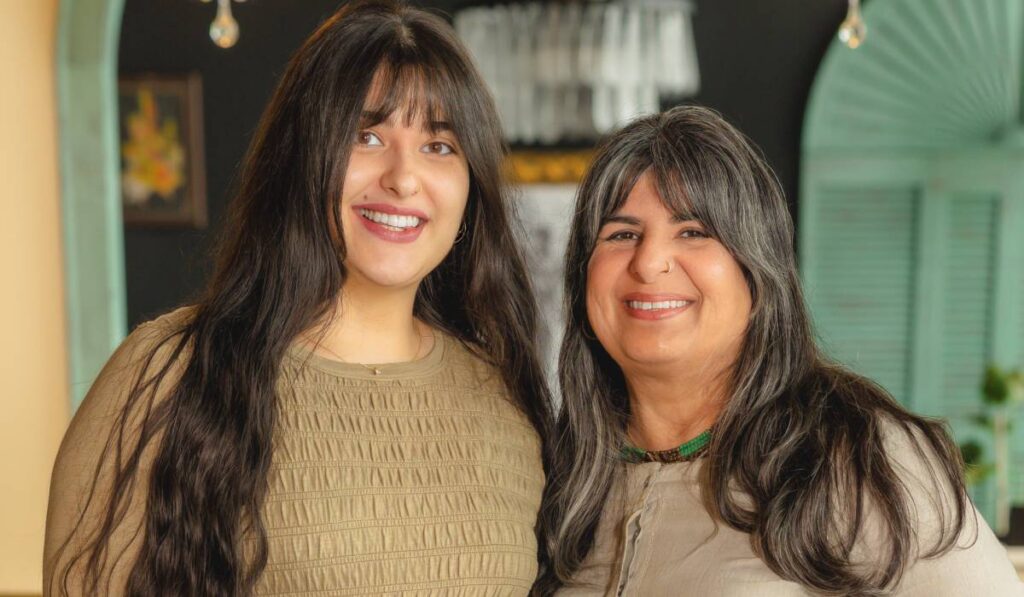
Despite all the challenges involved in running a family-owned and operated restaurant business, Waas stays grounded by her mission: “If I’m speaking from my heart, I can’t seem to stop feeding people,” she says. “One way or the other, that’s what I like to do.”
That fire within her to feed people fuels her steadfast mindset and survival instincts to endure, which also stems from her turbulent upbringing in India. (Trigger warning: physical abuse; alcoholism.)
“My mother was not very maternal. My father was a violent alcoholic, and my mother had to be the breadwinner,” she recalls. As the youngest child, Waas was often the recipient of her mother’s anger and frustration and was “not fed” in the emotional sense she believes children need. At the same time, she was literally and figuratively nourished by an extended network of older sisters and aunts on both sides of the family. “I’ve always had those figures who kept me fed,” she says.
Food became her means of survival in multiple ways. From a young age, it was her job to come home from school and cook for her intoxicated father, racing to get food on the table. “It was almost like a game of chicken—how fast could I get something on the table before he lost his patience and beat me terribly … That kind of broke my relationship with food,” she says.
What helped her heal her relationship to food was when she gave birth to her first daughter, and realized that breastfeeding was keeping her child alive, sustaining her, and helping her to thrive. “Then it became, ‘Oh, I get to feed my child. I get to take care of my child. I get to do this for my children,’” Waas recalls. “And that turned into joy, and then I couldn’t stop feeding people.”
Waas’s journey as a mother is also marked by profound recent loss. Her second daughter, Ellie, tragically passed away last year at just 21 years old. It was Ellie’s warm, intuitive presence at the original Cheeni location—her belief in and love for what the family was building—that became the reason Waas even agreed to open the second location.
When the Hub RTP development team first visited Cheeni’s location in downtown Durham, it was Ellie who served them. “They were so enamored by the experience she provided, because she believed in and loved what we did so much that they felt like they needed that here,” Waas says. “And so they actually really pursued Cheeni being in the space.”
While the new restaurant wasn’t constructed before Ellie passed, “Her spirit is here. She’s very present,” Waas adds. “We’re here because of her.”