
Advanced cleaning and sanitation technologies are impacting the future of the food industry. Manual labor in restaurants is becoming easier as self-cleaning surfaces are increasingly commonplace. From door handles to prep surfaces, these innovations are touching every corner of the business, making operations more compliant and safe for visitors.
The Benefits of Self-Cleaning Surfaces
Surveys have found that 73 percent of diners consider cleanliness to be one of the most important factors in their restaurant experience. Because it drives so many consumer decisions, it also influences the company’s reputation and the quality of word-of-mouth advertising.
Sentiments around sanitation also changed in light of the COVID-19 pandemic. People expect higher standards to minimize the spread of potential illness. It is why many establishments still use QR code menus and single-use containers. These set a precedent for cleanliness and address several industry and consumer pain points around sanitation standards.
Self-cleaning surfaces also empower food service employees. Many sanitation processes are time-consuming and prone to human error. Automation can alleviate workers’ concerns and enable them to devote more time to creating safe, delicious meals.
Manufacturers play an important role in helping restaurants reap the benefits of self-cleaning surfaces. Surface finishing processes are a key step in creating self-cleaning surfaces. Specifically, bead blasting creates a uniform, textured surface. This texture is a critical component of a self-cleaning surface, which relies on a specific micro- or nano-scale topography to repel water and dirt. After a piece of metal or plastic is bead-blasted, a hydrophobic or superhydrophobic coating could be applied to create a durable, self-cleaning part.
In a restaurant kitchen, stainless steel food-preparation surfaces are common. If these surfaces were bead-blasted and then treated with a food-safe, superhydrophobic coating, they would be easier to clean and maintain, as they would naturally repel water, grease and food particles.
The Self-Cleaning Solutions Changing the Game
Here are several pivotal technologies that are at the forefront of this revolution.
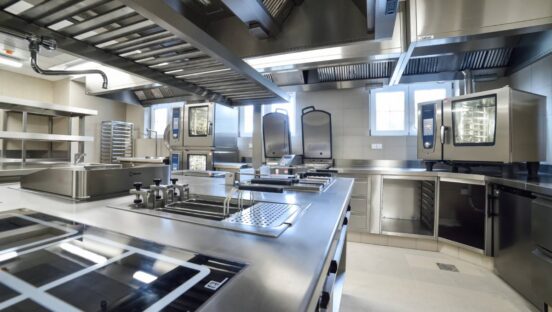
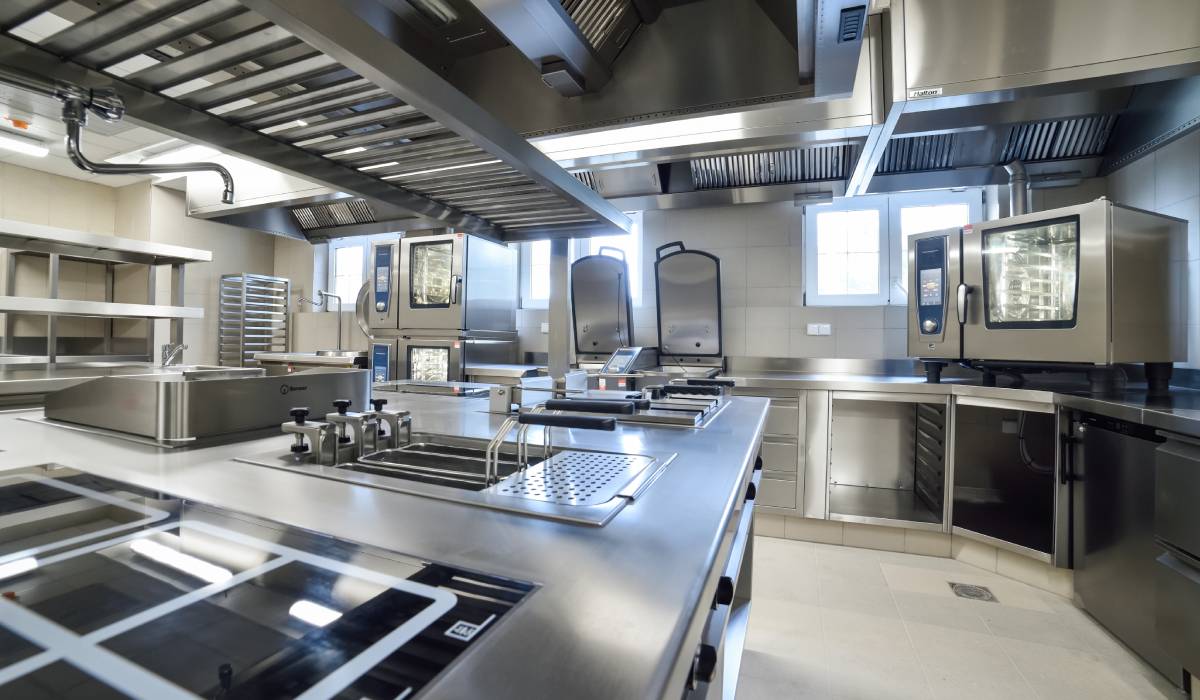
Cleaning an oven is a laborious, time-intensive process. Small businesses, which may only have one oven, could risk having workers stay late after closing to accomplish tasks and avoid downtime during restaurant hours. Combination ovens that self-clean with high heat and steam automatically dispense cleaning agents to break down buildup. This protects workers from scrubbing with dangerous, caustic chemicals.
Heavy grease is a common problem for restaurants. It is challenging to completely discourage spray and remove buildup once it has formed. Equipment like rotisseries with programmable, automated cleaning cycles encourages better hygiene. This equipment also enhances safety by potentially reducing the risk of grease-related fires, as self-cleaning surfaces become more adept at detecting and removing accumulated grease.
Many drink dispensers are breeding grounds for bacteria, especially when their peripherals, such as nozzles and sprayers, are difficult to clean. The sugar accumulation invites contamination, compromising a restaurant’s adherence to food quality control systems, like the Hazard Analysis and Critical Control Points and Good Manufacturing Practices frameworks.
If customers see sticky, syrupy messes around the machine, they question whether their beverage is safe to drink. Automating cleaning with self-cleaning technology preserves the taste and hygienic integrity of drinks.
Dealing with piles of dishes is a common but tedious part of restaurant work. Even with a power washer, food debris can splatter and cause a mess. Dishware is one of the most essential surfaces to keep clean. During rush hour, employees may feel tempted to clean quickly instead of thoroughly because they don’t want to risk slowing down service.
Dishes with a food-safe, superhydrophobic coating actively repel food residues, oils and liquids. Instead of needing intensive scraping and washing, a simple rinse could be sufficient, or they might require less time and resources in a dishwasher. This would reduce water and chemical consumption and ensure a high level of hygiene. For restaurant staff, this would mean less time spent on one of the most laborious tasks, allowing them to focus on other aspects of food preparation and service.
Ultraviolet Light Sanitizing Systems
Ultraviolet (UV) light systems are among the most effective at targeting common restaurant threats, such as mold and other microorganism buildup. They are one of the most versatile utilities, as buildings can install them in ice machines or on door handles. High-touch surfaces that can clean themselves on a programmed schedule can help restaurants avoid health code violations.
The UV lights can trigger after every instance of someone opening a door or on an hourly schedule. The customization options for these devices are one of the reasons they are so effective without disrupting operations. Research shows they are over 99 percent effective at surface sanitization and removing microbial contaminants.
The Lasting Impact of a Self-Cleaning Restaurant
Implementing self-cleaning surfaces and tools fosters a safe and hygienic restaurant culture for both employees and customers. Workers feel safer working in pristine spaces without having to exert themselves to achieve those results. Additionally, diners see the sparkling space and know their food is coming from a dependable, high-quality team. Adopting self-cleaning equipment offers numerous advantages to restaurants in both the short and long term.
Ellie Gabel is a freelance writer who also works as the associate editor for Revolutionized.com. She loves keeping up with the latest innovations and advancements in science, tech and sustainability. When she’s not hard at work, you can find her playing video games and spending time with her husband and their cat.