
While terms like “proteinmaxxing” and “fibermaxxing” might sound like trendy buzzwords, they’re actively reshaping how menus are designed and how brands compete for market share. A recent consumer survey conducted by Revenue Management Solutions (RMS) found that nearly 50 percent of consumers will switch brands for high-protein products, while 45 percent are actively seeking high-fiber offerings.
The Big Biscuit, a breakfast and lunch concept with 30 locations across the Midwest, kicked off 2026 with its “Protein Packed” campaign, highlighting some of the highest-protein breakfast dishes on its menu.
“While we’re known for impossibly generous portions of classic comfort foods like biscuits and gravy or plate-sized pancakes, we also offer a variety of high-protein options … and we recognize how important it is to support our guests’ health and fitness goals,” Katie Allen, director of marketing, says.
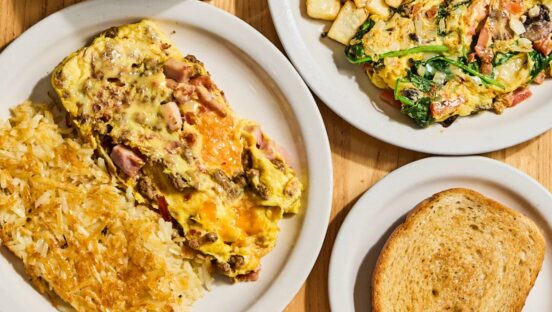
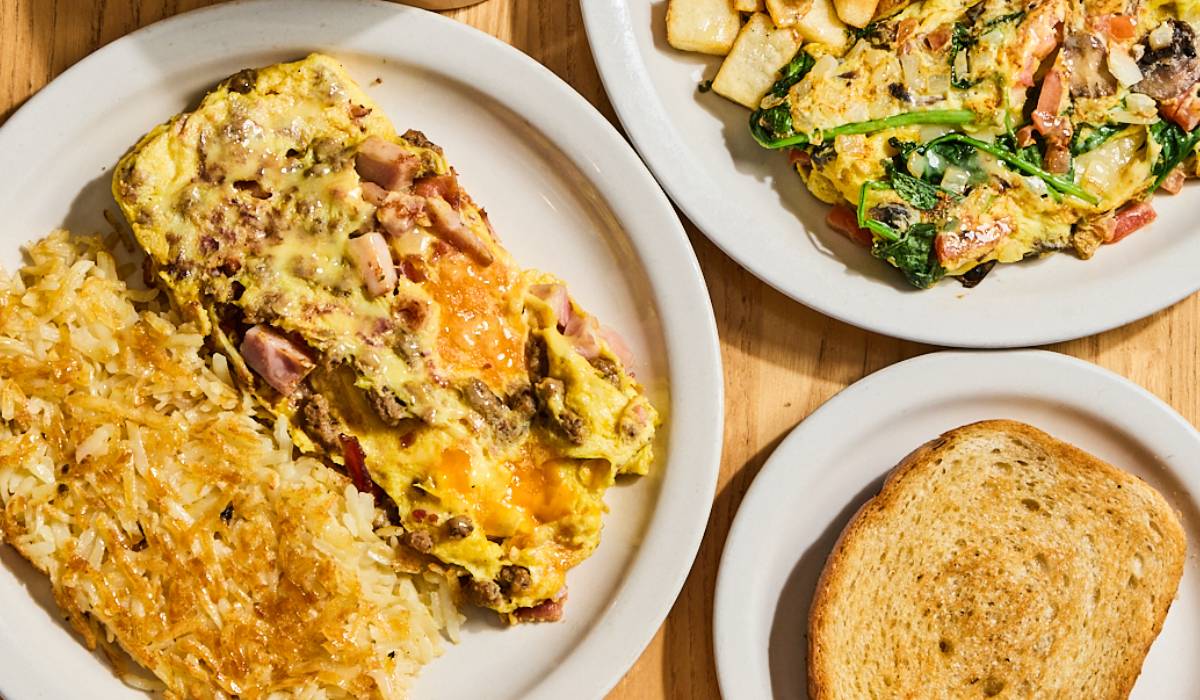
The initiative spotlights menu favorites that appeal to a wide range of protein-conscious consumers—from casual seekers to dedicated gym-goers. There’s the Kansas City Omelet, packed with smoked ham, bacon, sausage, and cheddar cheese, delivering 56 grams of protein. Also featured is the Ranch Hand Scram-Bowl, layered with grilled steak, jalapeños, peppers, tomatoes, onions, Monterey Jack, and cheddar cheese. A lighter option, the veggie omelet, delivers 32 grams of protein and features mushrooms, spinach, tomatoes, onions, and Monterey Jack cheese.
During the campaign period, the brand saw a 14 percent year-over-year increase in sales of these three items, confirming guests’ interest in protein-forward breakfast options.
The campaign went beyond simply highlighting protein and analyzed the full macro profile of each dish before deciding which ones to feature. For example, Allen points to the 3 Car Pile Up, an enormous dish of buttermilk pancakes and biscuits, scrambled eggs, bacon, sausage, hash browns, and breakfast potatoes, all smothered in sausage gravy. While it packs more than 100 grams of protein, it ultimately leans more indulgent than fitness-focused.
“The success of this intentional campaign shows that our guests do crave dishes that help them find a balance between big flavor and health-conscious options,” Allen adds. “We listen to what our guests want and make data-driven decisions for our campaigns and menus. This was an authentic campaign that fit the brand because we already offered all the dishes featured.”
Across the segment, one ingredient combination in particular is gaining massive traction: fried chicken and waffles. While its origins can be traced back to the 19th century, the pairing became especially popular during the Harlem Renaissance in the late 1930s before spreading to the Southern U.S., where it quickly became a soul food staple—and demand hasn’t slowed.
For operators, the appeal goes beyond flavor—it’s also about flexibility and functionality. The savory and sweet combination satisfies diners’ cravings to indulge with the sweetness of the waffle, balanced with protein from the chicken.
“Protein has become the headline nutrient at breakfast, and waffles naturally support protein-forward dishes without adding operational complexity. Chicken and waffles are one of the fastest-growing breakfast combinations because they deliver indulgence and protein in a format operators already know how to execute,” says Mike DiBeneditto, CEO of Golden Waffles.
In response to the growing demand, brands like Keke’s Breakfast Cafe, Hash House A Go Go, and Tupelo Honey have all added chicken-and-waffle variations to their menus. Chefs like Deborah VanTrece are also elevating the format at her restaurant, Twisted Soul, with dishes like fried chicken and vanilla bean waffles with maple bourbon syrup, or herb-spiced duck and sweet potato waffles with citrus bourbon syrup.
The Big Biscuit features its own spin on the trend with items like Nashville Hot Chicken & Waffles, topped with hand-breaded fried chicken, dill pickles, and a honey drizzle.
As the definition of “healthy” continues to evolve—and with a growing number of consumers using GLP-1 medications—operators are moving quickly to meet guests’ expectations with menu items that balance indulgence, creativity, and functional ingredients like protein and fiber.
But for Allen and The Big Biscuit, the strategy isn’t about downsizing portions. It’s about authenticity and meeting guests where they are.
“We’ve seen an emphasis on protein recently, but the overall ‘healthy’ conversation has evolved into finding balance rather than restriction. The Protein Packed campaign highlighted high-protein dishes, but we also wanted to show that meeting your goals doesn’t have to mean sacrificing flavor, feeling unsatisfied, or going out of your way,” Allen says.
“While we see diet trends and some brands downsizing menu items for GLP-1 users, The Big Biscuit is a guest-first brand committed to offering impossibly generous portions of classic comfort food while expanding our offerings when it feels authentic.”
DiBeneditto shares a similar outlook on the future of breakfast innovation: adding functional benefits without sacrificing the comfort foods people already love or adding complexity to kitchen workflows.
“We are seeing momentum around functional ingredients like protein and fiber,” he says. “Moving forward, [ingredients like] waffles will continue delivering the comfort and creativity people love while quietly incorporating some of those functional benefits along the way. The foundations will always be the same.”