
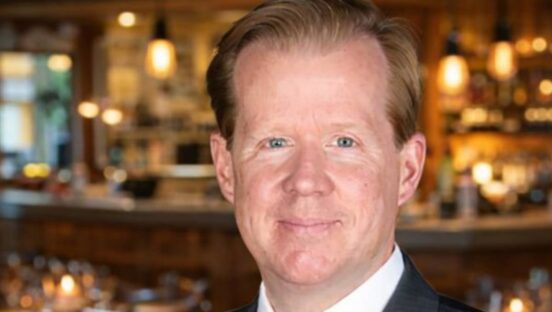
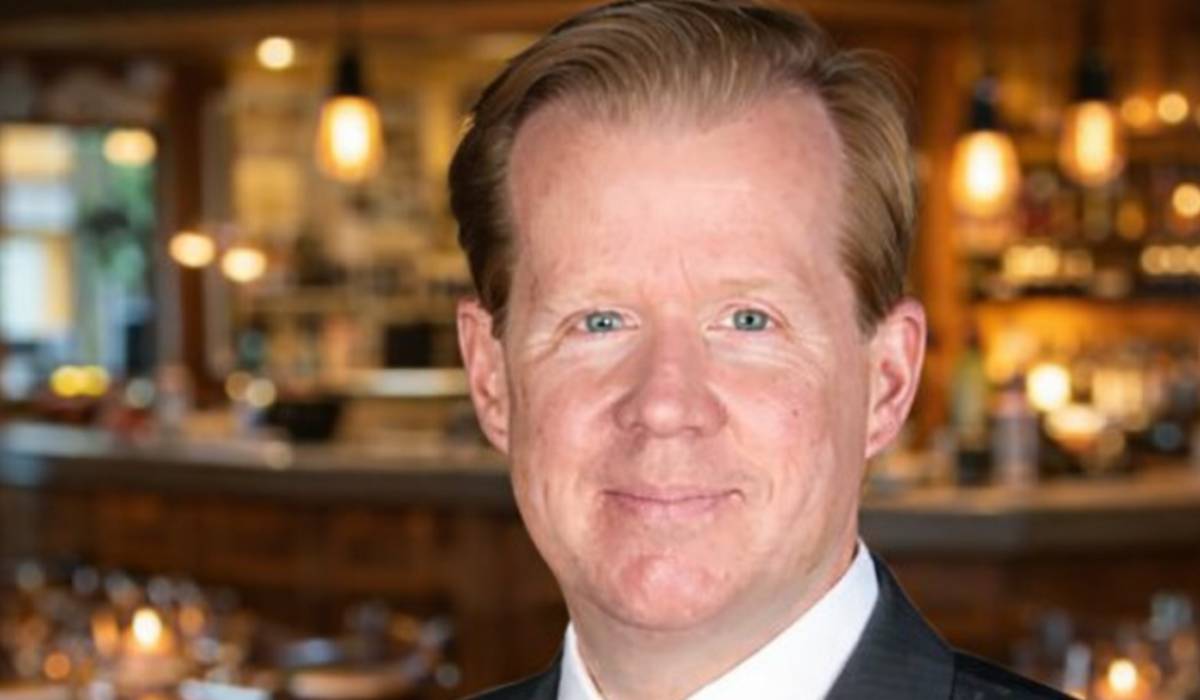
Editor’s note: This is the first column in a new series by James O’Reilly, multi-time industry CEO (Ascent Hospitality, Smokey Bones, Long John Silver’s, and former Sonic and Yum! Brands executive) and current principal and founder of Brand Capital Consulting. O’Reilly will explore industry hot topics and offer a roadmap for how to win over consumers in an ever-changing restaurant dynamic.
2025 exposed a hard truth. While it was not uniformly bad for our industry, it was an unforgiving year. Traffic was pressured, costs remained elevated, and consumers by necessity became more selective than ever. Even for brands that reported positive same-store sales, many did so with negative same-store traffic. Black Box Intelligence reported industry traffic down 2–3 percent through much of 2025, even as menu price inflation moderated out of necessity.
There were some select brands that delivered improved performance, and a few that experienced real growth. The difference was not marketing spend, menu news, or promotional intensity, although winning brands did not falter on these elements. It was more than these; it was how well these brands executed the fundamentals. As a result, traffic in 2025 didn’t disappear—it became more earned than ever. Brands were audited visit by visit, and the margin for error narrowed dramatically.
Chasing traffic with discount-only strategies largely failed in 2025. Discount-led strategies work best when demand is elastic, but discount-only brands did not seem to recognize that 2025 was not that kind of year. Price promotions erode margins, stress operations, and can train customers to wait for deals. While some brands had the discipline to execute discounting profitably, many focused too heavily on price without also addressing service inconsistency, speed, and guest experience breakdowns. In prior economic environments, promotions could mask these execution problems. In 2025, there was no room for this.
Black Box Intelligence showed negative traffic during 2025 even during heavy promotional periods, reinforcing that discounts alone could not reliably restore visits. Wall Street Journal reporting highlighted margin pressure driven by promotional intensity as a common executive theme across restaurant earnings calls. Promotional discounting was a necessary part of the equation for many brands in 2025, but the winners did something more.
The winners invested in execution, not just news. Speed, accuracy, cleanliness, and hospitality mattered even more. These brands reduced self-inflicted wounds, and operational credibility became a differentiator, even if it was not their marketed message. Black Box experience metrics repeatedly showed a strong correlation between traffic retention and these fundamentals.
They prioritized the guest experience. Winning brands did not trade portion size, service quality, or consistency. They recognized that guest trust is not only fragile—it is cumulative. Guest experience became a reason to return, not just a baseline expectation. Technomic research shows that quality, experience, and consistency rank above price alone in repeat-visit intent. Consumers are spending more dollars in restaurants even as they are visiting less often, which makes each visit decision more important.
They engineered value in a disciplined way. There are proven ways to develop, test, and communicate value offerings to drive incrementality while minimizing margin erosion, including strong entry points with trade-up options, offering more versus charging less, and value-added or borrowed-equity LTOs. The difference between winners and losers was not the presence of these tactics, but the discipline behind them. Successful brands tested offers, targeted them to the right guests, and avoided subsidizing visits that would have occurred anyway.
They simplified. Execution consistency improves materially as complexity declines, particularly in labor-constrained environments. Menu simplification and SKU reduction enable easier training and better throughput at peak, improving both the employee and guest experience. The brands that did this well were not retreating; they were focusing. They didn’t feel like less—they felt like more.
This mattered more in 2025 than in prior cycles. The Bureau of Labor Statistics showed that while headline inflation moderated into the high-2 percent range, food-away-from-home prices remained elevated on a cumulative basis; households were still adjusting to two years of compounded price increases, even as inflation cooled. The economy sent mixed signals: the markets reached record levels, interest rates and inflation improved, yet consumer confidence remained challenged. Restaurant industry headlines reflected the same contradiction—record revenues alongside lower transaction counts. Elevated spending now pays for fewer visits, and consumers remain unwilling or unable to increase visit frequency until their confidence improves.
Looking ahead to 2026, consumer sentiment remains one of the most important indicators to watch. It reflects how consumers assimilate economic headlines into their own behavior, and it changes slowly. Restaurant traffic stabilization generally lags macro improvement, which helps explain why many operators feel frustrated despite doing the right things. The University of Michigan’s December 2025 Survey of Consumers shows households less confident about the economy and their personal finances than they were a year ago. That suggests restaurant traffic is not yet positioned for a broad rebound.
Traffic will remain highly competitive, value offerings will remain necessary, and margin pressure will persist. Winning operators in early 2026 will show progress on these things: guest experience, a disciplined and tested value architecture, and operational simplification.
Consumers are cautious, especially in environments like this, but the industry still produced inspiring success stories in 2025. Winning brands did not chase demand—they earned it by executing better. This is why we love our industry: it largely rewards operators who do things right. In a year when demand became more selective, the brands that earned traffic didn’t shout louder—they executed better.
James O’Reilly is an award-winning CEO and board-level leader with more than 25 years of experience driving growth and transformation across public, private, and PE-backed restaurant and consumer businesses. He is a 10-year private company CEO with 15+ years of experience in restaurant and CPG marketing. He was recognized as a 2025 Georgia Titan 100 CEO. His brands have earned Newsweek America’s Favorite Restaurant Chains honors and he’s been a featured speaker at FSR’s NextGen Restaurant Summit.