
As digital transformation reshapes the hospitality landscape, operators are investing heavily in AI, automation, and new formats. But while technology often takes the spotlight, a quieter but equally powerful advantage is emerging: a service and rewards-based culture designed to drive loyalty, lifetime value, and operational resilience.
This isn’t about perks. It’s about architecture.
Beyond the Script: Service as a Strategic System
A guest’s memory of your brand often boils down to how you made them feel. That emotional response is no longer just a “soft” asset, it’s a revenue driver. Research shows restaurants with well-trained, empowered, and brand-aligned teams see a 20 percent increase in customer retention.
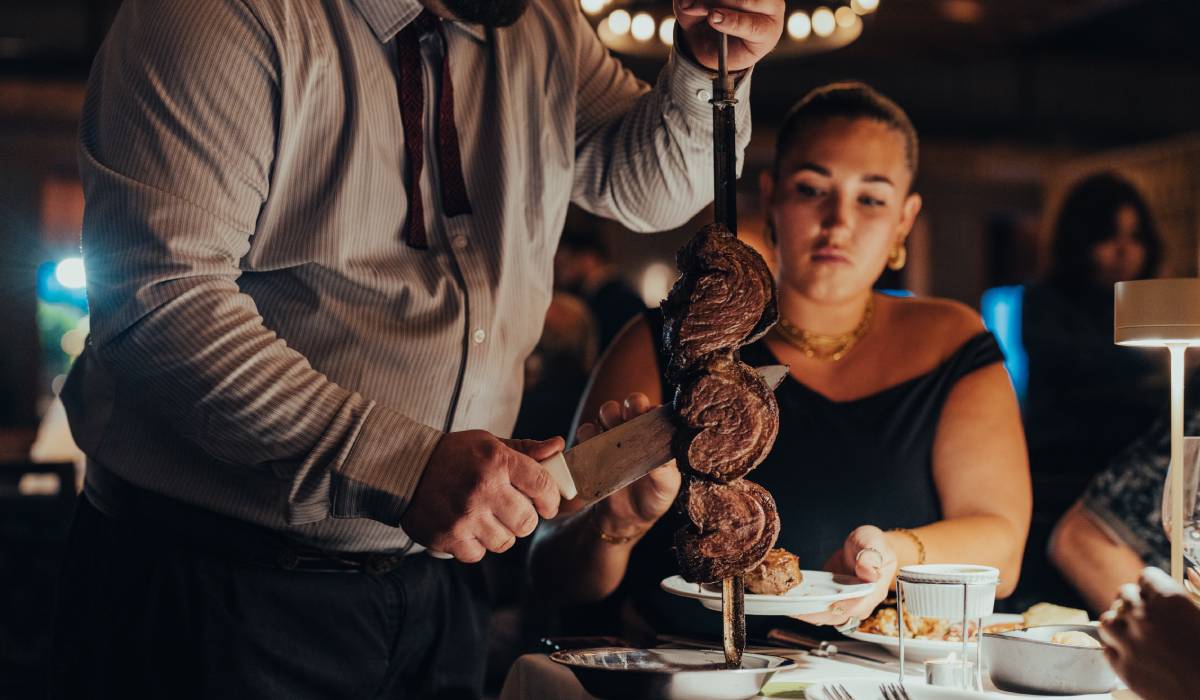
As Harrison’s latest whitepaper highlights, hospitality brands that outperform don’t treat service as an interaction. Rather, they design it as a system. From independent icons like Sally’s Pizza in New Haven, where multigenerational community loyalty meets product consistency, to global concepts like Fogo de Chão, where immersive, layered touchpoints redefine what premium casual dining looks like, the pattern is clear: service must be orchestrated across people, process, and platforms.
This orchestration starts with data. Can your host recall a guest’s last visit? Can a server recognize a loyalty member and upsell a curated experience? Can your digital interface reflect personal preferences from past interactions? If not, service remains reactive and today’s guest expects more.
Loyalty is a Platform, Not a Program
Too many operators still treat loyalty as a bolt-on marketing tool. But brands leading the next wave of hospitality treat loyalty as infrastructure that’s integrated into ops, tech stacks, menu strategy, and performance measurement.
The shift is visible across categories. In high-volume restaurant groups, loyalty programs now function as the connective tissue between touchpoints. They generate behavioral data, fuel real-time personalization, and serve as early indicators of churn or satisfaction. Critically, they allow brands to model guest lifetime value with precision turning episodic visits into predictable revenue.
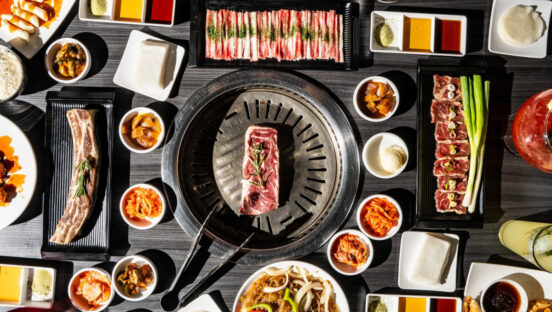
Take Fogo de Chão again: the brand’s loyalty strategy extends from the churrasco dining floor to its Next Level Lounge, where curated cocktails, rare spirits, and even a cigar program in select locations provide elevated experiences for high-value guests. The butchery concept builds on that by offering dry-aged premium cuts and pairings for take-home enjoyment, extending the brand relationship beyond the restaurant and into everyday life.
Human Service, Powered by Technology
Ironically, it’s technology that makes high-touch service scalable. But implementation must be thoughtful.
The goal isn’t just digitization, it’s augmentation. AI-enhanced CRMs, real-time feedback loops, and POS-integrated recognition engines can all empower staff to deliver personalized service without friction or inconsistency. These systems should be designed for usability and speed supporting frontline teams, not overwhelming them.
Internal Loyalty Matters Just as Much
The service and rewards mindset doesn’t stop at the guest. Brands with strong internal cultures are building recognition into the employee experience because retention and engagement are now competitive advantages, too.
Harrison’s report highlights tools like gamified performance dashboards, micro-bonus systems, and peer-based recognition programs. These aren’t gimmicks. They’re infrastructure investments that drive alignment, reduce turnover, and increase service consistency.
Empowered teams deliver better service. Better service drives stronger retention. And stronger retention improves margins over time.
The Operators Who Will Win
Looking ahead to 2026 and beyond, the brands that win won’t be those who simply invest in automation or open new formats. They’ll be the ones who build service and rewards cultures that connect meaningfully with both guests and staff enabled by technology but rooted in human experience.
For operators, the mandate is clear:
- Integrate loyalty into the core architecture; not as an app, but as a data layer.
- Make service data accessible and actionable in real-time.
- Ensure every system; CRM, POS, mobile, reflects the guest journey holistically.
- Build infrastructure that honors memory, recognizes value, and delivers delight at scale.
In a world where experience is currency, service and rewards culture isn’t a nice-to-have. It’s the operating system for growth.
Read more in a recently published whitepaper from Harrison, Redefining Global Hospitality: The cultural crossroads of the US & UK: https://www.weareharrison.com/gb/redefining-global-hospitality-the-cultural-crossroads-of-the-us-uk/.
With over 20 years of global experience, Sarah Jenkinson leads the creative vision for Harrison US, guiding teams to deliver immersive, strategically driven brand experiences. Her award-winning work spans continents and categories shaping the future of design through innovation, storytelling, and commercial impact.