
Every operator knows that certain tables drive outsized demand. Window seats, patios, rooftop perches, and chef’s counter stools create more excitement, more requests, and more negotiation at the host stand than any other part of the floor. Given that reality, charging for premium tables seems like an obvious way to generate incremental revenue and reduce friction. But many operators hesitate because they fear customer pushback or comparisons to airline-style fees.
Recent evidence suggests those fears may be overstated. Sky Garden in London has an incredible view and found that almost everyone wanted a window table. Not surprisingly, this caused a lot of stress for the staff and disappointment for many of the guests. They decided to start charging for window tables. What they found that charging for window tables not only drove meaningful advance revenue but also reduced guest disappointment and smoothed the seating flow. Guests who paid for the upgrade were highly satisfied, and the operation saw fewer conflicts around “who gets the good tables.” That real-world example lines up almost perfectly with the results from two new consumer studies I ran with more than 600 US diners.
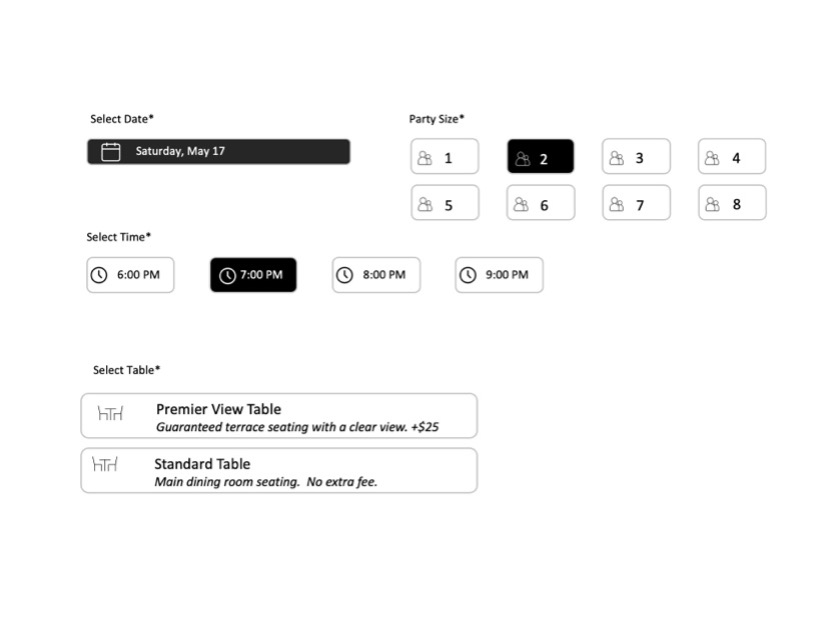
In the first study, participants viewed a mock reservation page offering three options: a Premier View table for a 25-dollar surcharge, a Standard table at no extra cost, and a ‘Surprise Me’ option that assigned the best available table on arrival. The “Surprise Me” option was the most popular, chosen by 45 percent of respondents. Many described it as low risk with a possible upside: they might get the view table for free, and even if they didn’t, nothing felt lost. About 37 percent selected the Premier View table, and Standard seating was the least requested. Overall, the surcharge was rated as moderately fair, acceptable, and understandable, especially among those who chose the premium table.
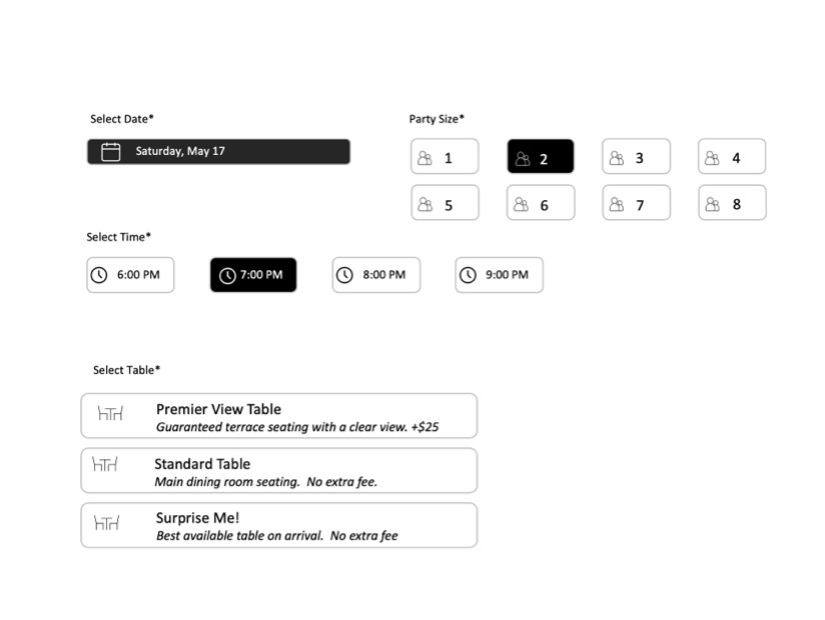
In the second study, I removed the ‘Surprise Me’ option and offered only two choices: Premier View or Standard. Premium selection jumped sharply, from 37 percent in the three-option setup to 52 percent in the simplified version. This pattern held across age, income, gender, and dining frequency. When the choice was clearer, more diners opted for the guaranteed experience.
Across both studies, the message was consistent: guests want clarity and control. Many are willing to pay for a specific experience, particularly during high-demand times, and optional seating upgrades generate less resistance than operators often expect. And, as the manager of Sky Garden said “With food and beverage there’s always a margin, but with the window seat charge, every pound goes straight to the bottom line.”
For restaurants considering this approach, the safest way to begin is during naturally busy periods when guests already recognize the value of premium tables. If you are unsure how your guests will respond, start with the three-option structure. The “Surprise Me” choice acts as a gentle introduction and provides valuable information about what guests value. Once comfortable with the process, moving to the two-option model is likely to increase revenue, as the research shows.
Success depends on clear communication. Guests respond best when the offer is simple: a guaranteed table with a specific feature for a known price. No complex systems or dynamic-surging algorithms are required. A straightforward message and consistent delivery are enough to create real value for both the restaurant and the guest.
The real barrier isn’t the guest. It’s the operator’s fear of trying something new. Guests already recognize that some tables are more desirable, and many are willing to pay for the guarantee. A simple upgrade option formalizes what already happens informally and can generate meaningful revenue with almost no added work. The risk is small, and the return can be significant.
Sherri Kimes is an Emeritus Professor at Hotel School at Cornell and specializes in pricing and revenue management. She has actively involved with teaching, conducting research and consulting in restaurant revenue management for the past 25 years. She is passionate about helping restaurants increase profitability. She can be reached at [email protected].