
Editor’s note: This is the fourth in a multi-part series that will look into the state of full-service restaurants for the coming year. The first part explored finances. The second, labor. The third, inventory and menus. The next will cover marketing and loyalty.
Progressing to the omnipresent arena of off-premises, it’s a channel that proved resilient across 2025, per TouchBistro’s full-service operator survey, with 81 percent of respondents seeing increases in takeout/delivery sales. Among those reporting gains, sales jumped an average of 33 percent—consistent with 2024. Does this suggest off-premises business growth has, at last, settled after post-COVID spikes?
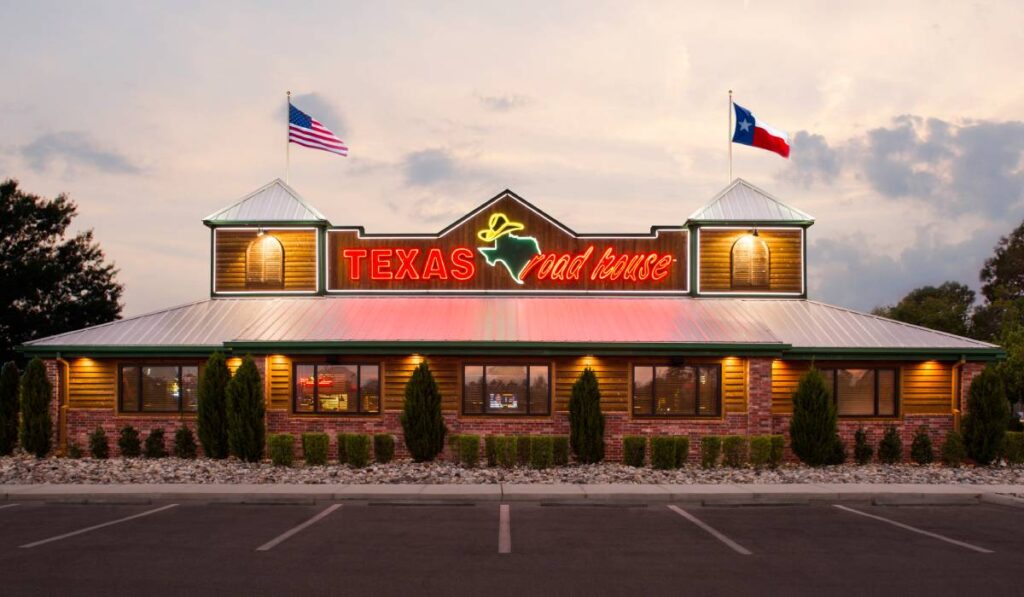
To paint one case, Texas Roadhouse, a brand that leans on takeout and remains resistant to delivery, saw average weekly sales of $118,512 in the week ending March 3, 2020. Of that, only $9,115 came outside the four walls. By March 24, those figures were $29,432 and $25,938, respectively.
Within a week, Texas Roadhouse jolted to-go sales to $41,892, a number that would rise into the high $50,000, low $60,000 range by late April.
In Q2 of 2025, Texas Roadhouse posted average weekly sales of $167,350, including $22,243 from to-go sales.
Its most recent quarter—Q3—was $157,325, with $21,409 in to-go sales.
This feels like a two-pronged calming of the consumer waters. Restaurants have gotten better and more accessible with their takeout/delivery offerings, and are answering new habits. Also, diners are tapping the occasion understanding the parameters.
That latter point typically covers price when you’re referencing delivery. Customers know what they’re paying for—and it was expensive to begin with.
Olive Garden, for instance, struck a deal with Uber Eats after years of avoiding the channel. Now, it’s attracting younger, higher-income consumers paying more than dine-in guests. Delivery mixed 4 percent in Q2 (about half was incremental). Olive Garden took this route on its own terms by using Uber Direct, meaning customers order delivery off Olive Garden’s owned channels instead of third-party. The chain puts the delivery price upfront as a fee and leaves the prices of menu items just as you’d see them if you walked inside. That enables Olive Garden to gather consumer data and be transparent about what it’s charging.
Yet, a larger point being, delivery is a pricy visit for customers willing to pay for the convenience. So, while they might pull back frequency as spend tightens, those who generally use the service tend to be consumers who aren’t as price sensitive as deal-seekers coming through, say, a fast-food drive-thru.
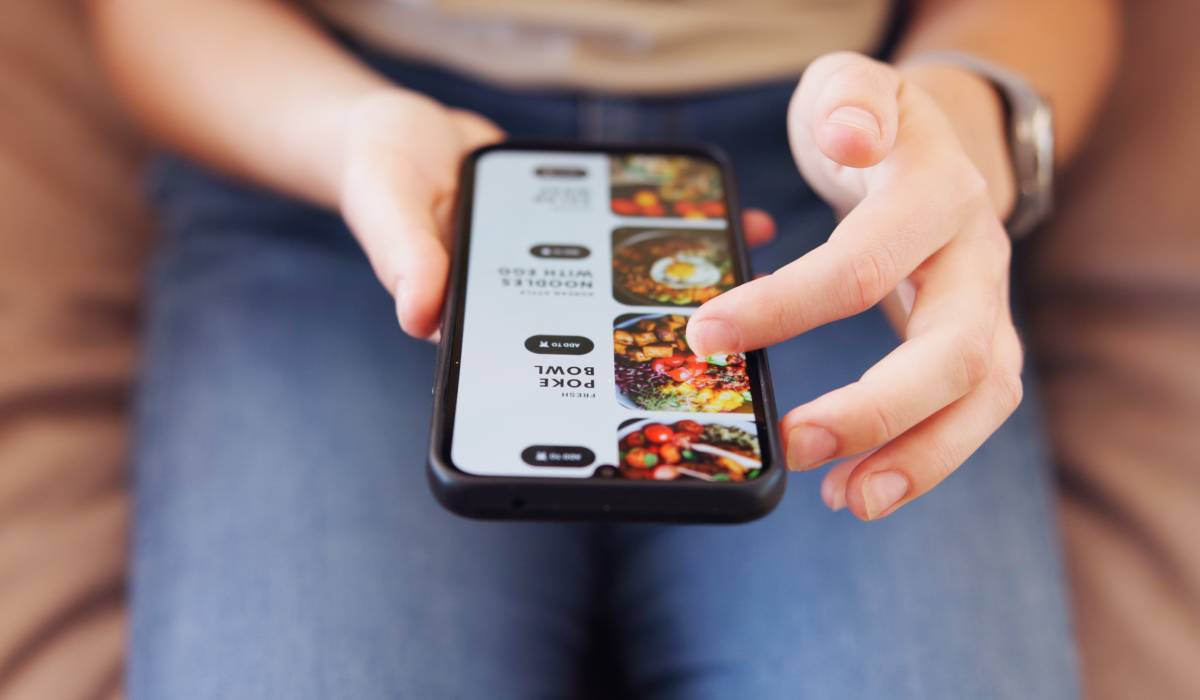
The steady growth, TouchBistro said, reflects a fundamental shift in behavior. Takeout and delivery is no longer a “once-in-a-while” treat; it’s become an everyday staple for many. To keep up with growing demand (mostly around speed and quality) without sacrificing dine-in experience, 36 percent of operators said they implemented order-ahead or pre-schedule online ordering solutions.
The payoff for implementing online ordering was significant. Since adding these programs, the survey showed, operators witnessed overall sales volume increase by an average of 18 percent, up from 16 percent in 2024. Naturally, added volume leads to added challenges.
What those are isn’t novel, although it’s worth arguing consumers are more aware of them at this point than previously. That’s not to say they forgive and forget experience busters, like cold food, but there are gains to be had in executing through a channel where expectations are uneven.
Operators cited maintaining quality (17 percent) as their No. 1 online ordering challenge, followed by balancing online orders with in-venue dining (13 percent) and preparing orders on time (11 percent).
TouchBistro said red flags uncover a common theme—operators worry off-premises experience can still undermine dining room standards (and at a higher price to guests who may, or may not, be familiar with the restaurant’s experience inside).
Food that sits too long, orders that arrive with mistakes, or packaging that can’t hold temperatures, the company said, all chop away at the overall vision operators work to deliver.
Hence, when evaluating online ordering platforms, operators placed reliability (31 percent) atop the list. POS integration (23 percent) and cost/fees (19 percent) followed.
“Their priorities tell a story,” TouchBistro said. “Platforms that are unreliable or difficult to manage often lead to lost orders, unhappy guests, and avoidable operational headaches.”
Top online ordering challenges in the past year
- Maintaining quality: 17 percent
- Balancing online orders with in-venue orders: 13 percent
- Preparing orders on time: 11 percent
Biggest considerations when choosing an online ordering solution
- Reliability: 31 percent (up from 28 percent in 2024)
- POS integration: 23 percent
- Cost/fees: 19 percent
While Olive Garden’s example is unique (few full-serves in America are going to take that leverage to the bargaining floor), most operators in the survey reported using a variety of online ordering platforms. On average, they were deploying three—a mix of first-party and third-party services. Nearly half (46 percent) installed a hybrid approach.
When it came to first-party, DoorDash Online Ordering was the lead service, with more than half of respondents using the platform., Uber Eats was at 76 percent adoption (much higher than 58 percent in 2024) to front third-party. DoorDash jumped to 58 from 20 percent.
Although a lot of that is geographical, it does point to a landscape where full-service operators are actively evaluating which platforms deliver the best combination of reliability, reach, and reasonable fees. And the willingness to switch highlighted dissatisfaction with the status quo, or perhaps an understanding you can’t settle for mediocrity with so much parity in the marketplace.
Online ordering platform usage
- Uber Eats: 78 percent
- DoorDash: 58 percent
- Grubhub: 33 percent (down from 44 percent, year-over-year)
- Postmates: 24 percent (down from 36 percent)
TouchBistro’s lead takeaway was a straightforward principle: treat the channel with the same attention you do dine-in. That means investing in reliability over lower fees—cheap platforms that fail at peak cost more in the long-run that upfront quality. Design for off-premises, don’t adapt. So, think about what items travel and whether it makes sense to build an off-premises-specific menu rather than sell everything that’s available normally.
Lastly, balance dine-in and off-premises so customers who do show up don’t feel like they’re queued behind an “invisible guest.” Technology, not overloading staff who need to focus on other duties, and training are solid places to start.