
As much as consumer habits are evolving, they remain the same. Despite increasing trends such as the sober-curious movement, alcohol consumption has remained consistent over the past 85 years. Consumers continue to spend on alcoholic beverages, with beer in particular showing promising signs of growth for channels that promote social interactions. From 2023 to 2024, the beer category experienced a year-over-year increase of 3.1 percent, a trend that is especially welcome news for restaurants seeking to bolster profitability in a dynamic economic environment.
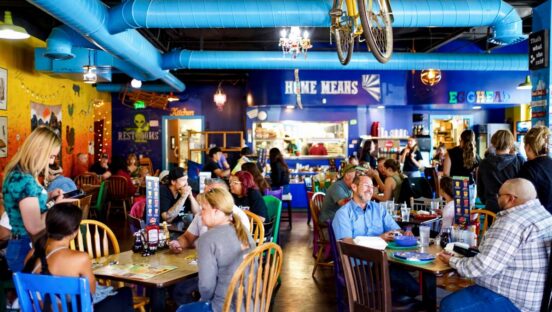
Consumers continue to show a preference for where they spend their food and beverage dollars. Although overall spending in the category is trending slightly downward, according to the U.S. census bureau, consumers continue to prioritize dining and drinking experiences away from home. The appeal of socialization, ambience, and full-service hospitality is drawing patrons into restaurants, bars, and other on-premise establishments. Compared to at-home food and beverage spend, outside-of-the-home experiences maintain a substantial share of total dollars spent. Despite economic uncertainty, consumers are increasingly reluctant to give up these experiences.
Data from the National Restaurant Association reinforces this pattern. Among full-service restaurants that offer alcoholic beverages, drinks represent nearly 21 percent of total sales. Within that category, beer remains a dominant force, particularly among craft, imports, and other super premium priced products.
There are distinct trends in the beer preferences that are resonating with today’s on-premise patrons. Based on data sourced from Fintech, which aggregates purchasing data from more than 130,000 on-premise establishments (including restaurants, bars, and similar venues), draft beers continue to account for the majority of orders. In Q1 2025, kegs represented 55 percent of on-premise beer package share, followed by bottles (26 percent) and cans (19 percent). This reflects a modest increase in draft preference compared to Q1 2024, when kegs held a 52 percent share, indicating a growing inclination toward beers served fresh from the tap.
For both consumers and restaurant operators, draft beer represents a winning proposition. It offers a fresher product, often at a better margin, and aligns well with the social aspect of on-premise dining. From casual sports bars to elevated gastropubs, tap handles are a critical part of the beverage strategy, and certain brands are leading the way.
Michelob Ultra maintained its dominance in the draft beer category for retailer purchases. In Q1 2025, it held nearly 16 percent of on-premise draft beer dollar share. This places it ahead of other major players including Miller Lite, Coors Light, Modelo Especial, and Bud Light, which round out the top five. The enduring success of these brands speaks to consumer preferences for well-known, consistent, and approachable options that pair easily with a range of menu offerings.
Premium Plus Lights, which the NBWA defines as domestically produced light beer that sells at a premium, such as Michelob Ultra, Bud Light, Miller Lite, Coors Light, claimed the largest share of dollars at on-premise establishments, with 42.5 percent. These beers offer a lower-calorie, lower-ABV profile that appeals to a wide demographic, especially among health-conscious but still indulgent consumers.
The Import category ranked second, with a 24 percent dollar share. This segment includes popular global brands like Modelo Especial. These offerings appeal to diners who are seeking premium experiences or international flair in their beverage choices.
Craft beer, which includes a diverse range of independent and regional breweries, held the third position with a 17.3 percent share of dollars. While this category has seen its growth slow slightly in recent years, it remains a vital part of the on-premise landscape, particularly in markets where local provenance and artisanal production carry strong appeal. Rotating taps, seasonal offerings, and limited-edition brews help keep this segment dynamic and attractive to beer enthusiasts.
Non-alcoholic beer, while representing a small overall share of dollars on premise (1.1 percent) saw a small lift from Q1 2024 to Q1 2025. Many leading suppliers are offering non or low-alcohol alternatives to their mainstay brands (such as Heineken Zero), and these offerings are appealing to a small, but growing, consumer segment.
The variety of popular beer categories offers full-service restaurants the opportunity to craft balanced beer menus that cater to both mainstream and niche preferences. By tapping into real-time data and consumer behavior trends, operators can optimize their beverage programs not only to increase sales but also to enhance the overall guest experience. As dining trends continue to evolve, revisiting alcoholic beverage options, including beer, is a reliable and resilient cornerstone of on-premise success.
Lester Jones, CBE, is VP Analytics and Chief Economist for the National Beer Wholesalers Association.