
Editor’s note: This is the latest column in a recurring series by James O’Reilly, multi-time industry CEO (Ascent Hospitality, Smokey Bones, Long John Silver’s, and former Sonic and Yum! Brands executive). O’Reilly explores industry hot topics and offers a roadmap for how operators can win over consumers in an ever-changing restaurant dynamic. The first story, on what drove traffic last year, is here. The second, on why pricing alone won’t fix the problem, is here. And the third, on how pressure reveals the strength of a brand, is here.
The restaurant industry has moved into a more demanding phase of its cycle. Traffic is uneven. Promotions are widespread. Growth assumptions are being tested. At the same time, some brands are clearly gaining momentum while others are not. This is not a mystery. In the current industry environment, performance tends to follow leadership discipline.
Come hear James speak in person at the QSR Evolution Conference! Reserve your spot today.
The companies executing well today are not reacting differently, they are operating differently. In my experience, strong restaurant leadership teams focus on a small number of disciplines when the market softens. These disciplines are not new. But in tougher environments, they become more visible, and far more consequential. Those leadership disciplines are:
Protect Traffic Quality, Not Just Traffic
Traffic that is bought behaves differently than traffic that is earned. The restaurant industry has been experiencing negative traffic offset by pricing, yielding positive comps overall. Within that mix, performance varies widely. Some businesses are in turnaround situations, while others are leaning heavily into promotions to drive traffic. Circana reports that in late 2025, about 30 percent of restaurant visits were tied to some kind of deal, historically high levels. There is justification for discounting after several years of price increases, but the pressure to deliver traffic has weighed heavily on management teams, in some cases creating margin pressure, shifting brand perception, and turning discounting into a habit.
I have seen this dynamic firsthand. The pressure to grow traffic through affordability strategies is real. However, the most effective leadership teams recognize that not all traffic is created equally. The best promotions treat discounting as a targeted lever, validated in testing and balanced with premium offerings for less price-sensitive guests. McDonald’s is a clear example, simultaneously offering aggressive value alongside premium products. Some traffic is purchased, but much is earned through disciplined product and promotion strategy. The result is a higher-quality mix than competitors whose plans are dominated by discounting. Leadership ultimately decides what kind of demand a brand is building.
Protect Unit Economics Relentlessly
Unit economics are not the result of strategy, they are the result of disciplined execution.
Target unit economics should be defined in the strategic plan of most restaurant companies. That is especially important in today’s environment, as costs remain structurally elevated versus pre-2020 levels. Recent earnings calls continue to cite margin pressure from labor and promotions. Starbucks, for example, outlined a $2 billion cost-savings pipeline across more than 90 initiatives. Restaurant companies are more accustomed to having menu innovation pipelines than they are cost savings pipelines, but both are equally important. Having proactive strategies to protect and drive your prime cost without suffering unacceptable levels of transaction erosion is a best practice for restaurant leadership teams.
To drive labor efficiency, develop a true productivity-based model with high quality forecasting. Engage a labor consultancy if necessary to spend time in your restaurants, measure your work flows by job type, and develop an understanding of how many hours you should be using in each location each day. To improve COGs, the most effective approach is to build a pipeline of cost-saving ideas, often sourced from operators & franchisees, and test them against three criteria: does the idea deliver savings, does it maintain the guest experience, and can it be executed consistently? While these efforts don’t generate headlines, they transform prime cost from an uncontrollable outcome into a strategically managed driver of performance. Strong unit economics create flexibility; weak ones remove it.
Be Disciplined About Growth
Growth does not create value, disciplined growth does. The key mindset shift is moving from growth signaling to return discipline. That shift is increasingly visible across the industry, with more closures, rationalization, and selective development. Strong companies are tightening site criteria, raising return thresholds, and aligning growth with franchisee economics. They are more willing to say no (even when growth is celebrated) because they understand the long-term cost of risky decisions. These types of changes are re-underwriting how growth works in the industry. Some companies have always operated this way. Others are adapting as conditions require it. Those that do not often experience the consequences later, and all at once.
Stay Deeply Connected to Franchisee Health
Franchisee health is not a lagging indicator; it is the earliest signal of whether a system is working. Franchisees feel pressure first, and their economics ultimately determine how the system is performing. Recent headlines around franchisee stress and bankruptcy highlight what happens when alignment breaks down. While some situations are unavoidable, many are not. Strong leadership teams stay connected through frequent engagement and a clear focus on franchisee unit-level economics. Monthly advisory calls and regular dialogue help ensure early signals are not missed.
Relationships built on trust and transparency create stronger systems. Leaders who acknowledge challenges and take responsibility for mistakes build credibility with their operators. By contrast, weaker systems lose that connection. They miss early signals, drift out of alignment, and allow problems to build. Systems don’t break all at once, they weaken gradually, then visibly.
Maintain Brand Clarity in a Noisy Market
In a noisy market, clarity is not a marketing advantage, it’s a strategic one. Promotion-heavy environments can create strategic drift, as leadership teams shift tactics too frequently without reinforcing a clear direction. Strong brands remain focused. They reinforce their positioning, prioritize core menu categories, and consistently deliver on their customer promise. Many of the success stories in today’s industry reflect this approach; consistency, simplicity, and disciplined execution around a clear identity. These brands are not chasing every opportunity; they are building on a strong foundation. When conditions are favorable, a lack of clarity can be overlooked. But when the environment tightens, it becomes a structural weakness.
Clarity Compounds. Inconsistency fragments.
Softer markets feel uncomfortable. They compress margins, challenge assumptions, and force harder decisions. But they also create clarity. When demand is abundant, many strategies appear to work. When it slows, only the disciplined ones do. The companies performing well today are not relying on new ideas. They are executing a few critical disciplines with consistency and intent. Leadership doesn’t change when the market gets harder, it simply becomes easier to see.
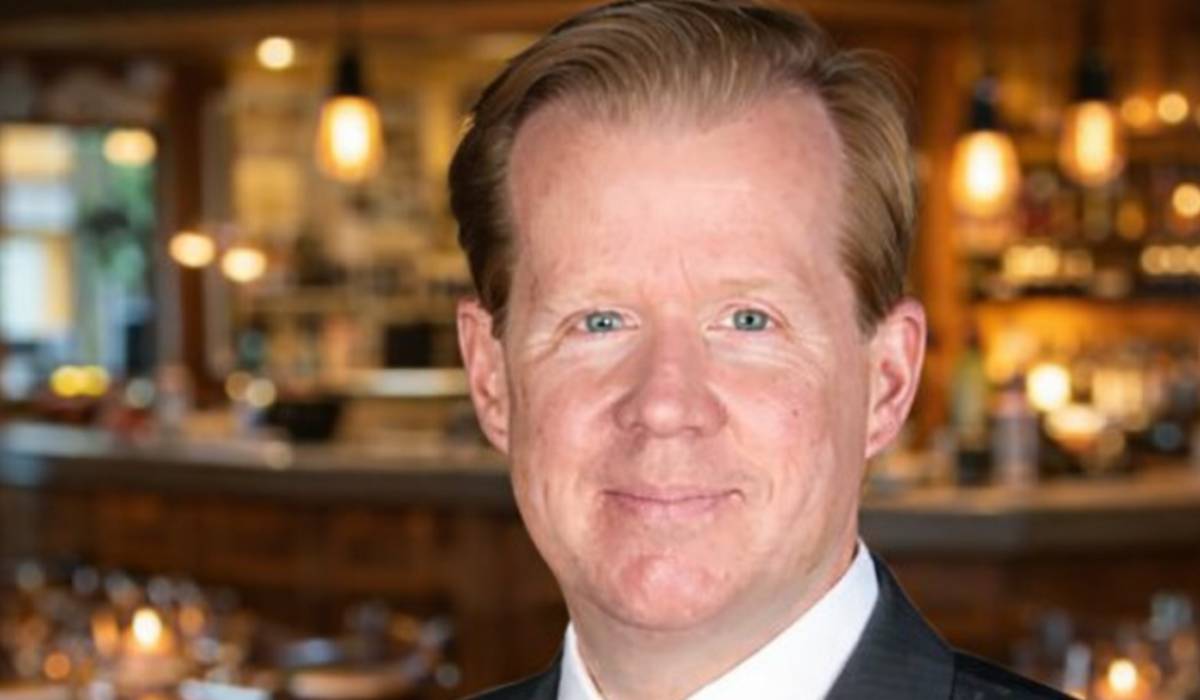
James O’Reilly is an award-winning CEO and board-level leader with more than 25 years of experience driving growth and transformation across public, private, and PE-backed restaurant and consumer businesses. He is a 10-year private company CEO with 15+ years of experience in restaurant and CPG marketing. He was recognized as a 2025 Georgia Titan 100 CEO. His brands have earned Newsweek America’s Favorite Restaurant Chains honors and he’s been a featured speaker at FSR’s NextGen Restaurant Summit.