

Now that we’re nearly halfway through 2026, we’re seeing the hospitality trends anticipated from 2025 taking shape and moving from predictions into actual practices, showing up in everything from globally driven menus to more intentional approaches to sourcing, wellness, and value.
Lending their expert perspectives on 2026 industry trends to watch are members of Les Dames d’Escoffier International (LDEI)—a philanthropic organization of women leaders in the F&B and hospitality industries.
Across their insights, a clear throughline emerges and points to an industry balancing innovation with intention. Operators are still navigating economic pressures, labor challenges, and new technologies while simultaneously responding to consumers who crave connection, transparency, and creativity.
Kate Howell highlights the continued rise of borderless flavor—where Malaysian, Korean, and Latin influences are no longer niche but central to menu innovation, alongside the evolution of tea into a dynamic, experience-driven beverage category.
Stephanie Jaeger points to a dining culture grounded in balance, where low-alcohol beverages, hyper-local sourcing, and distinctive cuts of meat create experiences that feel both elevated and approachable.
Kara Nielsen underscores shifting consumer behavior, from the impact of GLP-1 medications on how and how much people eat to the rise of maximalist beverages, “little treat” bakery culture, and the growing desire for real-world, shareable experiences.
Meanwhile, Barbara Sibley brings the operational lens into focus, noting ongoing cost pressures and labor shifts, alongside a renewed emphasis on value, comfort, and the increasing role of AI in streamlining restaurant operations.
Taken together, these perspectives capture a hospitality industry that is adapting in real time, blending creativity with realistic expectations, and innovating with intention as 2026 continues to unfold.

Kate Howell, LDEI 3rd Vice President
Flavors Without Borders
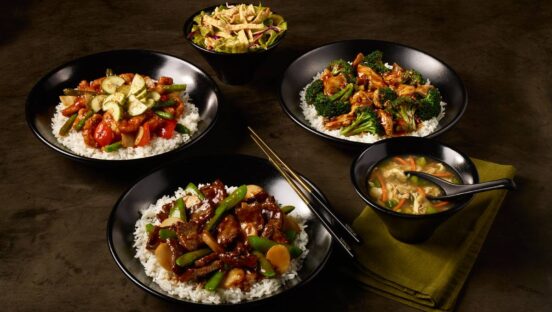
The appetite for global cuisine is no longer just “novel” but increasingly mainstream. Expect significant growth in flavors from Malaysia, Korea and South America (especially Brazil, Venezuela, Peru, Colombia).
Menu architecture will lean into bold pepper, fermented pastes (like gochujang), intense umami sauces and global mash-ups: e.g., a South American-Korean fusion, or Malaysian rendang with Latin-style chimichurri twists.
Tea Tonic & Beyond Traditional Drinks
Tea is reinventing itself. Beyond hot cups, we’ll see more flavor-led tea tonics — iced, fermented, botanical forward, cocktail-adjacent.
The trend aligns with the broader shift toward flavor-rich, premium non-alcoholic and lower-alcohol drinks, especially among wellness-and-experience-motivated consumers.
– For hospitality operators, this means “tea” is no longer a static category: think “tea bar”, “tea tonic pairing”, “botanical tea cocktail”
Sustainability Deepens: Provenance, Welfare & Plant/Hybrid Ingredients
Sustainability is no longer about “should do” but “how well we do it.” Expect elevated consumer expectation around animal welfare (e.g., grass-fed beef), natural grazing systems, transparent supply chains and regenerative agriculture.
At the same time, plant-based and hybrid proteins (pea, wheat, mixed botanical proteins) continue to mature — not just as “me-too” alternatives, but as integrated, flavor-worthy main courses.
Sweet Adventures & Dessert Globalisation
Dessert will take on more global currency: Japanese petit fours, Korean croffles, Latin American desserts and novel format hybrids (sweet + heat, sweet with herbal note).
Consumers will treat desserts as part of the exploratory journey — more than just “finish of the meal” but a statement course, social-media friendly and experience-driven.
Digital-Physical Dining Ecosystems & Community/Connection
Hospitality formats will continue to blur: online to offline, livestream to supper club, subscription to pop-up. The digital footprint of a hospitality brand (engagement, community, content) becomes just as important as the on-site experience.
The demand for community, culture and connection remains strong: guests increasingly want to know the “why” behind their dining, relate to the story and feel part of something.

Stephanie Jaeger, LDEI Immediate Past President, JOEY Restaurant Group
Low-Alcohol Beverages
Drinks that allow the consumer to socialize without the after-effects of traditional cocktails. Lower-ABV spritzes, fortified wines, and sessionable cocktails offer balance, flavor, and moderation—fitting perfectly with wellness-forward dining habits.
Elevated Culinary Experiences With a Farm-to-Table Influence
Diners are gravitating toward experiences that feel both elevated and grounded. Menus that highlight seasonal, hyper-local ingredients—served with refined technique but without pretension—deliver the sense of luxury but also uniqueness.
Unique Cuts of Meat & Butcher-Driven Dishes
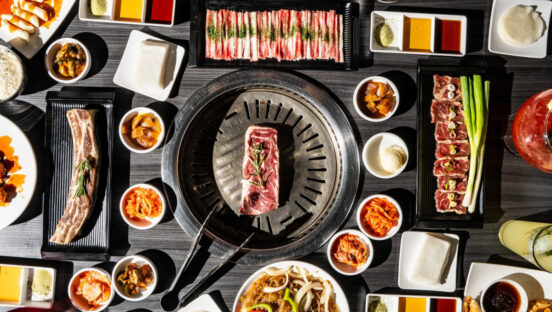
Curiosity and culinary adventure continues. Cuts they wouldn’t prepare at home, this isn’t about budget—it’s about offering something distinctive and memorable
A New Era of Farm-to-Table: Quality Over Quantity
The focus has shifted from simply using local produce to celebrating nutrient density and varietal diversity. Why is an ingredient special—why a kalette is different from kale, or why a specific tomato variety tastes better. It’s farm-to-table, version 2.0: smarter, more intentional, and driven by superior quality.

Kara Nielsen, LDEI San Francisco Chapter President, Trendologist
GLP-1 use in 2025 and 2026
2025 saw an increase in the use of weight loss medications which is impacting retail grocery buying, restaurant dining, and social gatherings. Those taking GLP-1s are snacking less and focusing on nutrient-dense foods high in protein and fiber for the few calories they are consuming each day. Protein bars and meal replacement shakes, Greek yogurt snacks, and fiber supplements are stepping up to support people in their new regimes. For 2026, changes in health insurance and medication coverage could cause a shift and cause many users to drop the medications if they can’t afford them. However, if prices of Ozempic and other GLP-1s go down, as current news from the Trump administration may indicate, that would mean a big increase in use and impact on the food industry at large. For restaurant operators, it’s time to add snacking plates, high-protein mini-meals and other offerings that lure diners who are not really that hungry but want to join friends and family dining out.
Beverage Mania
Dirty sodas were a hot topic for restaurants, QSRs and specialty soda shops in 2025. Will this trend continue? It’s more likely to morph into a broader trend of maximum layers, toppings and garnishes on all kinds of drinks, from coffees to matcha to milkshakes and more. Layers of flavored cream, crunchy dessert-like crumbles or actual treat garnishes, multiple flavors and colors in the glass, and more inclusions like boba and jellies will appear on more styles of drinks, blending the boba tea drink trend with dirty sodas and coffee lattes. It will be a big mash-up that will also likely spur a counter-trend in simplified, pure offerings without all the hoopla. Coffee flavors on top for next year include more banana coffee, more fruit-flavored coffee (guava, mango), and also a rise in Yemeni coffee shops, new gathering places that are open late at night and that offer enticing food and drink.
Real Experiences
Restaurants can entice diners away from screens and AI chatbots with engaging offerings in 2026. Tasting flights of food and drink of all kinds, shareable party platters, food and music combos, and celebrity co-branding collaborations will attract consumers away from their phones and tablets and into a real-life experience. Consider creative pop-up installations to extend a brand experience, new partnerships in design, music, entertainment AND food, and engaging online content to drive people to onsite experiences.
Value & Comfort
Times are likely to get hard in 2026 due to political, economic, environmental and social challenges. If the economy goes south, plan for lower-cost value offerings, perhaps smaller in size, but just as tasty and special as standard fare. Meal deals, promotions and coupons will help those experiencing challenges. This also means that comfort food takes a more important place, though don’t forget that comfort is in the eye of the beholder. With today’s diverse population, comfort can range from a creative cinnamon bun to a warming bowl of pho to traditional Latin dishes. Design comfort offerings in line with your menu and brand and communicate with empathy and warmth.
Bakery Adventures
Gen-Z’s love of ‘little treats’ seemingly has no end and has fueled a huge rise in creative artisan baking across the country. Mostly based on laminated doughs, today’s baked goods are a platform for a huge variety of global flavors that will only grow in 2026. Middle Eastern-and Asian-accented croissants and cinnamon buns, layered honey cake, squishy fiilled beignets and pretzel croissants are just some of the baked goods appearing in bakeries across the US and which could find homes on more styles of restaurant menus — for brunch or even dessert.
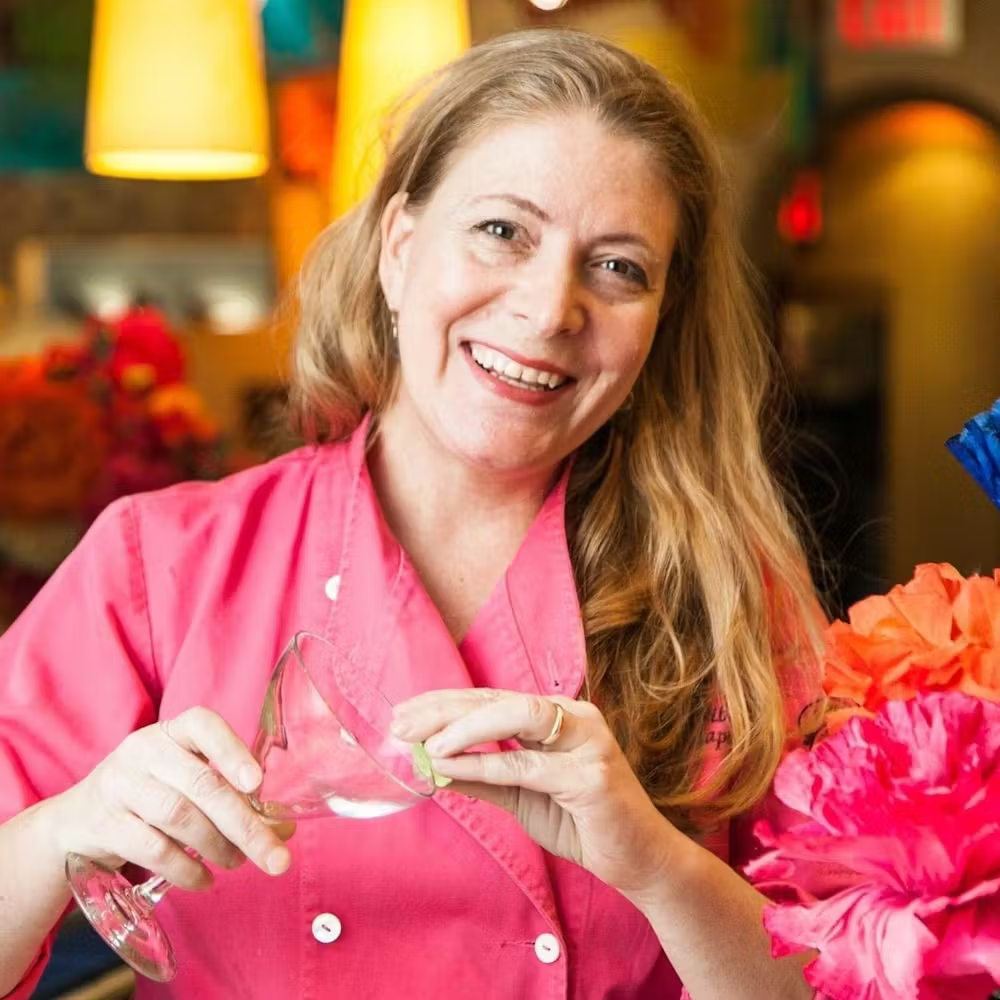
Barbara Sibley, LDEI New York Chapter President, CEO La Palapa, Creative Director Holiday Cocktail Lounge
Price Volatility & Tariff Uncertainty (2025)
Ongoing trade tensions and the threat of new tariffs on imported goods have kept ingredient costs unpredictable, forcing operators to constantly adjust menus and pricing strategies.
Demographic & Labor Shifts (2025)
The lingering effects of pandemic-era workforce changes continue—many experienced workers left the industry permanently, leading to a younger, less stable labor pool and higher wage pressures.
Operational Strain from Fixed Costs (2025)
Rising insurance premiums, rent, and utilities remain major burdens, with slim margins challenging even established restaurants. Many independents are advocating for policy reform or industry-wide cost reevaluation.
Value Over Luxury (2025)
Diners are seeking quality experiences that feel affordable—favoring mid-priced restaurants, shareable menus, and transparent pricing over high-end excess.
AI Integration Accelerates (2026)
Artificial intelligence will become a practical tool for scheduling, inventory management, menu design, and even personalized customer engagement, helping operators control costs and predict demand.
Health & Comfort Rebalance (2026)
Expect a blending of wellness-focused dining and nostalgic comfort foods—menus that promise both nourishment and emotional satisfaction.
Hopeful Industry Recalibration (2026)
There’s growing optimism that 2026 will bring a reset in real estate and insurance markets, potentially easing fixed costs and allowing restaurants to reinvest in staff, sustainability, and innovation.