
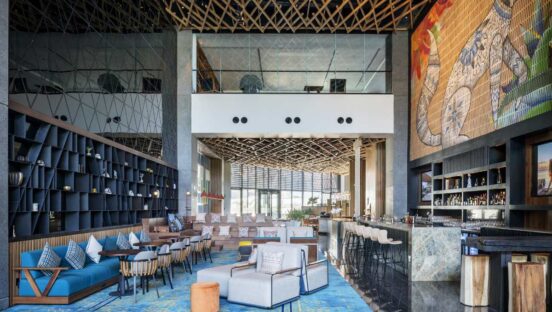
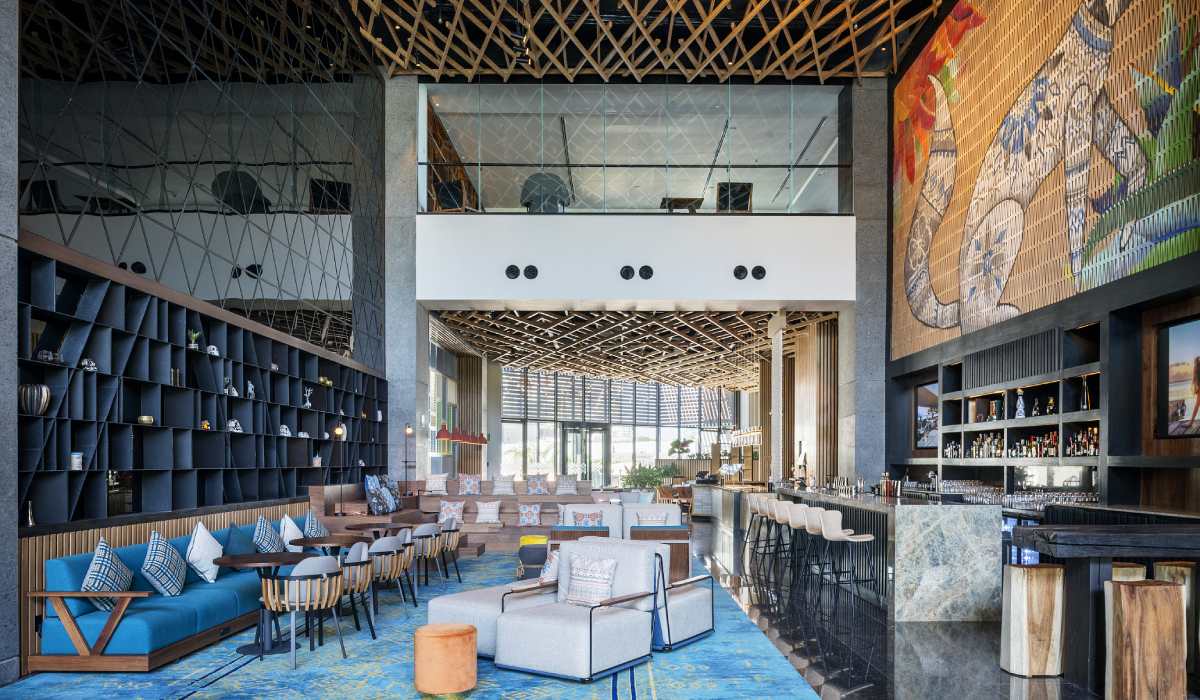
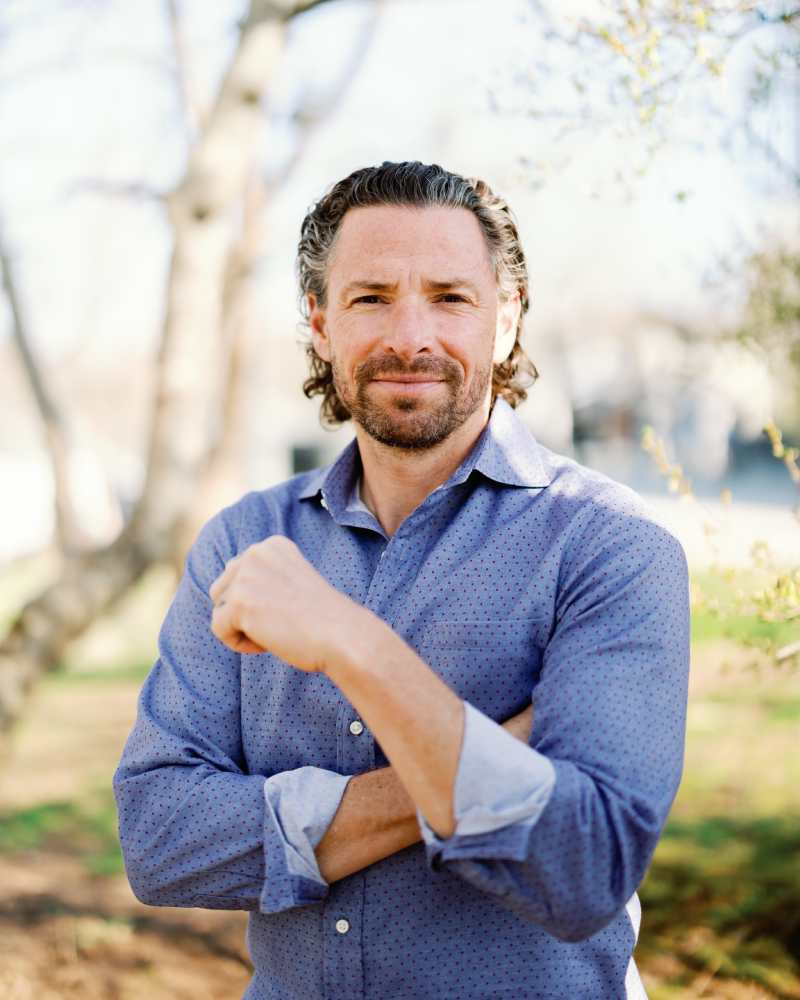
For Jacob Sessoms, the true measure of success is not about getting awards and accolades, or even creating a personal legacy; rather, it’s about creating an environment where he and his team can find contentment and fulfillment in their work. He’s the founder and chef-partner at Perfectly Ad Hoc Hospitality Group, and opened Golden Hour, a woodfired chophouse restaurant, a 125-person capacity rooftop bar, and a cafe and bar called Afterglow inside boutique hotel The Radical in Asheville, North Carolina, last October.
Housed in a once-abandoned 1920’s warehouse that was formerly a cereal factory, the hotel has 70 guest rooms. Running three in-house food and beverage concepts in a hotel means Sessoms is a pro at managing many moving parts. “To be on the ground day in and day out and make sure all those pieces fit together, it takes a lot of coordinating, just to make sure that the end result is going to look right, feel right, and work right,” he says.
“It’s incredibly intriguing and fun. And just like any other parts of my career and my job, my vocation, it is very much a people process,” he continues. “It is very much about working with very different people, from interior designers in an office in Miami and New York, or the project coordinator with the general contractor who’s on the ground with a hammer.”
Opening that level of a dynamic project was a new experience for Sessoms. Previously, he had opened the iconic Asheville restaurant Table in 2005. He compares opening a single-unit restaurant versus what he’s doing at The Radical to “giving birth to one child versus giving birth to triplets. There’s a lot of efficiency in the model of having multiple children at the same time … But the headaches are pretty big.”
Slow down and be intentional
From a forward-facing standpoint, Sessoms and his team operate three different concepts, but on the backend, they run the hotel’s food and beverage as one operation, managing orders, inventory, cost and labor analysis, and training managers with the collective power of the whole.
“To some degree, it’s the same as being a chef on a line. It’s the same as running a restaurant all day long. You have 90 things you have to do in order to unlock the door at 8 a.m. and have dinner served on the table for 200 guests throughout the course of your evening service,” he says. “That’s just the nature of work, but it’s not really different than having multiple things going on at the same time in any other business. I think you’re either good at structuring how you think about things or structuring your day, or you’re not.”
When he was younger, Sessoms’ approach was to do as much as he possibly could all the time, as quickly as possible—but that inevitably leads to burnout at some point. Now, at 48 years old, he’s learned that his productivity and ability to work towards profitability is much greater if he slows down and is more intentional about each task, whether that’s managing owners and investors or marketing. “If I slow down and I act with intention, and I keep all that organized in my brain, I’m much better at it. Maybe lots of years of yoga helps, too,” he adds.
RELATED: Restaurateur Jacob Sessoms on Resilience, Community, and Rebuilding Asheville After Hurricane Helene
Keep it simple and keep your ego in check
At Golden Hour, guests enjoy locally sourced, seasonally inspired plates inspired by Sessoms’ long-standing relationships with area farmers, creameries, and butchers. The beverage program serves craft cocktails with a twist alongside a wine list with around 100 bottles, many of which are from natural, organic, and Biodynamic producers.
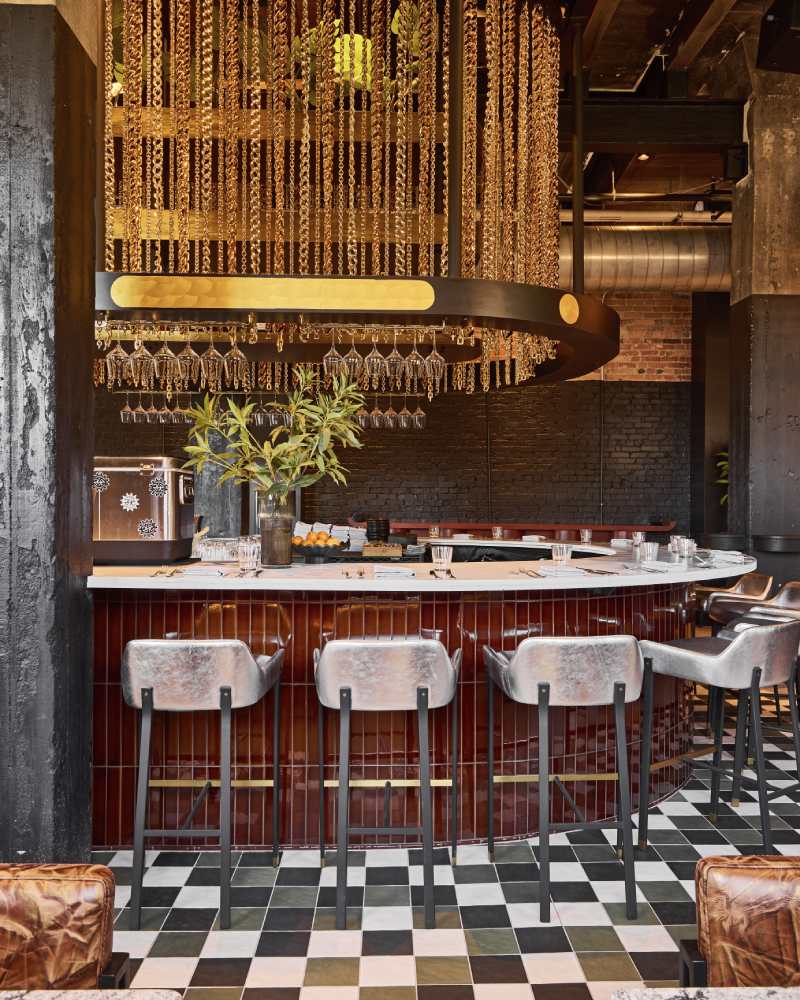
While he still relishes the creative process of menu development, he now focuses more on the big-picture operations, staffing, finances, and management. “I am not so much a chef anymore in my career. I am a start-to-finish turnkey restaurateur,” Sessoms explains. A key lesson Sessoms has learned is the importance of balancing culinary ambition with business acumen. While he and his Chef de Cuisine Kevin Chrisman are dedicated to serving innovative dishes, they also must cater to the oftentimes more mainstream preferences of hotel guests.
Sessoms spends a lot of time talking and strategizing with Chrisman about what works for The Radical’s customers, and how they can acquire more guests while still serving “some of the coolest food in town,” he says, emphasizing that a dual focus on both creative expression and commercial viability is crucial for any chef looking to succeed in a hotel setting. “To me, you can’t have one without the other. I don’t want to open a restaurant or any foodservice business that I am not proud of the product we’re serving. If I’m not proud of the wine list or the cocktail list in a bar, I shouldn’t be doing it. If I’m not proud of the menu, if I don’t think the food is good and fun and current, I shouldn’t be doing it.”
So, how do you balance making approachable food to keep a hotel guest that may not be feeling as adventurous, while simultaneously keeping the local foodies from going down the street to their competitors? To a degree, it has to do with how you actually write the menu and communicate with the guest about your dishes, Sessoms notes, “because different words for the same thing can have a very different effect on sales.”
Golden Hour’s menu uses straightforward language to communicate dishes, from a pork chop with cauliflower and salsa verde to a whole Sunburst trout with a market greens salad and trout caviar buttermilk. Slow cooked lamb comes with Farm & Sparrow grains and peas ‘country captain,’ while wood-grilled small plates keep it simple with fall broccolis with cheddar and winter squashes with vegetable salsa. Foodies can go for the wood roasted bone marrow with herb salad and Parker House rolls, and for traditionalists looking for a twist, there’s “A Play on Caesar” salad with greens, vegetables, trout caviar, and Pappy’s cornbread.
“We can make exactly the same dishes and we can sell 100 of them in a week, or we can sell five, depending on how we word it,” he explains. “Especially the young chef, there’s always a desire to look cool or to look in the know, but writing words on a menu that nobody knows isn’t going to sell food. It’s also not going to get you a James Beard Award. It used to maybe, but it’s not now, and it’s something that I spent years in my career doing. Like, ‘let me see if I can write the most esoteric thing on the menu possible.’ And it’s just kind of immature in a lot of ways.”
Ember Steak’s Executive Chef Cary Roy notes, “There is no such thing as a perfect menu; no single menu will satisfy the masses adequately. The trick is to learn to accept that and remain flexible with individual wants and needs, especially in a hotel setting.” Ember Steak is the newest fine-dining concept at The Meritage Resort and Spa in Napa Valley, California. “As basic as it sounds, our shrimp cocktail is a favorite among guests and diners,” Roy notes. “We took a classic steakhouse staple and tried to reimagine it just enough to satisfy everyone. We kept the basic flavor components intact but changed the perception of what a shrimp cocktail can be by altering the textures and sensory stimulation of the dish.”
Roy adds, “Little by little, my outlook on the culinary world has changed over the years by adopting principles and ideologies from others who have found a better way to express and convey the idea of genuine hospitality.”
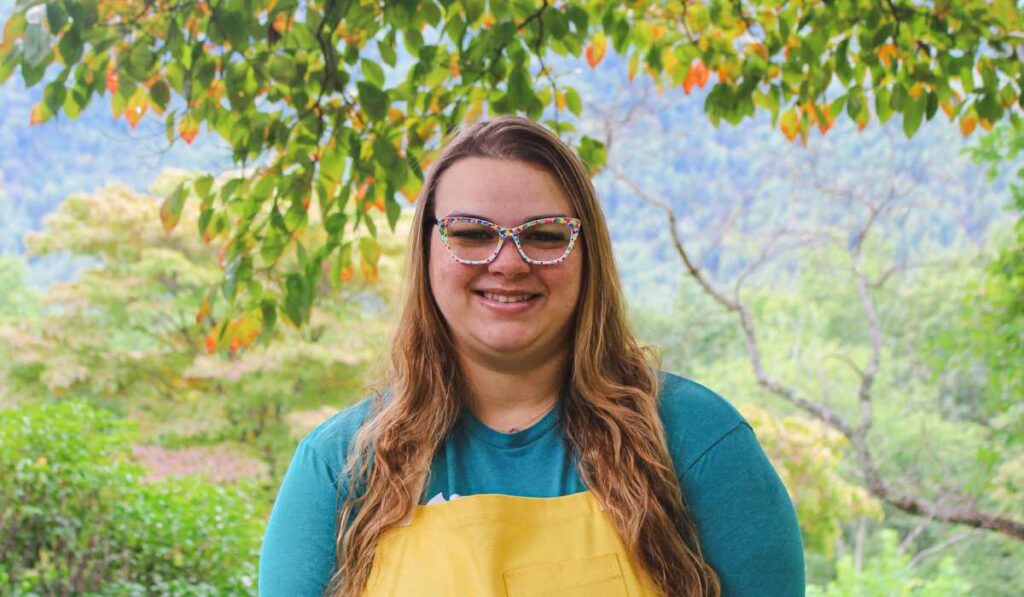
Ashley Cannon, executive pastry chef at Oak Steakhouse at Skyline Lodge in Highlands, North Carolina, echoes Sessoms’ call for simplicity when crafting menus, while still having fun with flavors and highlighting local producers.
“When I create this menu each season, along with looking at the savory components to follow, I think about how each dessert can be celebratory, casual, and simply executed,” she says. “Each plate should be easy to comprehend, [and] flavors should be familiar or different enough to cause curiosity with familiar components. For example, on our current menu we have an Aperol Spritz sorbet served in a coupe glass with candied lemon peel and fresh basil. I would personally love this as a finish to my Bolognese entree and fresh bread rolls with whipped honey and rosemary butter.”
Tucked away in the mountains, Skyline Lodge offers 39 guest rooms and one suite, and is a renovated boutique property from the team at The Indigo Road Hospitality Group. Opened in July 2021, it marks Indigo Road’s first foray into the hotel industry with a full revitalization of the historic 1930s-era lodge. The property describes itself as a playful tribute to a bygone era of motor court lodges and motels with mid-century modern design, with details that pay homage to the surrounding nature. Skyline Lodge’s second floor houses Oak Steakhouse, a contemporary steakhouse featuring cuts of Certified Angus Beef and locally sourced produce from area farms.
Go above and beyond
Opened as the one and only steakhouse in Highlands, Oak Steakhouse has become a go-to for both Skyline Lodge guests and Highlands-area visitors and locals. Personalizing the experience for hotel guests is a key focus, Cannon says, and her team starts taking notes on guest preferences from the moment they check in using OpenTable. Weekly meetings communicate any VIPs coming to the property, and brainstorming sessions on how to make their stay and dinner memorable. “Going the extra mile means a lot to our guests, and it just feels really good knowing you’ve made someone’s day/weekend that much more special,” she says.
Cannon also highlights the role that careful design and offering personal touches can play in elevating the guest experience. “Skyline Lodge is a mid-century modern boutique hotel, and we are very proud of the intimate feel and look we’ve achieved,” she says. “Small details like wooden boards for bread service bring in the mountain and nature aesthetic. Mini cast irons for side dishes bring in the Southern cuisine feel. Warm fireplaces by the bar bring warmth and the feeling of being away in a cabin enjoying a hot toddy. Hues of teal, forest green, navy, and brass, fill the property with a mid-century modern vibe.”
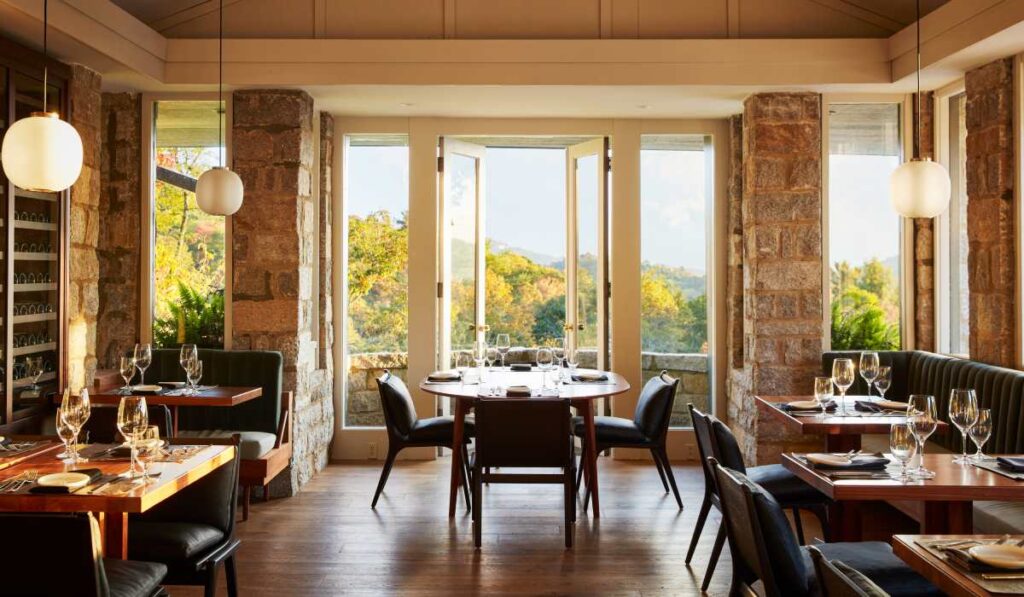
“One of my personal favorites is the leather-bound menus and placemats for tables,” she continues. “The overall atmosphere is like mountain luxury. In our rooms, we gift housemade trail mix in a cute cup with a QR code that takes you to our activities list encouraging you to take your treat and enjoy a hike or waterfall.”
At Oak Steakhouse, Cannon tries to keep two desserts with tableside features on the menu to add excitement and entertainment for guests. A chocolate souffle is brought out standing tall and mighty and then cut a slit with a metal spoon and a cherry creme anglaise is poured on top. The Toasted almond and peach semifreddo is topped with marshmallows and gets torched tableside, which Cannon hopes encourages guests to have a nightcap out in the courtyard with s’mores by the firepit.
“I think in a standalone restaurant, the expectations are obviously food service-based. When you add a hotel to the mix, the level of hospitality that is expected is much higher,” Cannon says. “I’ve learned that if a guest has a problem in any area of the property, it may affect their stay overall. Going above and beyond is our goal; if your entree didn’t come out like you wanted, we’ll most likely comp it and might try to leave a little token in your room. If you’re having problems in your room and you’re dining, we might try to cheer you up with a charcuterie board or a dessert tray. The bar is set very high with expectations, and we intend to do everything to fulfill all needs.”
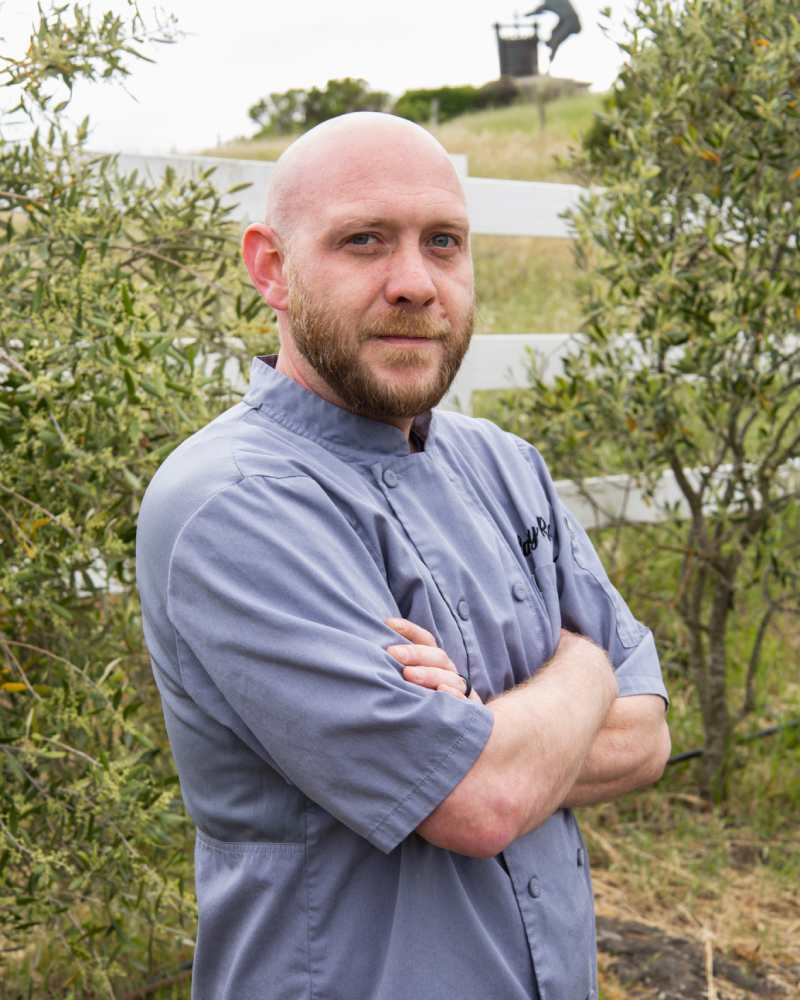
Going above and beyond for guests can also sometimes mean taking the time to visually show them something rather than verbalizing it. At Ember Steak, for example, Roy stumbled across some Japanese A-5 striploin and decided to run it as a simple special; nothing fancy, just in its natural form with a bit of sea salt. A guest in the dining room didn’t understand how the beef merited a substantially higher price tag in comparison to a prime-graded cut. “I had some unfabricated primal cuts of each and was able to show the guest a side-by-side comparison where they could see the difference in quality, marbling, diet, yield, etc,” he shares. “It’s very simple to verbally explain but to truly understand, you need to touch, smell, and compare with your senses rather than taking someone else’s word for it.”
“People are beginning to care about what they eat, how it’s prepared, where it came from, was it grass-fed or grain-fed… We are trying not just to tell guests these stories, but to show them,” he adds.
Become a dining destination
A common challenge for hotel restaurants is creating a unique identity and dining destination that can stand apart from the hotel. “It’s the difference between ‘I’m going to this restaurant for dinner’ instead of ‘I’m going to this hotel’s restaurant for dinner,’” says Roy. “By creating that solid identity, you can build a specific reputation that locals and visitors alike will treat as ‘destination dining,’ and they will typically go to further lengths to ensure they can experience it.”
At Ember Steak, he tries to cultivate the environment of a free-standing restaurant. “We like to compete with other restaurants within our company but also independent restaurants in the area through scores, reviews, check average, cover counts, and other metrics. It keeps the team on their toes, always striving to improve and excel.”
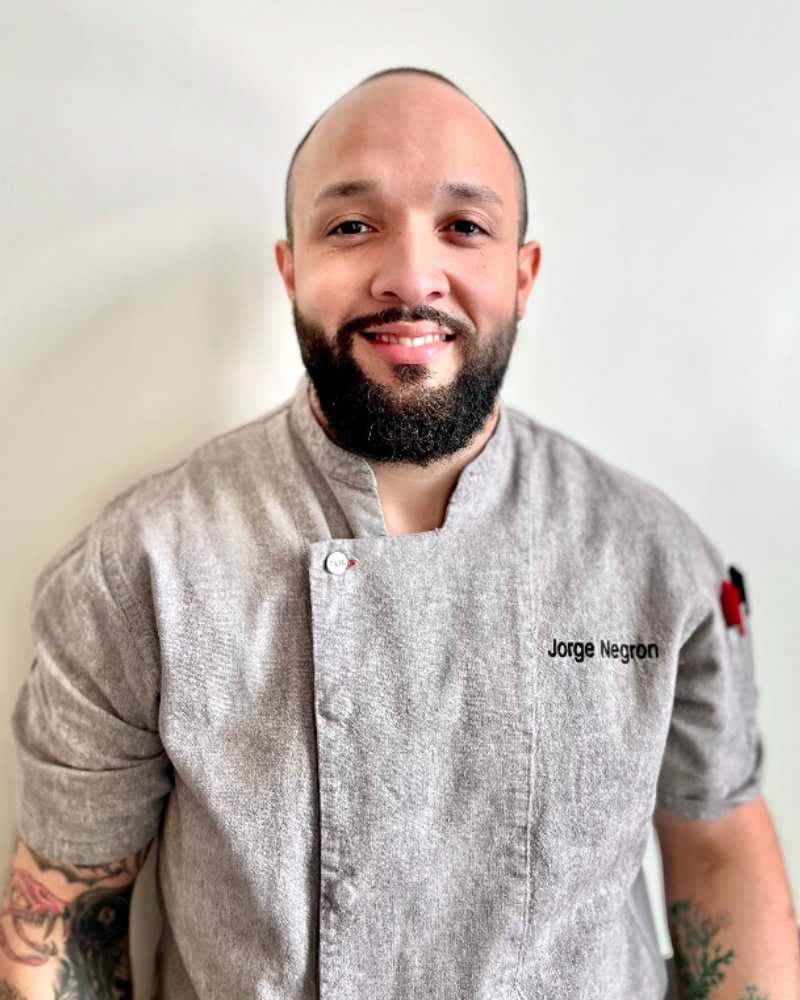
Jorge Negron, the newly appointed executive chef at South Florida’s award-winning boutique steakhouse located in the Diplomat Beach Resort, envisions Diplomat Prime becoming a “a beacon of culinary innovation and excellence. My goal is to push the boundaries of flavors while maintaining a strong commitment to quality and authenticity,” he says.
“In the coming years, I hope to see Diplomat Prime become a more widely known hub for creativity as well as a leader in gastronomic trends and sustainable practices,” he continues. “We are exploring new ways to integrate unique, locally sourced ingredients into our offerings, which I believe will set us apart and resonate with a broader audience.”
With four 4-Diamond Awards from AAA, Diplomat Prime is South Florida’s highest-rated steakhouse. One standout dish is the Curried Florida Corn Chowder, which became a guest favorite as soon as it was first introduced. The curry base is crafted in-house and draws inspiration from Balinese curry, but with a unique twist. It’s adapted using local Florida ingredients to create a more subtle and refined flavor profile, Negron shares.
“My culinary approach is unique in that I incorporate a variety of Puerto Rican (Caribbean) ingredients into my cooking, beyond the limitations of any specific cuisine,” Negron says. “My goal is to showcase the best qualities of these ingredients alongside South Florida flavors to deliver bold tastes that create memorable dining experiences; each bite offers something distinct and unique, avoiding repetition in every spoonful.”
Hugo Goodwin, executive chef of The Wild Sage at Jackson Hole’s iconic Rusty Parrot Lodge & Spa, prides himself on never doing the same thing twice. “I am incredibly proud of the Lamb & Greens on our current menu; it’s a beautiful representation of simple elegance,” he says. “We are sourcing lamb from Fall River Ranch and greens from Canewater Farm. The dish is a classic hearty Italian style braise (my mother is Italian) featuring Castelvetrano olives and aged Spanish chardonnay vinegar, which is then elevated with a rectangular pasta veil that is laminated with encased green herbs. The experience is that of an unveiling, tearing through the herbed pasta sheet to reveal the braise beneath it.”
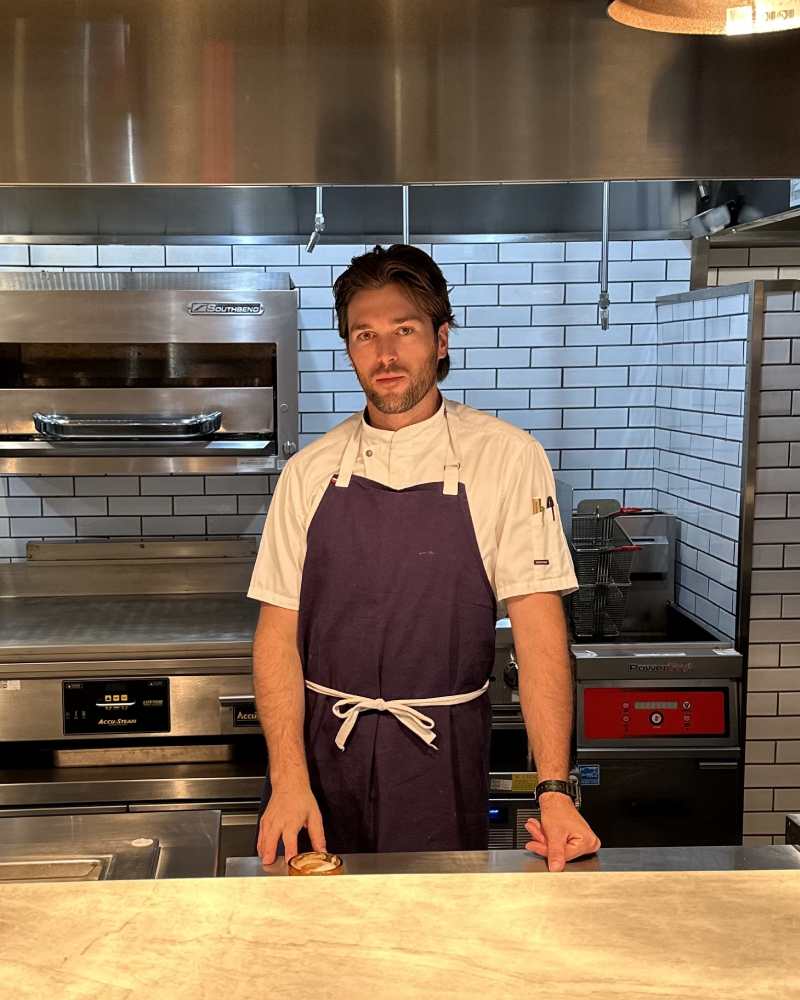
Goodwin has the unique challenge of reopening a restaurant that was a local institution after a five-year closure. Without ever having eaten at Wild Sage prior to its closure, Goodwin is tasked with how to remain true to what came before and please the diners that have been waiting patiently, while also taking note of new culinary trends and the many new locals of Jackson.
“I had to get curious, asking to see old menus, photos, and speaking with the staff members that were employed before 2019. They provided me the information needed to ascertain what the old space was like and remain true to the vibe, while also doing my own thing,” Goodwin explains. “I also met with as many farmers and producers as possible, so that I could find out what I could source locally and integrate into our menu.”
Classically trained, Goodwin is looking forward to the creative process of developing an ever-changing menu for The Wild Sage that is inspired by the season’s bounty. Offering an intimate atmosphere including outdoor seating and private dining space, Goodwin will also develop a curated cellar for the restaurant that focuses on low-intervention wines from new and old-world producers, to serve alongside unique dishes influenced by the natural surroundings of the Teton and Gros Ventre mountain ranges.
Engage your team and don’t lose sight of the magic
Chef Miguel Estrada was recently appointed to oversee the culinary programming at Canopy by Hilton Cancun La Isla’s two food and beverage concepts, Wander Rooftop and Azulinda Café & Bar. What excites Estrada the most is “creating dishes that tell a story or have a deeper meaning. I incorporate this trend into our menu by designing dishes that reflect our restaurant’s identity and heritage.”
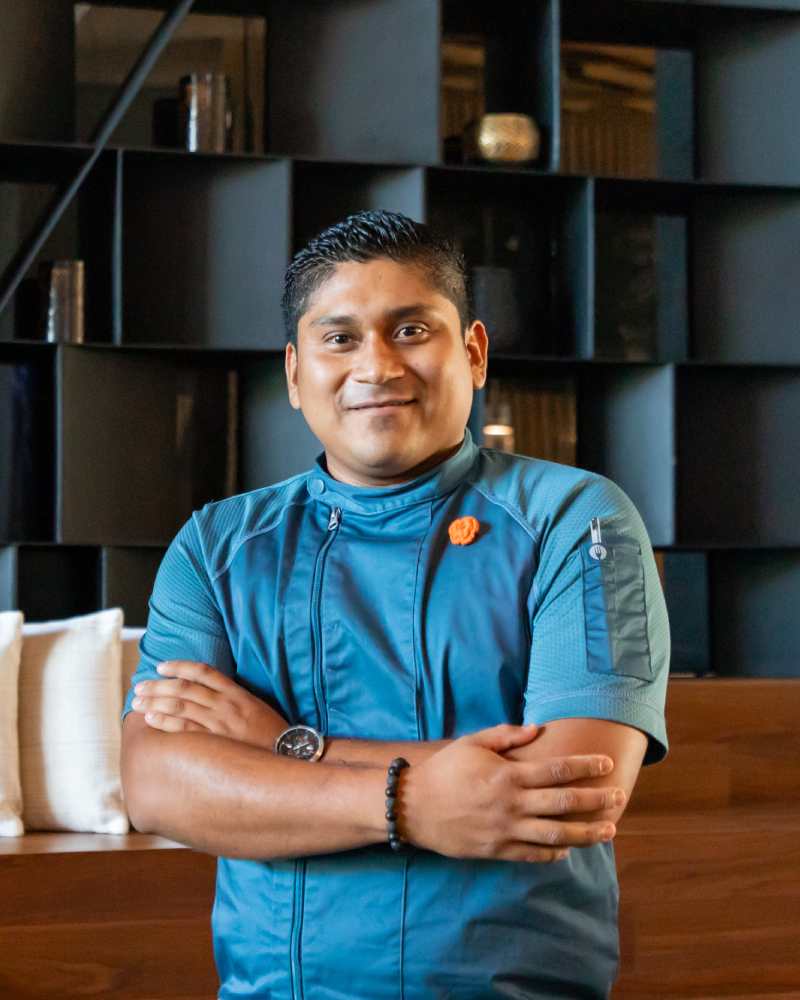
For example, the Rocca shrimp is a favorite among both hotel guests and locals with its bold flavors and presentation, and showcases Estrada’s expertise in oriental cuisine. “Staying in tune with guest feedback helps me adjust and improve our offerings,” he notes.
In addition to providing attentive service to make sure guests have excellent dining experiences, Estrada puts an emphasis on extending that hospitality to his team. He organizes outings to local restaurants to inspire and motivate his staff, and to keep them engaged. “By creating a supportive and collaborative work environment, I ensure that the team works well together, which helps in managing day-to-day operations smoothly,” he notes.
Goodwin agrees with Estrada, highlighting “It’s all about the people, and by that I mean both the diners and the team. Ask questions, be open to criticism, be kind, be gracious. Treat your team with respect, keep them invested and involved, make sure they feel heard and actively work towards their personal growth, even if it means losing them in the future.”
For aspiring chefs who are looking to excel in the luxury dining segment, particularly in a hotel or resort setting, Negron’s advice is to first ensure it’s truly what you want. “It’s not just about enduring the physical demands, but also about handling the broader challenges of this career. Once you’re confident, let your drive and passion guide you,” he says. “Always aim to do the right thing and strive for personal improvement—not just compared to your peers, but in relation to who you were yesterday. Don’t be discouraged if you don’t master something on your first try, and don’t shy away from repetitive tasks. Remember, persistence and repetition are essential to mastery.”
Roy says, “Mistakes are a positive thing. They help you grow and lead you to success. Mistakes teach you that the world is fluid and sporadic; not everything will go as planned and yet it doesn’t have to in order to lead to success. Stay loose.”
Cannon adds, “If you are up for the challenge, the restaurant/hotel industry can be for you. Everyone thinks that they have to go to culinary school to gain all the knowledge needed, but hands-on experience is much better in my opinion,” she says. “If you are thinking of training in any one position, talk to everyone … You’ll know when you’ve found your fit and which setting you’ll thrive in the most. Trust the process; it’s hard, long shifts and lack of sleep for sure but in the end, you’re making magic for your guests.”
*Editor’s note: This article was the cover feature for FSR’s November 2024 issue.